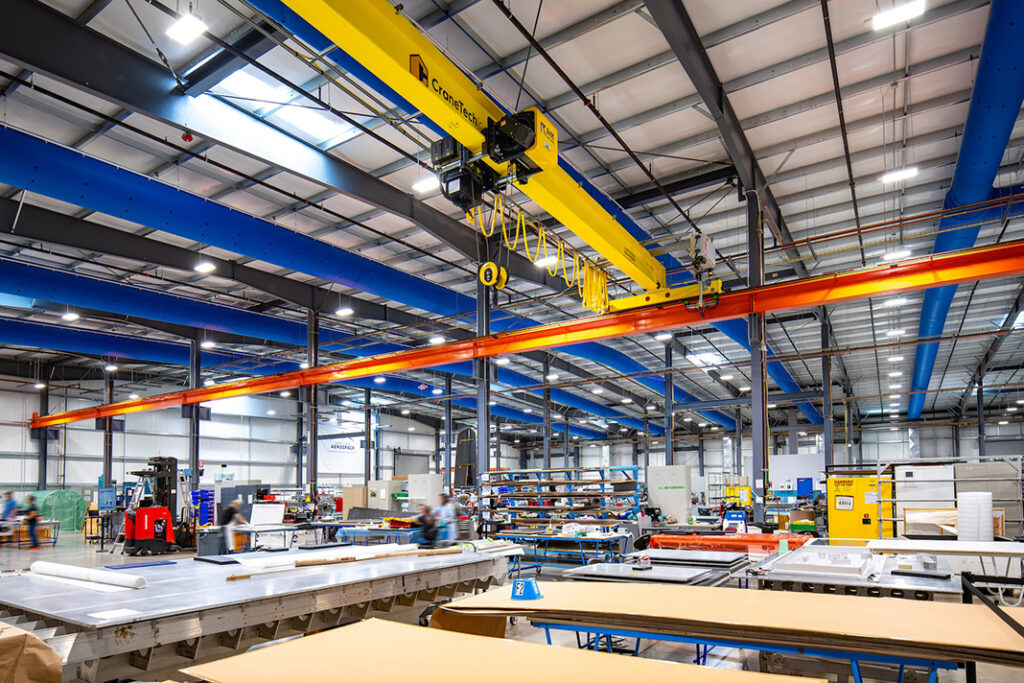
Custom metal stamping trends in 2026: trends, opportunities, and strategic direction.
As global manufacturing continues to evolve at an unprecedented pace, custom metal stamping remains a foundational process supporting a wide range of industries from automotive and electronics to renewable energy and aerospace. Looking ahead to 2026, the custom metal stamping industry is entering a period of transformation driven by automation, digitalization, sustainability requirements, and increasingly complex customer demands.
Rather than simply producing stamped parts at scale, modern metal stamping manufacturers are expected to offer precision, flexibility, speed, and valuable engineering support. This article explores the trend for custom metal stamping in 2026, examining market growth drivers, emerging technologies, application trends, sustainability initiatives, industry challenges, and strategic priorities for manufacturers.
The global metal stamping market continues to demonstrate stable and resilient growth, supported by demand from core manufacturing sectors. By 2026, the market is expected to maintain a moderate but consistent compound annual growth rate, driven primarily by:
While traditional high volume stamping remains important, custom metal stamping focused on custom designs, tight tolerances, and application specific requirements is gaining greater strategic importance. Customers are increasingly seeking suppliers who can support design collaboration, rapid prototyping, and flexible production volumes, rather than only mass production.
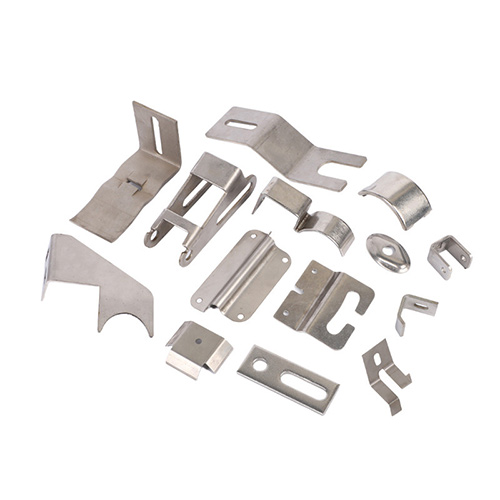
Automation and Smart Manufacturing
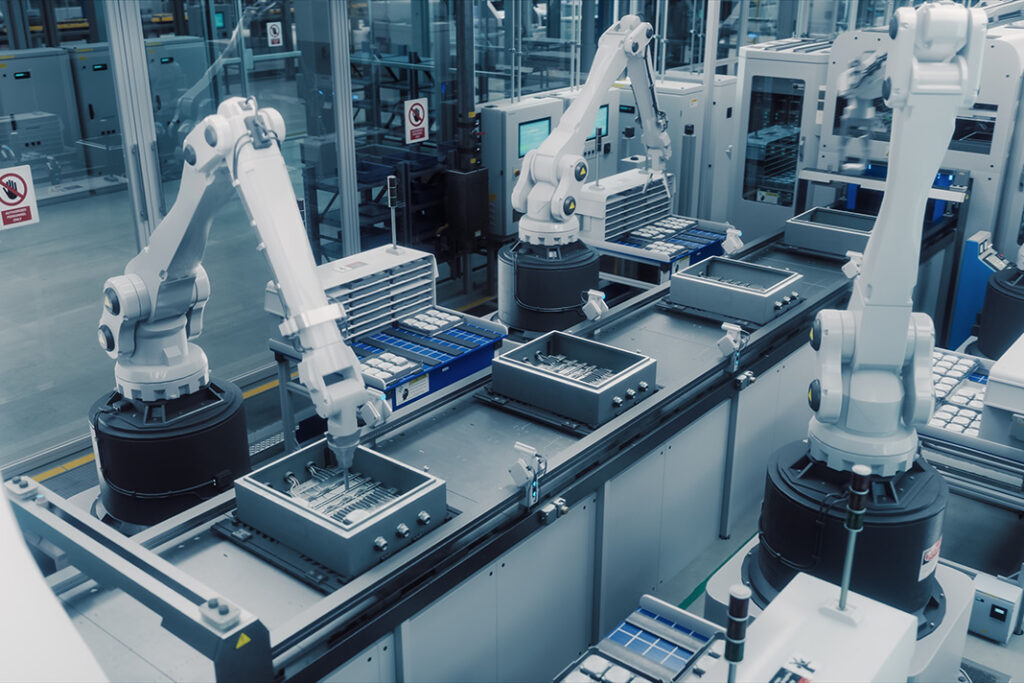
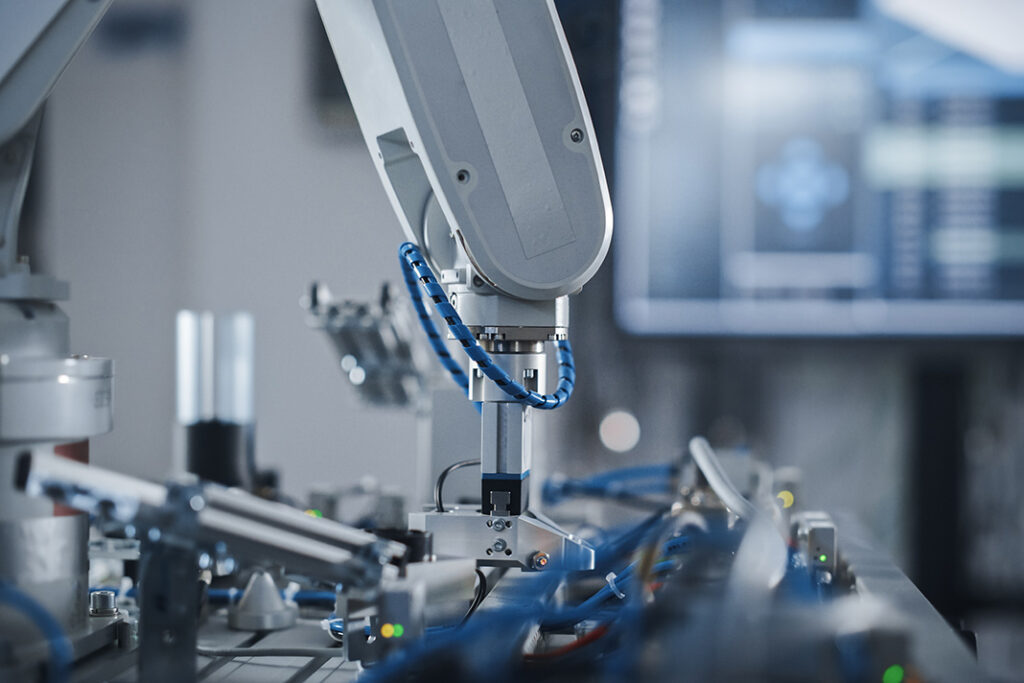
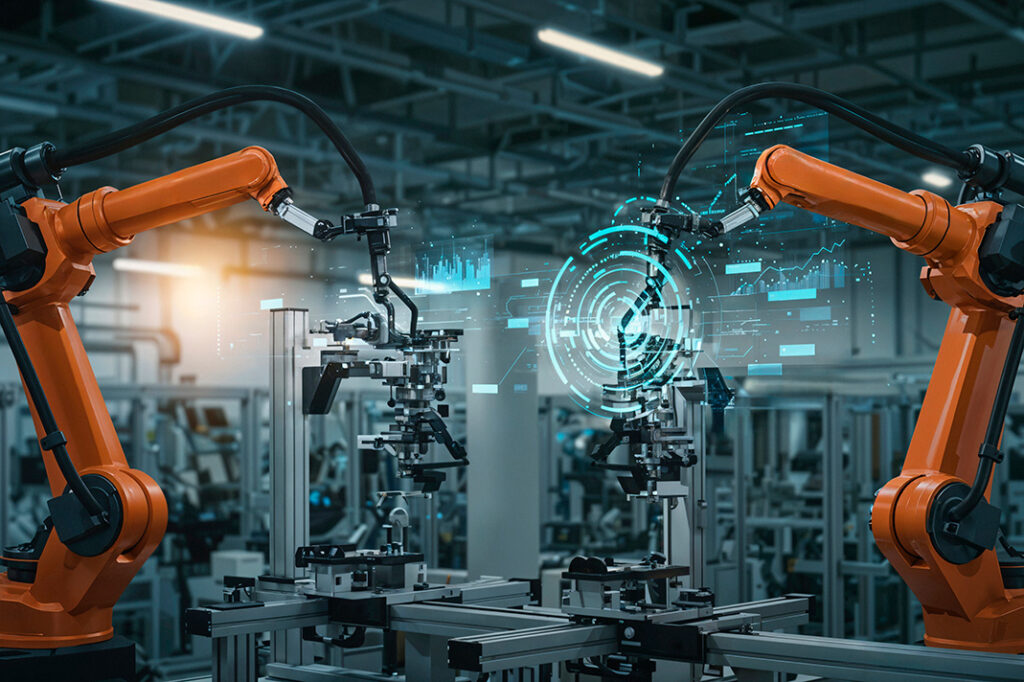
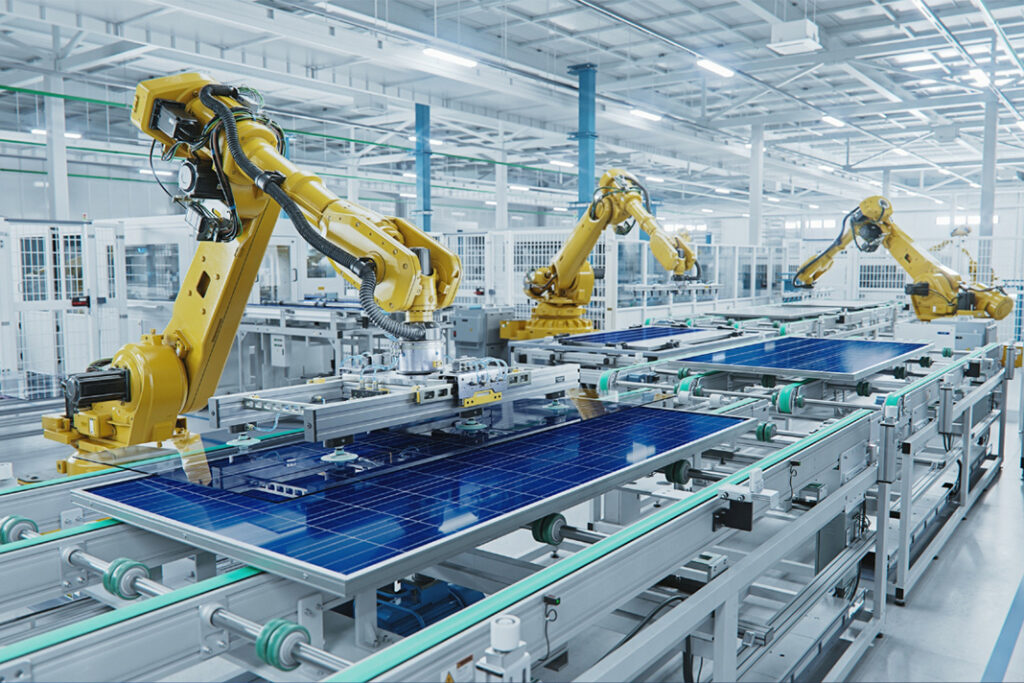
By 2026, automation will no longer be optional for competitive metal stamping operations. Robotic feeding systems, automated transfer lines, and in-line inspection technologies are becoming standard in advanced stamping facilities. Smart manufacturing systems integrated with MES and ERP platforms enable real-time monitoring of production performance, quality metrics, and equipment utilization.
These systems improve:
Digital Design and Simulation
Digital engineering tools are reshaping how custom stamped parts are developed. In 2026, customers increasingly expect stamping suppliers to provide design-for-manufacturability (DFM) input early in the project lifecycle.
Finite element analysis (FEA), forming simulation software, and digital twins allow engineers to:
AI and Predictive Maintenance
Artificial intelligence and machine learning are being applied to predictive maintenance and process optimization. By analyzing historical production data, AI systems can identify patterns that indicate tooling wear or machine failure, reducing unplanned downtime and extending equipment life.
Automotive and Electric Vehicles
The automotive sector remains the largest consumer of stamped metal components. Custom metal stamping plays a critical role in balancing strength, weight reduction, and cost efficiency.In 2026, growth is increasingly driven by electric vehicles, which require:
Consumer Electronics and Precision Devices
As electronic devices become thinner, lighter, and more compact, demand for micro-stamping and precision metal components continues to rise. Custom stamping suppliers capable of handling tight tolerances and complex geometries are particularly well positioned in this segment.
Typical applications include:
Renewable Energy and Infrastructure
Solar, wind, and energy storage systems rely on stamped metal components such as solar mounting roof hooks brackets, structural supports, and pipe fitting clamps. As renewable energy investment grows globally, custom metal stamping manufacturers benefit from long term, project based demand.
Industrial Equipment and Automation
Industrial machinery and automation systems require durable, application-specific metal components. Custom stamping offers a cost-effective solution for producing brackets, covers, reinforcement plates, and structural elements tailored to unique equipment designs.
Sustainability is a defining theme for manufacturing in 2026. Custom metal stamping has inherent advantages in this area, but expectations continue to rise.
Material Efficiency and Recycling
Stamping processes generate scrap that is highly recyclable. Many manufacturers are optimizing nesting and blank layouts to reduce material waste while maximizing yield.
Energy Efficient Equipment
Servo-driven presses and energy-efficient stamping systems significantly reduce electricity consumption compared to traditional mechanical or hydraulic presses. These upgrades help manufacturers lower operating costs and meet environmental targets.
ESG and Customer Requirements
More OEMs and global buyers now require suppliers to demonstrate compliance with environmental and social responsibility standards. Certifications such as ISO 14001 and transparent ESG reporting are becoming critical for long-term partnerships.
Despite positive market fundamentals, custom metal stamping manufacturers face several challenges:
Skilled Labor Shortages
A shortage of experienced toolmakers, process engineers, and maintenance technicians remains a global issue. Automation helps mitigate this challenge, but investment in training and workforce development remains essential.
Raw Material Price Volatility
Fluctuations in steel, aluminum, and specialty alloy prices can impact margins. Successful companies manage this risk through long term supplier relationships, diversified sourcing, and material-efficient design strategies.
Increasing Customer Expectations
Customers expect faster lead times, smaller batch sizes, higher quality standards, and more engineering support often simultaneously. This requires operational flexibility and strong project management capabilities.
The outlook for custom metal stamping in 2026 is both promising and demanding. While market growth remains steady, success increasingly depends on a manufacturer’s ability to adapt to technological change, sustainability requirements, and evolving customer expectations.
Companies that embrace automation, invest in digital engineering, prioritize quality and flexibility, and position themselves as solution-oriented partners will be best equipped to thrive in the next phase of industrial manufacturing. Custom metal stamping is no longer just about forming metal it is about precision, innovation, and long-term value creation.

Industry in Transition: The Forces Reshaping Manufacturing
As manufacturers offer more customization than ever before, managing product complexity has become a critical challenge. Tune in with Dan Joe Barry, Vice President of Product Marketing at Configit, who explores how companies are tackling the growing number of product configurations across engineering, sales, manufacturing, and service. He explains how Configuration Lifecycle Management (CLM) helps organizations maintain a single source of truth for configuration data. The result: fewer errors, faster quoting, and the ability to deliver customized products at scale.
Get In Touch
Google news and SEO compliant, Industry Today’s state-of-the-art digital media platform offers bespoke media campaigns that target key decision makers and buyers to achieve your marketing and promotional goals.

Contribute
Showcase your brand and promote your business to our highly targeted audience. We offer detailed Google Analytics with measurable ROI to assure success. Submit your content for review by our Editorial team who will contact you to discuss the project further.
About Us
Reach Your Targeted Audience and Grow Your Business. Learn more About Industry Today.
Contact Us

© 2026 Industry today. All Rights reserved.