The US needs to move to some sustainable ways to tackle climate change and other relevant issues.
The environment has a vital role in the sustainability of life on earth. All living things on the planet depend on a clean and healthy environment for enhanced survival opportunities. However, we are facing a significant fall in the environment quality, which needs great attention. The USA is the third-largest nation with a total area of 9,161,966 sq km. US citizens follow a high standard of living, but it is affecting the environment. The USA is in second place in CO2 emissions. Moreover, per capita emissions in the USA are very high at 16.49 tons.
Apart from the CO2 emissions, the USA is facing soil pollution, air pollution, water pollution, garbage disposal, global warming, deforestation, acidification of ocean water, ozone layer depletion, radioactive contamination, mine pollution, overpopulation, and nano pollution. All these environmental issues are resulting in serious health issues. According to research, 46% of deaths in the United States are because of heart disease and cancer. The USA needs to work on these environmental issues to avoid severe future outcomes in terms of the worst weather and degrading the health level of the citizens. The country should move to some sustainable ways to tackle climate change and other relevant issues. For detailed information about the environmental problems faced by the Americans, view the infographic.


Forging the Next 250 Years: Powering the Next Era of American Manufacturing
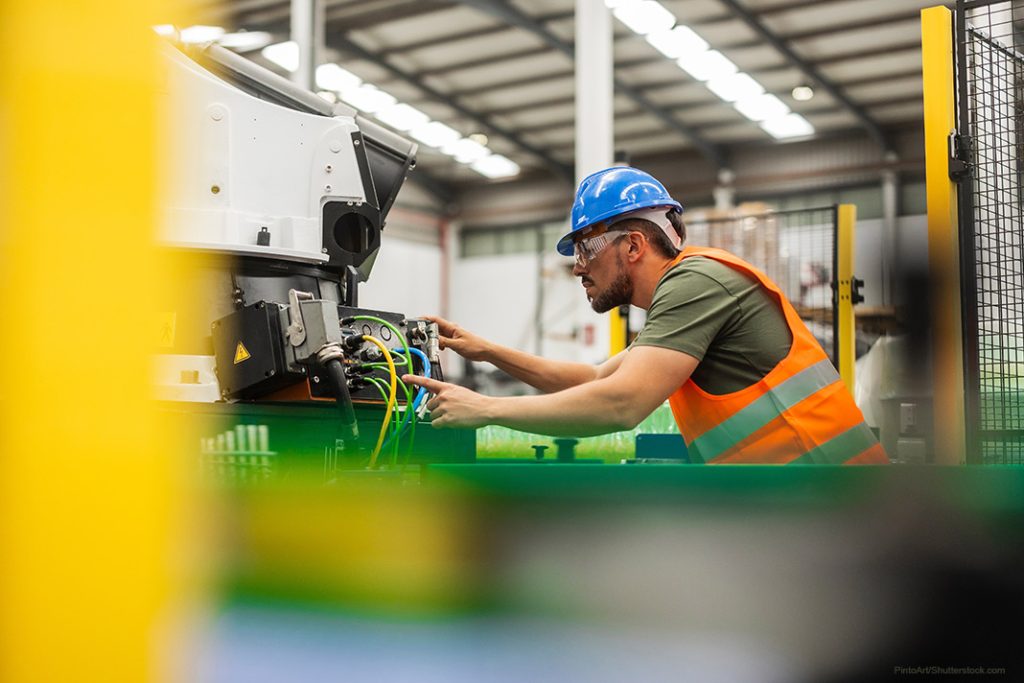
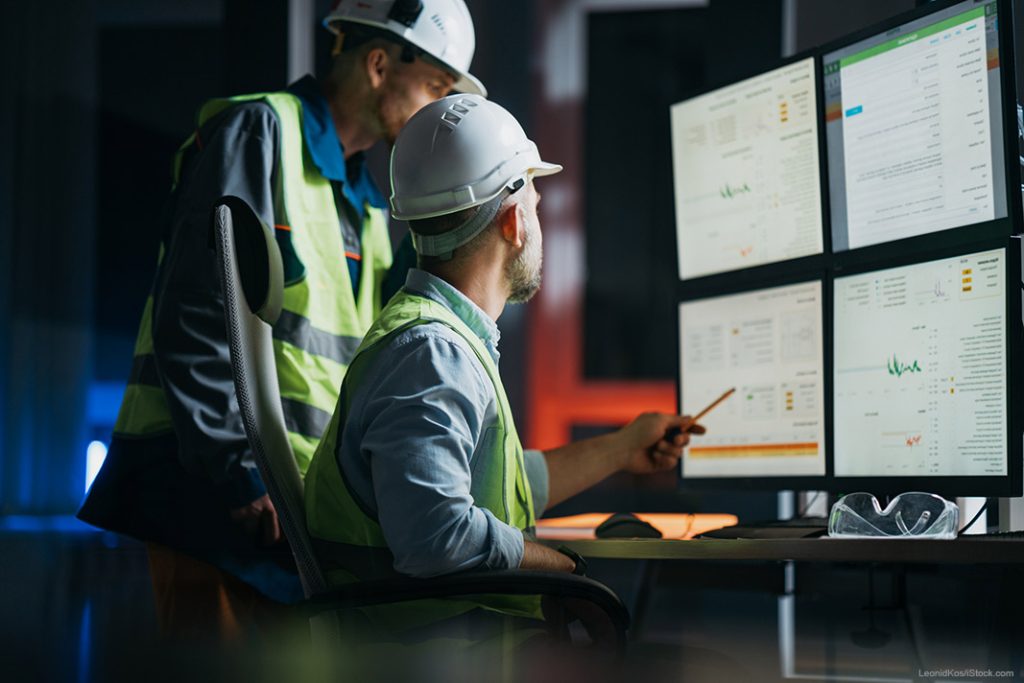
In this episode of Industry Insights, Ricky Watts, General Manager, Industrial and Robotics Division at Intel Corporation, explains why the Industry 4.0 groundwork manufacturers have been laying for years is now the foundation for AI at scale. He describes how IT and OT systems are finally coming together, and how agentic AI can pull data from the plant floor, the supply chain and the C-suite to find out why a production line is underperforming. Watts also covers why chips have become strategic infrastructure, the rise of physical AI and robotics in harsh industrial settings, and the skills tomorrow’s workforce will need. He finishes with a layered approach to cybersecurity in software-defined plants.
Get In Touch
Google news and SEO compliant, Industry Today’s state-of-the-art digital media platform offers bespoke media campaigns that target key decision makers and buyers to achieve your marketing and promotional goals.

Contribute
Showcase your brand and promote your business to our highly targeted audience. We offer detailed Google Analytics with measurable ROI to assure success. Submit your content for review by our Editorial team who will contact you to discuss the project further.
About Us
Reach Your Targeted Audience and Grow Your Business. Learn more About Industry Today.
Contact Us

© 2026 Industry today. All Rights reserved.