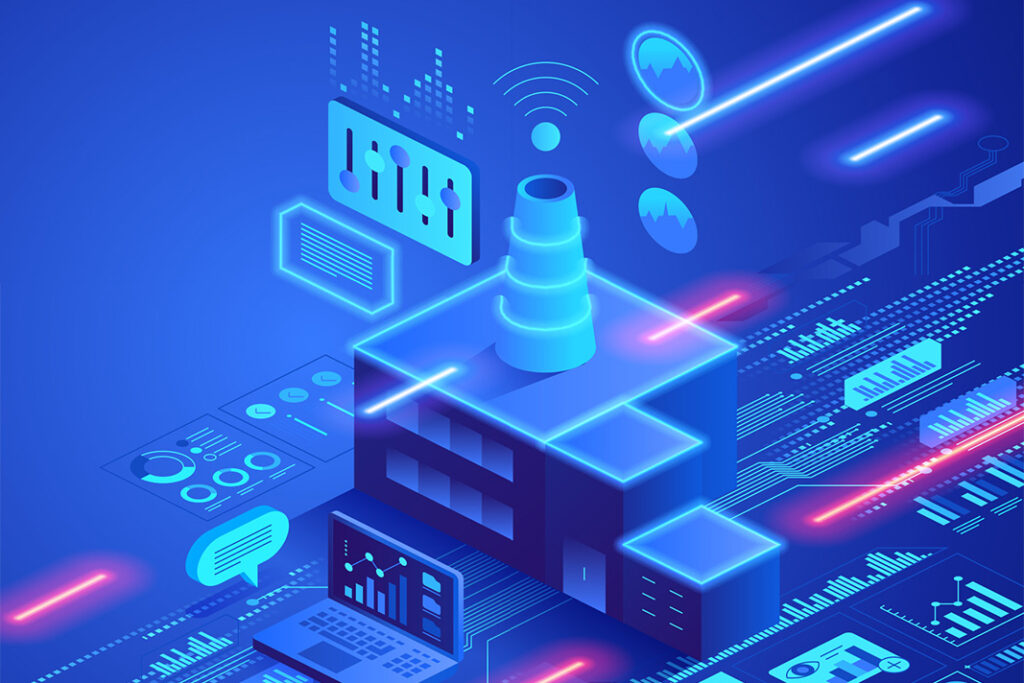
Shorter runs. Faster changes. UV printing brings control and consistency to shifting production demands.
By Lon Riley, DPI Laboratory
Shorter runs and frequent design changes are now part of everyday manufacturing. UV printing is helping production teams adapt without slowing work down.
Manufacturing once rewarded consistency. Long runs, locked artwork, and stable processes made scheduling easier and costs more predictable. For many manufacturers, that environment has changed.
Today, production teams are expected to manage shorter runs, more frequent artwork updates, and tighter delivery windows, often without additional staff or budget. Product lifecycles continue to shrink. Branding changes arrive midstream. Regulatory updates force last-minute revisions. Customers expect speed, but they still expect reliability.
Many manufacturers are already adapting to this shift, often without fully recognizing how much their production models have changed.
Flexibility is no longer a differentiator. It is a requirement.
The challenge is that many factories are still built around systems designed for stability, not constant change.
Traditional decoration and marking methods work well when designs stay the same. Tooling, plates, screens, and dedicated fixtures all reward repetition.
Once variability enters the equation, those same systems begin to work against production.
A design update can trigger new tooling, production downtime, added handling, or rescheduling jobs already in progress. These issues rarely appear as a single failure. They accumulate quietly. Small jobs get delayed. Short runs get outsourced. Design teams are asked to finalize artwork earlier than they should.
A late branding change may delay a shipment by less than a day, which seems minor. On the floor, however, it can force a line to stop, push several jobs out of sequence, and leave crews waiting on a setup that no longer matches the files. In this basic scenario, the cost was not the change itself. It was the disruption it caused everywhere else.
Over time, that kind of friction becomes normal. Production teams spend more time managing exceptions than moving product.

Flexibility sounds abstract until it shows up in daily operations.
On the factory floor, flexibility means being able to run different SKUs in the same shift without disruption. It means accepting artwork changes without resetting equipment. It means keeping output predictable even as the job mix changes. It means handling short runs without penalty.
Flexibility is not defined by speed alone. It is defined by flow. A fast machine that requires constant setup will slow production more than a stable system that integrates smoothly into daily work.
For many manufacturers, the turning point is not speed or print quality. It is predictability. Can the system deliver consistent results across different jobs, different operators, and different shifts without constant intervention? When the answer is yes, flexibility becomes manageable instead of stressful.
UV printing introduces a digital approach to product decoration that removes several constraints tied to traditional methods.
By printing directly onto parts or surfaces and curing ink instantly, UV systems eliminate the need for plates, screens, or dies. Changing artwork becomes a software decision rather than a mechanical one. The same platform can handle multiple designs, materials, and quantities without retooling.
When implemented properly, UV printing becomes a standard production step rather than a special process reserved for select jobs.
As run sizes shrink, the challenge is no longer printing a single job efficiently. It is moving through many jobs efficiently.
This is where workflow matters more than peak speed specifications. Digital job queues, stored job settings, consistent color management, and fast transition between jobs allow teams to move confidently from one order to the next.
In practice, manufacturers that handle variability well tend to standardize how work flows through production, even when the jobs themselves are different. The technology matters, but the discipline around how it is used matters just as much.
Operators spend less time preparing equipment and more time producing parts. Errors decrease because processes are consistent instead of improvised.
Operational flexibility has a direct impact on revenue.
Rigid production systems force manufacturers to say no more often. No to small orders. No to late changes. No to tight timelines. Each refusal represents lost opportunity or added strain on customer relationships.
Flexible production environments allow teams to say yes without sacrificing margins. Short runs become practical. Customization becomes manageable. Less work needs to be outsourced because it can be handled internally without delays.
Over time, responsiveness becomes part of how customers experience the business.
UV printing is not meant to replace every production process.
Although production UV print systems are capable of long, consistent production runs, its value increases where variability is part of the work. Products with frequent design changes. Short runs. Mixed SKUs. Labeling and decoration that must remain consistent across variations.
For many teams, the goal is not to change everything at once, but to relieve pressure in the parts of production where variability causes the most disruption.
In many factories, UV printing works best alongside existing methods. High-volume, fixed designs remain with traditional processes, while variable work shifts to digital platforms. This hybrid approach adds flexibility without disrupting proven workflows.
Technology alone does not create flexibility. Systems do.
Manufacturers that succeed with change treat flexibility as a process decision, not a purchasing decision. They look at how jobs enter production, how operators interact with equipment, how consistency is maintained across shifts, and how exceptions are handled when plans change.
Evaluating UV printing requires looking beyond demonstrations and sample output. The real test is how the system performs during a normal production day, under real pressure, with real files and real priorities. When technology fits the way work actually happens, flexibility becomes reliable instead of reactive.
Shorter runs and faster design cycles are not temporary conditions. They reflect lasting changes in how products are designed, sold, and delivered.
Factories that adapt their production systems to this reality gain more than efficiency. They gain confidence. Teams spend less time managing friction and more time moving work forward. Decisions become easier because processes are built to absorb change rather than resist it.
UV printing is one tool that supports this shift when it is integrated thoughtfully and evaluated as part of the overall production system. The goal is not to chase every new capability, but to build operations that can respond when requirements change.
Flexibility, done right, becomes less about keeping up and more about staying in control.

About the Author
Lon Riley is the founder of DPI Laboratory, a digital print innovation company focused on UV printing systems, inks, coatings, and workflow solutions designed for real-world production environments. www.dpi-lab.com
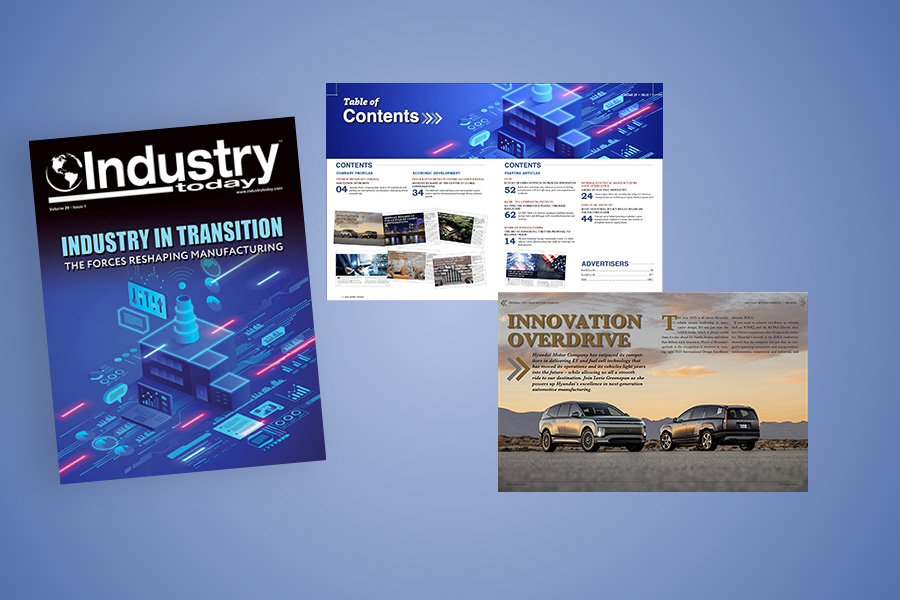
Industry in Transition: The Forces Reshaping Manufacturing
As manufacturers offer more customization than ever before, managing product complexity has become a critical challenge. Tune in with Dan Joe Barry, Vice President of Product Marketing at Configit, who explores how companies are tackling the growing number of product configurations across engineering, sales, manufacturing, and service. He explains how Configuration Lifecycle Management (CLM) helps organizations maintain a single source of truth for configuration data. The result: fewer errors, faster quoting, and the ability to deliver customized products at scale.
Get In Touch
Google news and SEO compliant, Industry Today’s state-of-the-art digital media platform offers bespoke media campaigns that target key decision makers and buyers to achieve your marketing and promotional goals.

Contribute
Showcase your brand and promote your business to our highly targeted audience. We offer detailed Google Analytics with measurable ROI to assure success. Submit your content for review by our Editorial team who will contact you to discuss the project further.
About Us
Reach Your Targeted Audience and Grow Your Business. Learn more About Industry Today.
Contact Us

© 2026 Industry today. All Rights reserved.