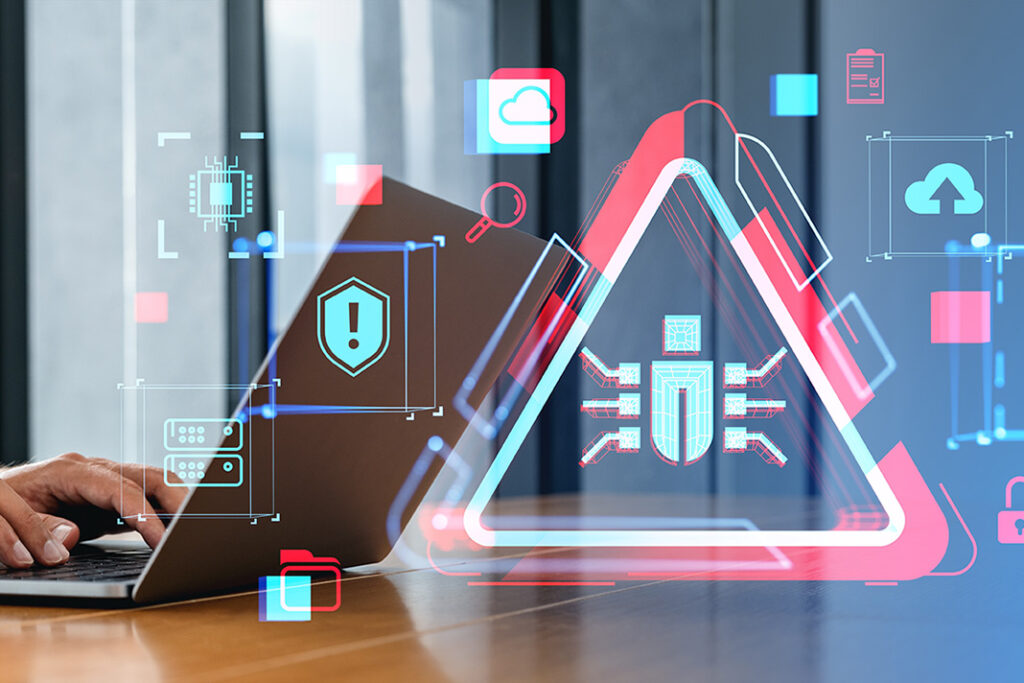
India’s SMEs face rising environmental compliance pressure. Digital workflows can reduce shutdowns, risk, delays and cost across industries.

By Harshal T Gajare
When India accelerated industrial growth under programs like Make in India and Atmanirbhar Bharat, it sparked a powerful rise in manufacturing capacity. But alongside production, something else has grown quickly – regulatory pressure.
Environmental compliance is no longer a back-office function. It is now a strategic business priority that directly affects licenses, worker safety, community relations, brand reputation, exports, and investor trust.
Yet, Indian SMEs – the backbone of our manufacturing sector – continue to struggle.
Through years of industrial operations and environmental audits across Maharashtra and other states, three systemic problems repeat:
1️ Too many approvals, too little clarity
Consent to Establish, Consent to Operate, waste handling authorizations, annual returns, EPR rules, monitoring data – the regulatory maze is hard to interpret and track.
Even experienced EHS managers find it difficult to stay updated with frequent rule changes issued by pollution control boards.
2️ Manual processes create operational risk
Most factories still rely on:
This results in:
A single missed renewal can lead to shutdown notices, which impact production schedules worth crores.
3️ Compliance knowledge is dependent on individuals
When one experienced person leaves → the system breaks.
Compliance fails silently… until enforcement action arrives.
Small lapses lead to big consequences:

India currently sees hundreds of industrial notices issued every month, many due to avoidable process failures.
Just as GST brought transparency to taxation, digital compliance can bring accountability to industrial safety and environmental protection.
A digital workflow system can:
✔ Track every consent, deadline, task
✔ Retain evidence and version history
✔ Send early reminders
✔ Enable role-based responsibility
✔ Maintain compliance continuity despite attrition
✔ Provide real-time visibility to leadership
✔ Automate reporting and documentation
This level of predictability and traceability builds trust with regulators – and reduces fear of inspection.
Compliance has traditionally been viewed as:
paperwork + approvals + fear of notices
The future reframes it as:
data + risk visibility + continuous improvement
Indian manufacturing competitiveness now depends on:
Whether a small plating unit or a pharma facility with multiple stacks – compliance maturity influences market access, especially when working with global brands under strict carbon and safety disclosures.
Regulatory bodies like CPCB and SPCBs are upgrading systems:
But unless industry systems also digitize, data gaps will persist.
This is why compliance transformation must start inside the factory gates – before enforcement reaches the doorstep.
Business leaders are now asking:
“What is the cost of missing compliance?”
instead of
“What is the cost of complying?”
SMEs that digitize early gain:
✔ Fewer disruptions
✔ Stronger contracts
✔ Export opportunities
✔ Respect from authorities
✔ Safer workplaces
Compliance moves from burden → competitive advantage.
A phased approach works best:
With structured data, India can prevent environmental tragedies instead of reacting to them.
Environmental compliance is not only about regulations.
It’s about:
The next decade of Indian manufacturing will be defined by how fast SMEs embrace digital compliance.
Factories that digitize will lead.
Factories that delay will struggle.
And it starts with digital.
About the Author:
Harshal T Gajare is Founder & CEO at EHSSaral – Environmental Compliance Platform. Driving digital transformation in India’s industrial compliance ecosystem.
The Rise of American Manufacturing: A New Industrial Era
As manufacturers offer more customization than ever before, managing product complexity has become a critical challenge. Tune in with Dan Joe Barry, Vice President of Product Marketing at Configit, who explores how companies are tackling the growing number of product configurations across engineering, sales, manufacturing, and service. He explains how Configuration Lifecycle Management (CLM) helps organizations maintain a single source of truth for configuration data. The result: fewer errors, faster quoting, and the ability to deliver customized products at scale.
Get In Touch
Google news and SEO compliant, Industry Today’s state-of-the-art digital media platform offers bespoke media campaigns that target key decision makers and buyers to achieve your marketing and promotional goals.

Contribute
Showcase your brand and promote your business to our highly targeted audience. We offer detailed Google Analytics with measurable ROI to assure success. Submit your content for review by our Editorial team who will contact you to discuss the project further.
About Us
Reach Your Targeted Audience and Grow Your Business. Learn more About Industry Today.
Contact Us

© 2026 Industry today. All Rights reserved.