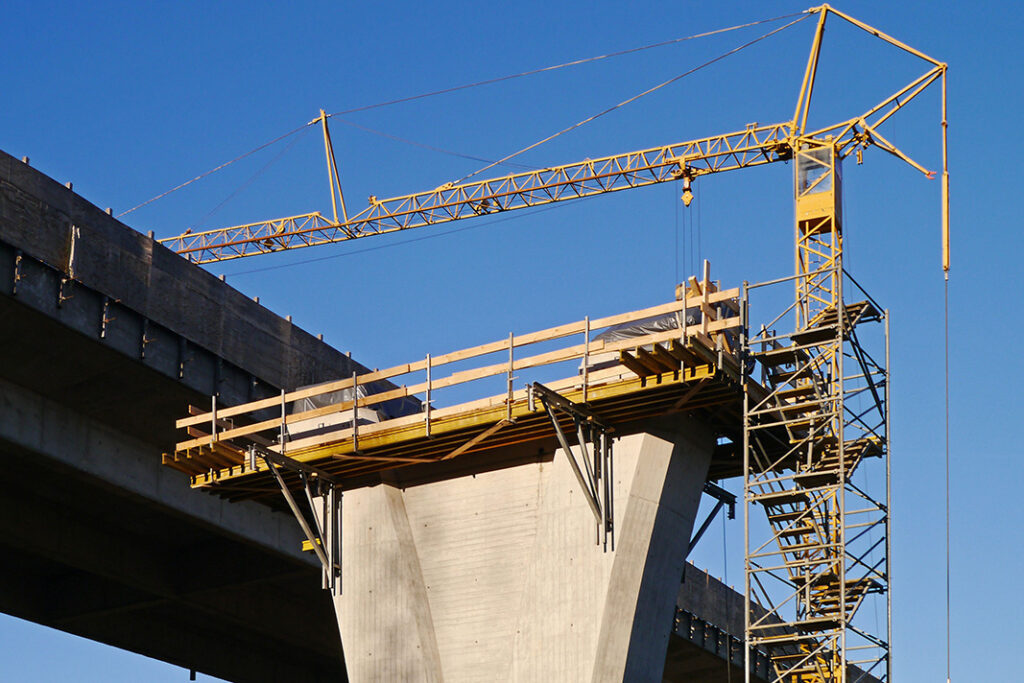
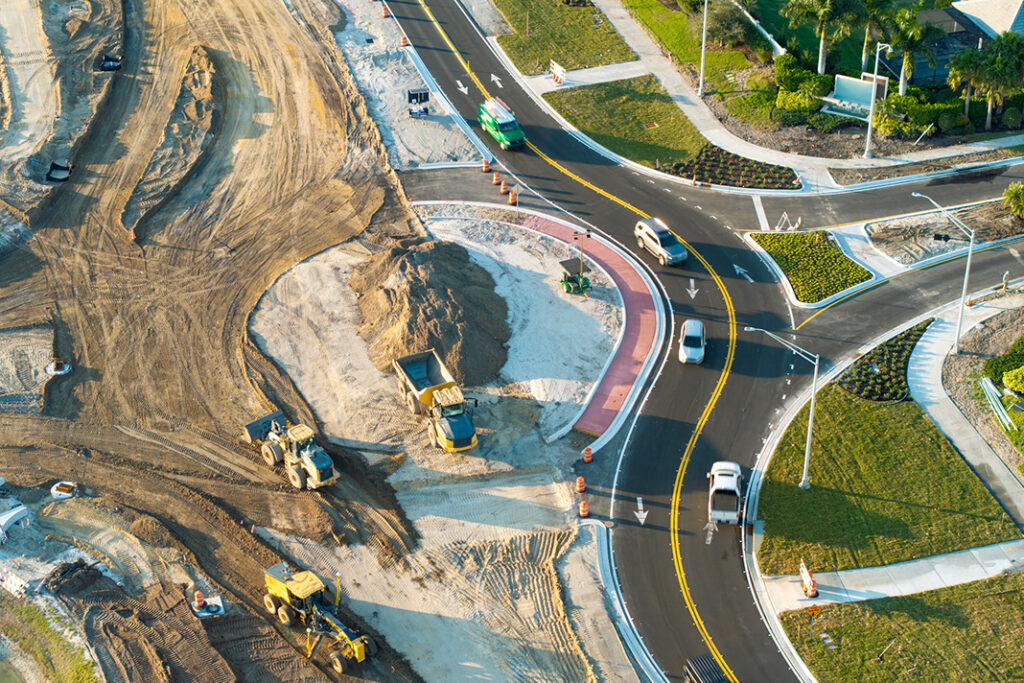
Many people just consider asphalt for roads and parking lots. This material actually plays a much larger role in modern society.
Asphalt is often perceived merely as a ubiquitous element in our urban environments – gracing roads, rooftops, and parking lots. Yet, its real significance and the benefits it brings to our society often remain unexplored and underappreciated. From enhancing infrastructure efficiency to providing employment in construction, asphalt plays a pivotal role in our daily lives.
Asphalt serves as the preferred choice for 90% of parking lots across the United States, according to industry insights, due to its resilience and cost-effectiveness. Its ability to withstand heavy traffic and endure various weather conditions makes it an invaluable component of urban infrastructure. The material’s adaptability ensures that our cities remain functional and accessible under diverse environmental circumstances.
This material is not only robust but also allows for quick and efficient construction, reducing downtime and disruptions in highly populated areas. The ease of maintenance and repair of asphalt surfaces further contributes to its economic benefits, minimizing long-term expenditures for municipalities and private entities alike. Asphalt offers an efficient solution for high-traffic areas, supporting commerce and connectivity.
Beyond its practical advantages, asphalt plays a crucial role in sustainable construction practices. Its recyclable nature means that old asphalt can be reused, reducing the need for new raw materials and minimizing waste. This characteristic aligns perfectly with modern sustainable urban planning objectives, underscoring asphalt’s importance beyond conventional use.
The asphalt industry significantly contributes to the economy, supporting over 128,000 paving contractors in the mid-2020s. These professionals help maintain the safety and efficiency of our roadways, parking lots, and other critical infrastructure. Ensuring reliable surfaces for transport contributes to economic stability and growth, impacting numerous sectors including retail, logistics, and public services.
Job creation within this industry extends beyond the contractors themselves, enveloping roles in manufacturing, distribution, and recycling of asphalt materials. The industry’s extensive supply chain supports thousands, providing ample opportunities for skilled and unskilled labor alike. This broadens economic opportunities, serving as a lifeline for communities across the nation.
Furthermore, the use of asphalt is characterized by its economic efficiency due to its long lifespan and minimal maintenance needs. With roads and surfaces enduring for extended periods before requiring replacement or significant repair, asphalt supports budget-friendly construction management. This cost-effective cycle allows fiscal resources to be allocated more effectively within public and private sector budgets.
Asphalt’s durability is well demonstrated in the field of roofing, where it is commonly used due to its reliable lifespan of 15 to 30 years. This durability saves homeowners from frequent roof repairs, offering long-term protection from weather damage. As a result, asphalt has become a go-to option for construction professionals aiming to deliver reliable and lasting structures.
The construction industry values asphalt for its adaptability and strength, providing a dependable material for various applications. Whether used on roofs or roads, asphalt endures the test of time, minimizing the need for re-construction or overhaul. Its ease of integration with other materials in construction projects further enhances its utility and is a testament to its role in modern building practices.
In addition to functionality, asphalt also offers an aesthetic edge with its sleek, uniform black finish. This adds an element of visual continuity in urban designs, appealing to architects and city planners. As cities continue to grow and evolve, the robustness and style of asphalt ensure that our urban landscapes remain cohesive and efficient.
From supporting vital economic sectors to offering resilience and sustainability, asphalt’s advantages permeate through various aspects of society. As our cities continue to expand, the need for durable and cost-effective materials like asphalt will become increasingly indispensable. Understanding the hidden benefits of asphalt prompts a greater appreciation for this often-overlooked material and underscores the intricate web of benefits it provides in urban living and construction.

Industry in Transition: The Forces Reshaping Manufacturing
As manufacturers offer more customization than ever before, managing product complexity has become a critical challenge. Tune in with Dan Joe Barry, Vice President of Product Marketing at Configit, who explores how companies are tackling the growing number of product configurations across engineering, sales, manufacturing, and service. He explains how Configuration Lifecycle Management (CLM) helps organizations maintain a single source of truth for configuration data. The result: fewer errors, faster quoting, and the ability to deliver customized products at scale.
Get In Touch
Google news and SEO compliant, Industry Today’s state-of-the-art digital media platform offers bespoke media campaigns that target key decision makers and buyers to achieve your marketing and promotional goals.

Contribute
Showcase your brand and promote your business to our highly targeted audience. We offer detailed Google Analytics with measurable ROI to assure success. Submit your content for review by our Editorial team who will contact you to discuss the project further.
About Us
Reach Your Targeted Audience and Grow Your Business. Learn more About Industry Today.
Contact Us

© 2026 Industry today. All Rights reserved.