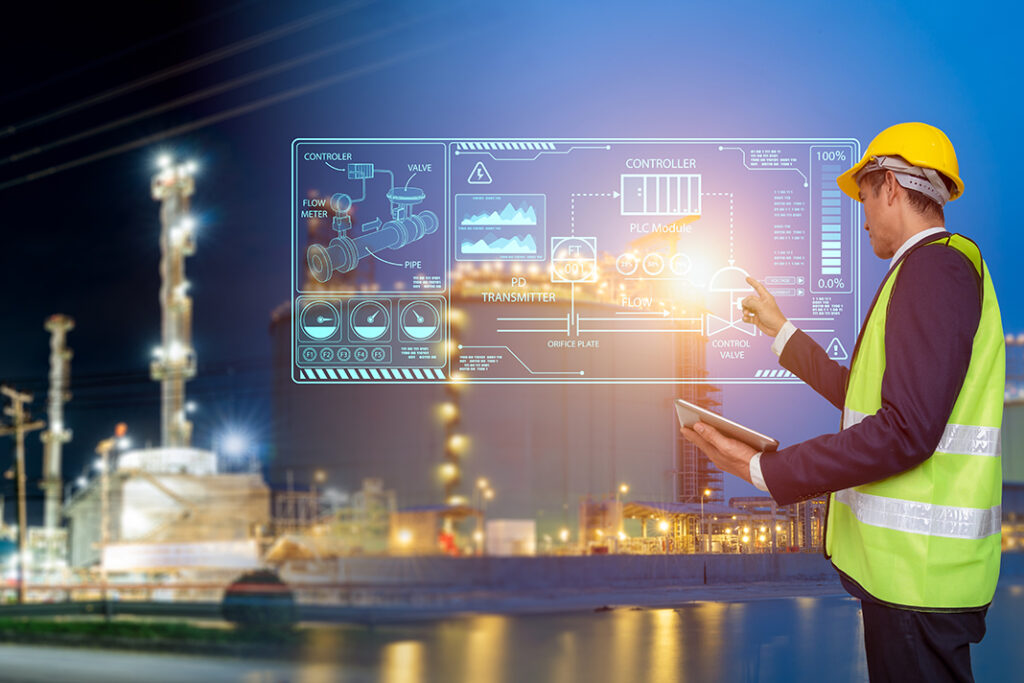
A review of why flow measurement devices are so important in modern industrial systems.
In industrial processing, knowing exactly how much liquid or gas is moving through a system is critical. Whether the application involves water treatment, chemical dosing, oil circulation, food production, compressed air, or slurry transfer, accurate flow data helps operators maintain control, improve efficiency, and protect equipment. That is why flow measurement devices are such an important part of modern industrial systems.
Flow measurement supports more than simple monitoring. In many facilities, it directly affects product quality, process consistency, energy use, and maintenance planning. If flow is too low, a system may underperform or fail to deliver the required output. If flow is too high, operators may waste product, overload downstream equipment, or lose control over dosing and mixing. In many applications, flow data becomes one of the most valuable operating inputs in the entire process.
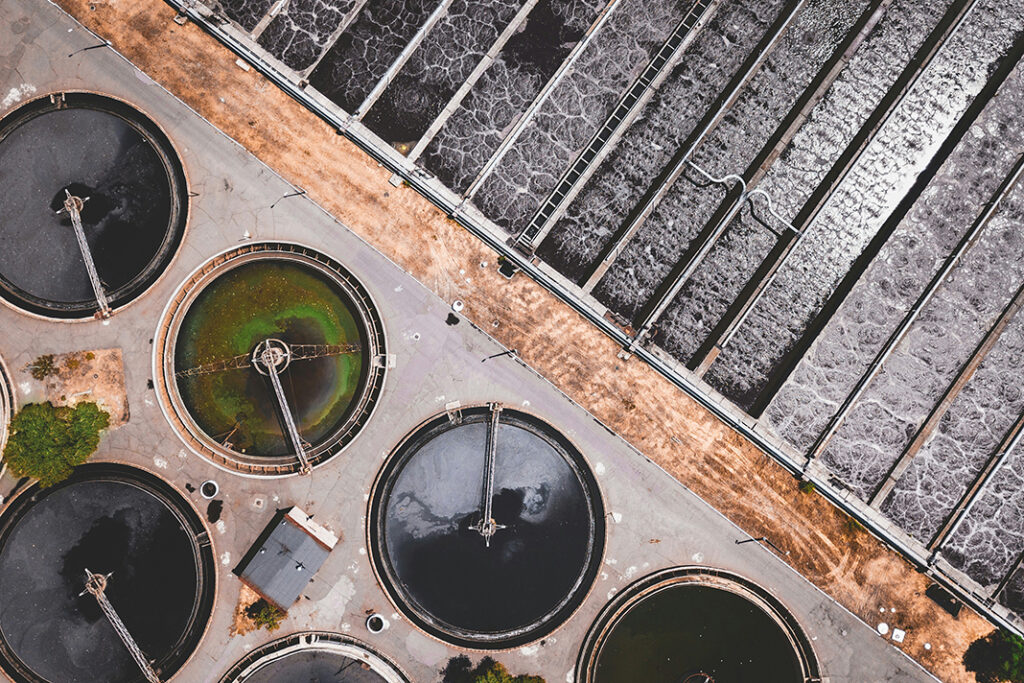
Different industries rely on flow measurement for different reasons. In water and wastewater systems, it helps track consumption, treatment rates, and pump performance. In chemical systems, it supports accurate batching and dosing. In lubrication, fuel, and hydraulic systems, it helps confirm that equipment is receiving the right amount of fluid. In food and beverage manufacturing, it supports consistency and traceability. In compressed air and gas applications, it can be used to monitor usage, detect leaks, and improve efficiency.
The important point is that no single type of flow meter is ideal for every application. The right technology depends on the fluid, temperature, pressure, viscosity, cleanliness, pipe size, and required accuracy. Some meters are better suited to clean liquids, while others are designed for viscous fluids, harsh chemicals, gases, or abrasive media. Choosing the wrong meter can lead to unreliable readings, excessive pressure drop, premature wear, or high maintenance requirements.
This is why engineers often begin by understanding the basic purpose of flow measurement before narrowing down specific technologies. Some systems need very high accuracy for dosing or custody transfer. Others need a rugged inline meter that can survive difficult operating conditions. Some applications need pulse output for automation, while others require analog signals, digital communication, or simple local display. The intended function matters just as much as the media itself.
Flow meter selection also affects long-term operating cost. A low-cost meter that is not well matched to the application may require frequent cleaning, recalibration, or replacement. A properly selected meter, on the other hand, can improve process stability and reduce maintenance over time. That is especially important in industrial environments where downtime is expensive and instrumentation reliability matters.
Another key factor is installation. Even a good flow meter can perform poorly if it is placed in the wrong location or installed without enough straight pipe, proper grounding, or suitable process conditions. Flow disturbances, pulsation, entrained air, and changing viscosity can all influence measurement quality. For this reason, application review is often just as important as product selection.
For engineers, operators, and buyers researching instrumentation, starting with the basics helps avoid expensive mistakes. Learning what is a flow meter is often the first step toward choosing the right technology for a specific process. Once the operating conditions and measurement goals are clear, it becomes much easier to compare the available options and select a meter that delivers useful, dependable performance in real industrial service.

Forging the Next 250 Years: Powering the Next Era of American Manufacturing
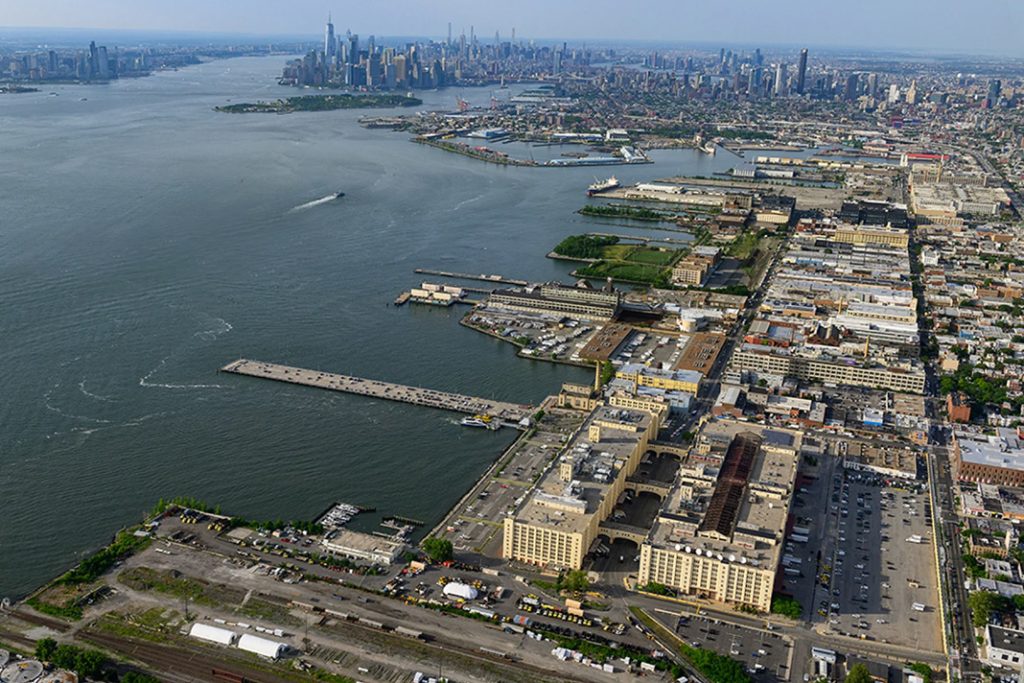
Brooklyn Army Terminal (BAT) began as a World War II-era military supply base. Today it is New York City’s largest publicly owned industrial campus, with 59 waterfront acres, more than 4 million square feet and over 100 businesses. In this episode of Industry Insights, Bridget Chansakul, Vice President of Leasing & Portfolio Management at NYCEDC, explains what space is available and what’s planned for the 250,000+ square feet of new industrial space in Building A. She also covers how the ferry, parking and on-site childcare help tenants hire and keep workers, along with workforce partnerships, City incentives for manufacturers and where BAT is headed next.
Get In Touch
Google news and SEO compliant, Industry Today’s state-of-the-art digital media platform offers bespoke media campaigns that target key decision makers and buyers to achieve your marketing and promotional goals.

Contribute
Showcase your brand and promote your business to our highly targeted audience. We offer detailed Google Analytics with measurable ROI to assure success. Submit your content for review by our Editorial team who will contact you to discuss the project further.
About Us
Reach Your Targeted Audience and Grow Your Business. Learn more About Industry Today.
Contact Us

© 2026 Industry today. All Rights reserved.