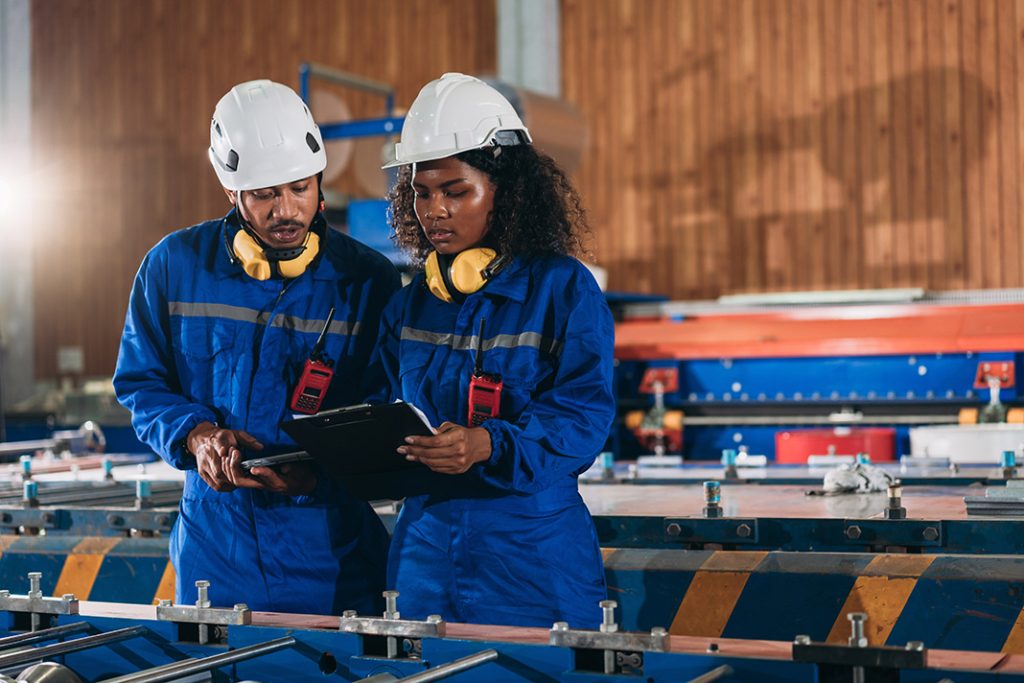
Industrial manufacturers are using M&A to accelerate automation, digital transformation, and portfolio repositioning.
By Michael Fiore, PwC US Industrial Products Deals Leader
After a cautious start, deal activity in the industrial manufacturing sector regained momentum in 2025. Improving macroeconomic conditions, easing inflation, and greater financing predictability sparked a renewed focus from dealmakers on growth-oriented and strategically transformative transactions.
PwC’s Industrial Manufacturing Deals 2026 Outlook highlights a defining feature of this rebound: the return of large-scale transactions. Megadeals are lifting overall deal value and contributing to renewed confidence across the sector. As manufacturers respond to shifting policy priorities, digital disruption, and evolving supply chains, M&A is increasingly being used as a strategic tool to reposition portfolios and strengthen long-term competitiveness.
The reemergence of megadeals in 2025 marked a notable shift from the prior year, when large transactions were largely absent. Deals exceeding $5 billion accounted for more than two thirds of total industrial deal value in 2025, reflecting a greater willingness among buyers to pursue transformational transactions.
For industrial manufacturers, these transactions are less about scale alone and more about strategic acceleration. Buyers are targeting assets that enhance automation capabilities, expand electrification offerings, or provide access to higher-growth end markets. In many cases, megadeals are enabling companies to accelerate progress toward advanced manufacturing models focused on efficiency, resilience, and innovation.
Private equity sponsors are also reengaging in the market with a disciplined approach. While underwriting standards remain conservative, sponsors are actively pursuing platform investments and buy-and-build strategies, particularly in the upper mid-market. As financing conditions have stabilized, sponsor-backed activity has begun to reenter the market.
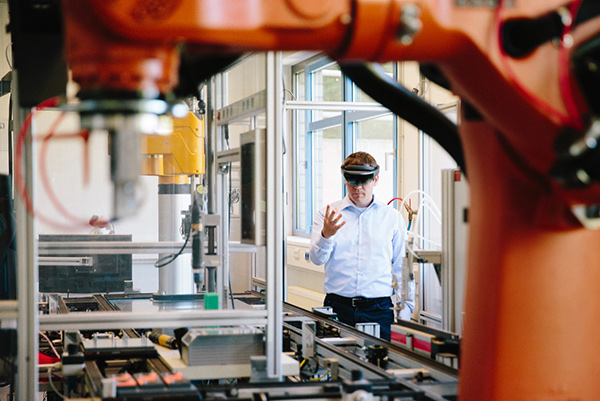
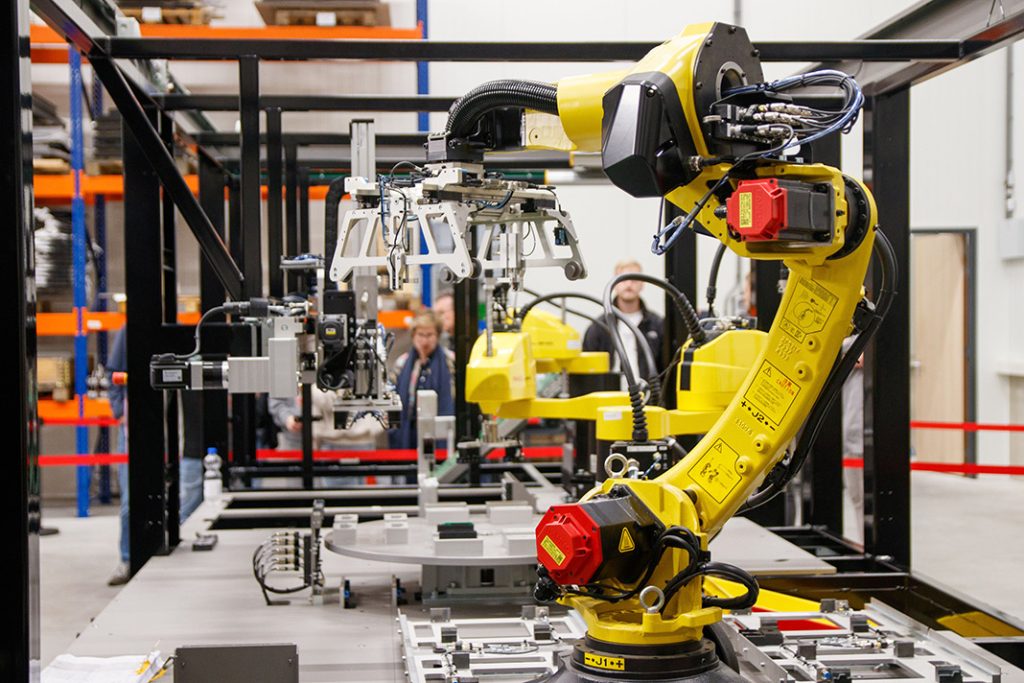
Artificial intelligence and automation have moved from long-term initiatives to core strategic requirements. Persistent labor constraints, cost pressures, and the need for improved operational visibility are prompting manufacturers to invest in technologies that deliver measurable productivity improvements.
As a result, M&A activity is increasingly focused on targets offering AI-enabled manufacturing execution systems, predictive maintenance tools, robotics platforms, and advanced analytics. These capabilities are improving operational performance and are increasingly influencing valuation considerations. Manufacturers with more advanced digital capabilities and products are often viewed as better positioned competitively, while those earlier in their transformation face increased pressure to modernize.
Many companies are taking a measured approach by pursuing partnerships, minority investments, or targeted acquisitions rather than full-scale integrations. This approach allows organizations to advance digital capabilities while managing execution risk. Across transaction types, digital readiness has become a critical diligence consideration and a central component of deal rationale.
Government policy is playing an increasingly important role in shaping industrial M&A. Trade policies, tariffs, clean energy incentives, and regulatory considerations are influencing where capital is deployed and how transactions are structured. While some uncertainty remains, greater policy clarity is supporting more informed planning.
Incentives tied to clean energy, domestic manufacturing capacity, and supply chain resilience are encouraging investment in automation, electrification, and critical infrastructure assets. At the same time, evolving trade dynamics are prompting manufacturers to reassess geographic footprints and reduce exposure to geopolitical risk.
M&A is a mechanism that allows companies to respond proactively to these dynamics and reposition portfolios in alignment with policy and regulatory developments.
As confidence improves, industrial companies are leveraging divestitures of non-core or underperforming assets to free up capital for reinvestment in areas such as advanced materials, clean energy technologies, and industrial software.
Cross-border activity is also gaining traction as manufacturers seek to diversify production footprints and enhance supply chain resilience. Rather than relying on single-region manufacturing models, companies are pursuing acquisitions that expand geographic reach and operational flexibility—particularly in sectors where proximity to customers, regulatory alignment, or supply security is critical.
Addressing operational challenges and clearly articulating strategic positioning is becoming increasingly important as competition for quality assets increases.
While challenges remain, the operating environment has become more predictable. Inflationary pressures have eased, interest rate trajectories are clearer, and capital markets have shown greater stability. These conditions are prompting dealmakers to revisit transactions that were previously paused.
Manufacturers that delayed M&A due to financing costs or valuation gaps are reengaging with a more focused approach. Rather than pursuing opportunistic transactions, buyers are prioritizing deals that align with long-term growth objectives, operational efficiency, and digital capability development.
As market activity continues to normalize, companies that reassess pipelines, refine diligence assumptions, and improve transaction readiness gain a clearer execution advantage.
Looking ahead, industrial manufacturing M&A will continue to be shaped by policy developments, digital transformation, and ongoing productivity pressures. As these dynamics converge, deal activity is likely to concentrate in areas where strategic repositioning supports long-term competitiveness.
Digital capability building, automation, and electrification are increasingly influencing valuation and diligence priorities, with AI-enabled productivity improvements and the convergence of industrial and digital technologies shaping how buyers assess resilience and growth potential.
Capital allocation decisions are also being informed by evolving policy frameworks, including incentives tied to clean energy, domestic manufacturing, and supply chain resilience. As market activity normalizes, disciplined execution and clarity around strategic objectives will remain important.
As manufacturers move through 2026, those that combine strategic clarity with targeted investment in technology, efficiency, and portfolio positioning will be well positioned to translate improving market conditions into sustained competitive advantage.
About the Author:
Michael Fiore is PwC’s Industrial Products M&A Leader, bringing over 25 years of industry and M&A transaction consulting experience. He specializes pre- and post-deal services advised on transformative global and domestic transactions. He has supported over 700 M&A transactions during his career.

Forging the Next 250 Years: Powering the Next Era of American Manufacturing
As manufacturers offer more customization than ever before, managing product complexity has become a critical challenge. Tune in with Dan Joe Barry, Vice President of Product Marketing at Configit, who explores how companies are tackling the growing number of product configurations across engineering, sales, manufacturing, and service. He explains how Configuration Lifecycle Management (CLM) helps organizations maintain a single source of truth for configuration data. The result: fewer errors, faster quoting, and the ability to deliver customized products at scale.
Get In Touch
Google news and SEO compliant, Industry Today’s state-of-the-art digital media platform offers bespoke media campaigns that target key decision makers and buyers to achieve your marketing and promotional goals.

Contribute
Showcase your brand and promote your business to our highly targeted audience. We offer detailed Google Analytics with measurable ROI to assure success. Submit your content for review by our Editorial team who will contact you to discuss the project further.
About Us
Reach Your Targeted Audience and Grow Your Business. Learn more About Industry Today.
Contact Us

© 2026 Industry today. All Rights reserved.