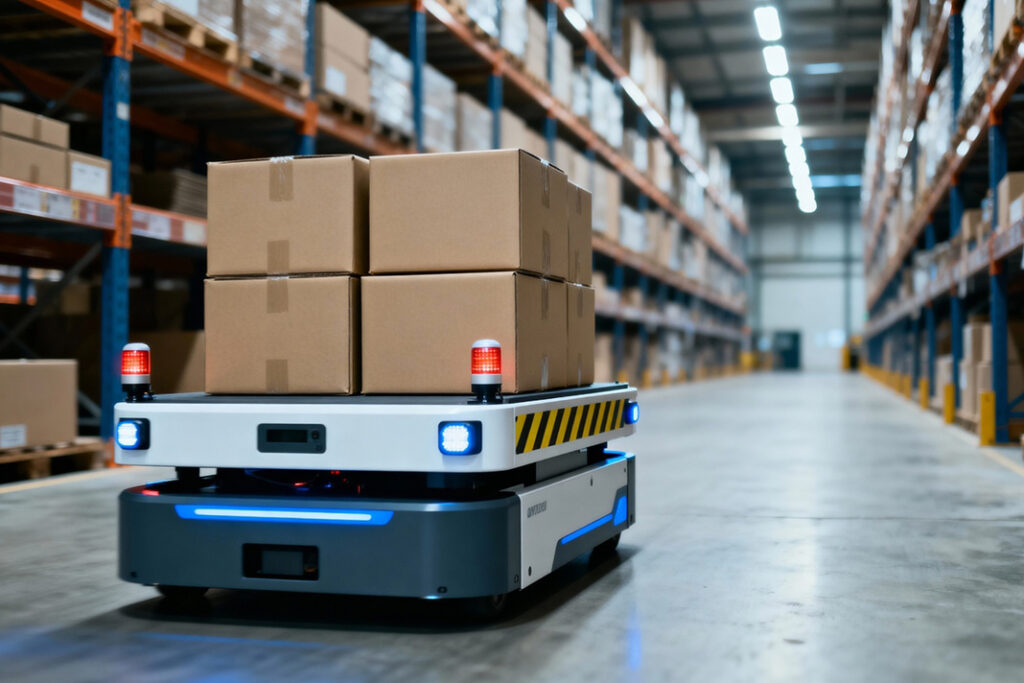
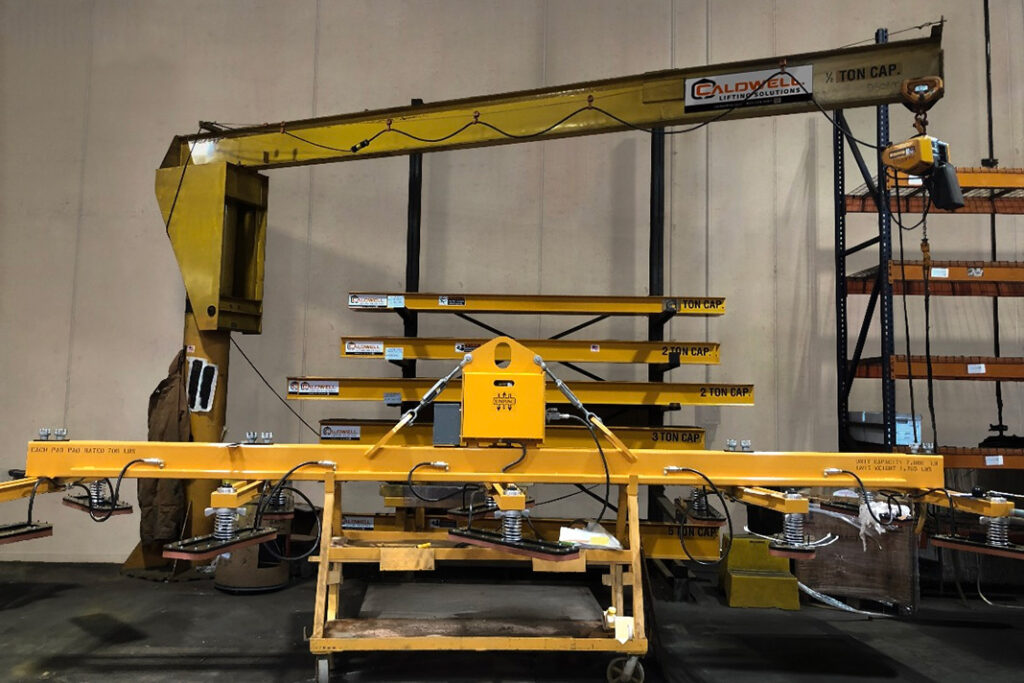
The solution integrates auto feeding and box stacking systems with a heavy duty box making machine to improve efficiency and reduce labor.
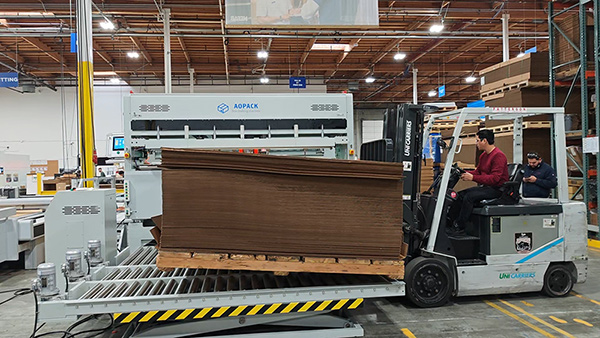
As packaging manufacturers in the United States continue to pursue higher production efficiency and reduced labor dependency, automation has become a key factor in modern corrugated box production.
Recently, AOPACK, a manufacturer of advanced box making machine solutions, completed an automation upgrade project for a customer located in Newark, California, delivering an integrated auto feeding and auto box stacking solution for heavy duty carton box production.
The customer is a U.S.-based packaging manufacturer that previously installed one BM3000-HD Heavy Duty Box Making Machine in August 2025.
The machine was customized and optimized for the U.S. market to handle large-format and high-strength corrugated cardboard.
Since installation, the machine has been operating steadily, supporting the customer’s daily carton production requirements.
The BM3000-HD installed at the customer site is equipped with multiple advanced functions designed for industrial packaging production, including:
This configuration allows cutting, creasing, printing, and gluing to be completed in a single production process.
In January 2026, the customer received the long-awaited automation upgrade — AOPACK’s Auto Feeding and Auto Box Stacking System.
To ensure smooth implementation, AOPACK arranged both an after-sales service engineer and an R&D engineer to support on-site installation, commissioning, and operator training.
The full installation and training process was completed within five days.
The automated box making machine solution enables a streamlined workflow, including:
The system significantly reduces manual handling while improving output consistency and workplace organization.
By integrating auto feeding and auto stacking systems with a heavy duty box making machine, the customer has achieved a higher level of carton production automation.
The solution helps improve efficiency, reduce labor intensity, and support stable large-format box production.
This project further demonstrates AOPACK’s ability to support packaging manufacturers in the United States market with advanced automation solutions tailored to industrial production requirements.

Industry in Transition: The Forces Reshaping Manufacturing
As manufacturers offer more customization than ever before, managing product complexity has become a critical challenge. Tune in with Dan Joe Barry, Vice President of Product Marketing at Configit, who explores how companies are tackling the growing number of product configurations across engineering, sales, manufacturing, and service. He explains how Configuration Lifecycle Management (CLM) helps organizations maintain a single source of truth for configuration data. The result: fewer errors, faster quoting, and the ability to deliver customized products at scale.
Get In Touch
Google news and SEO compliant, Industry Today’s state-of-the-art digital media platform offers bespoke media campaigns that target key decision makers and buyers to achieve your marketing and promotional goals.

Contribute
Showcase your brand and promote your business to our highly targeted audience. We offer detailed Google Analytics with measurable ROI to assure success. Submit your content for review by our Editorial team who will contact you to discuss the project further.
About Us
Reach Your Targeted Audience and Grow Your Business. Learn more About Industry Today.
Contact Us

© 2026 Industry today. All Rights reserved.