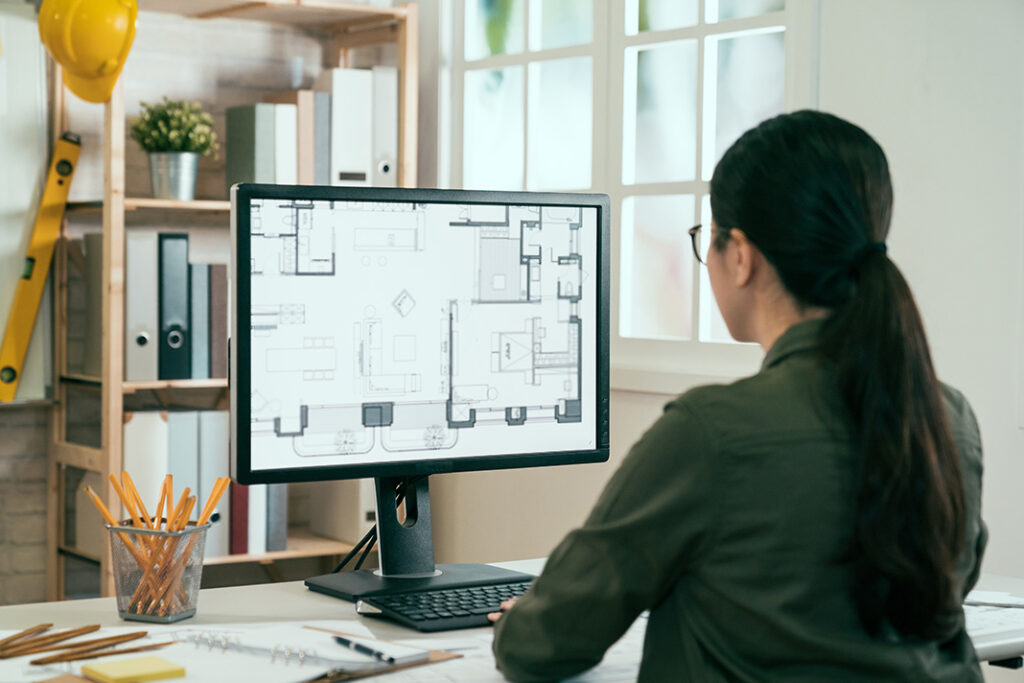
A look at how to choose, plan and get the most out of a fabric building solution.
Warehousing needs have changed. Businesses seek storage spaces that are flexible, easy to set up, and cost-effective without compromising performance. Traditional construction still has its place, but it’s not always the best fit for operations that need to move fast or adapt to shifting demand.
That’s where fabric building solutions come in. These structures offer a practical solution for modern warehousing, especially for companies looking to expand capacity or create temporary storage.
If you’re considering this approach, you need to understand how to choose, plan, and get the most out of a fabric building. Let’s take a look:
The supplier you choose shapes the outcome of your project. A reliable partner will walk you through options, from simple fabric shelters to more advanced custom buildings designed for specific storage needs.
It’s worth asking about materials, warranties, and past projects. Some suppliers specialize in commercial fabric building setups, while others focus on long-term warehousing or support for construction sites. Clear communication helps you understand what’s realistic and what fits your budget without surprises later.
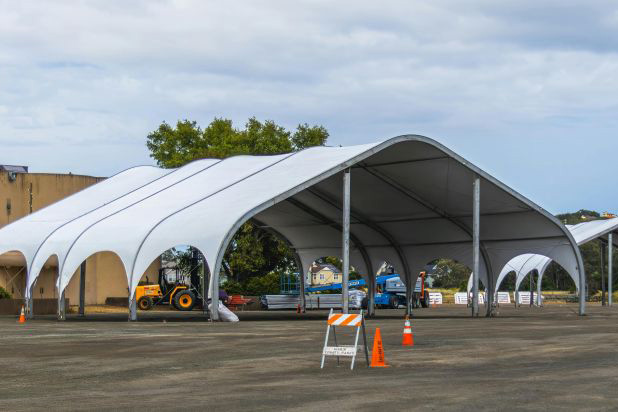
Structures vary in shape and design. It helps to know what sets them apart. Most designs use strong steel frames or aluminium frames paired with a durable fabric covering. This creates wide, open interiors without internal columns.
That open space supports smoother movement of goods and equipment. Whether you’re running a large storage facility or a smaller operation, flexibility in layout can make daily tasks easier. It also allows you to adjust as your inventory or workflow changes.
A warehouse should reflect how your team works. Before choosing a fabric structure, think through how materials enter, move, and leave your space. That flow should guide your design choices.
Clear-span tension structures can help you avoid layout restrictions, especially if you rely on large equipment. If you’re handling bulk goods, you’ll want enough height and width to support stacking or racking systems. Planning around real tasks keeps the space practical instead of cramped.
The location you choose affects how well your building holds up over time. The ground should be stable, accessible, and suited to your daily operations. That includes enough space for vehicles and clear paths for staff to move safely.
Some tension fabric buildings sit well on compacted gravel, while others work better with concrete slabs. Placing a structure near active construction sites calls for added durability and smooth access for equipment and deliveries. A well-prepared site helps keep operations steady from day one.
Lighting affects both comfort and efficiency inside a warehouse. Many fabric structures allow for natural lighting, which can brighten the space during the day without relying fully on artificial sources. That can make day-to-day tasks easier to manage, especially in large open areas.
That can support better energy efficiency, especially when paired with light-emitting diode (LED) lighting for darker hours. You can also add sensors or timers to keep lighting use consistent and avoid waste. Ventilation plays a part, too. Simple airflow systems help manage heat and keep the space more comfortable without adding too much complexity.
Weather can affect both your building and what you store inside it. That’s why it’s important to match your structure to local weather conditions rather than relying on a one-size-fits-all design.
Look at how the structure handles wind, rain, and even snow load, if relevant to your region. Many designs use a strong tensile structure that distributes stress evenly across the frame. This helps maintain stability while protecting your inventory from the elements.
One of the reasons businesses consider fabric solutions is the faster setup compared to traditional builds. Still, planning matters. You’ll need to coordinate site prep, delivery, and assembly.
Within the construction industry, timing can influence costs, material availability, and scheduling. Selecting a design that uses pre-engineered parts, like a galvanized steel structure, can help simplify the installation process. Good planning keeps the project moving and helps avoid unnecessary delays.
Fabric buildings are designed for long-term use, but they still need regular care. Routine checks will help you spot wear early and keep everything in good shape.
Features like corrosion protection on the frame help extend the life of the structure. Keeping the fabric covering clean and properly tensioned also supports performance over time. With consistent upkeep, these buildings can remain reliable for years.
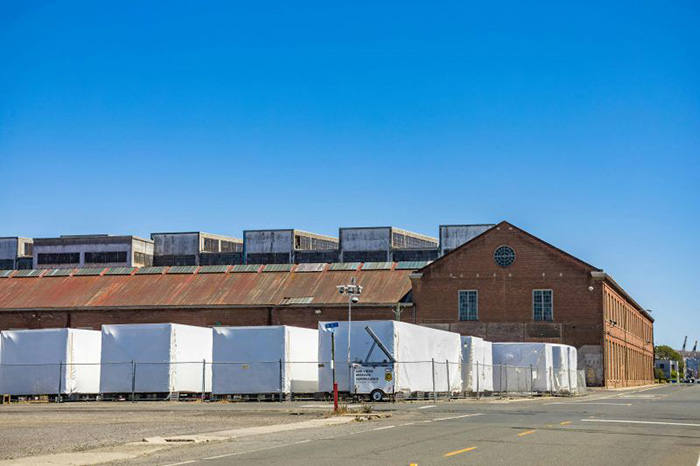
Every warehouse has to meet local requirements. Before moving forward, review the relevant building codes and safety standards in your area, including permits and the needed inspections during setup. This step helps avoid delays and keeps your project on track.
Think about structural strength, fire safety, and how the space will be used on a daily basis. Many tension fabric buildings are designed with these standards in mind, but it’s still important to confirm details with your supplier or local authority.
It also helps to plan for clear exits, proper lighting, and safe movement inside the space. A well-prepared setup supports both your team and your operations without adding unnecessary risk.
Fabric building solutions offer a practical way to meet modern warehousing needs without overcomplicating the process. With careful planning, the right design, and a focus on safety and maintenance, these structures can support flexible, efficient storage over time. Taking the time to get the details right helps you build a space that fits your operations and adapts as your needs change.

Industry in Transition: The Forces Reshaping Manufacturing
As manufacturers offer more customization than ever before, managing product complexity has become a critical challenge. Tune in with Dan Joe Barry, Vice President of Product Marketing at Configit, who explores how companies are tackling the growing number of product configurations across engineering, sales, manufacturing, and service. He explains how Configuration Lifecycle Management (CLM) helps organizations maintain a single source of truth for configuration data. The result: fewer errors, faster quoting, and the ability to deliver customized products at scale.
Get In Touch
Google news and SEO compliant, Industry Today’s state-of-the-art digital media platform offers bespoke media campaigns that target key decision makers and buyers to achieve your marketing and promotional goals.

Contribute
Showcase your brand and promote your business to our highly targeted audience. We offer detailed Google Analytics with measurable ROI to assure success. Submit your content for review by our Editorial team who will contact you to discuss the project further.
About Us
Reach Your Targeted Audience and Grow Your Business. Learn more About Industry Today.
Contact Us

© 2026 Industry today. All Rights reserved.