Do you know why you rarely get a response to your inquiries? View the guide on how to find a suitable supplier for small batch CNC projects.
Looking for a suitable supplier for your small batch CNC projects never look simple: you only need 1–50 pieces. And if you have many part numbers, frequent revisions, mixed materials, and a deadline, this is make it harder. The real challenge is not only in cutting time—it’s also communication, planning, and repeatability.
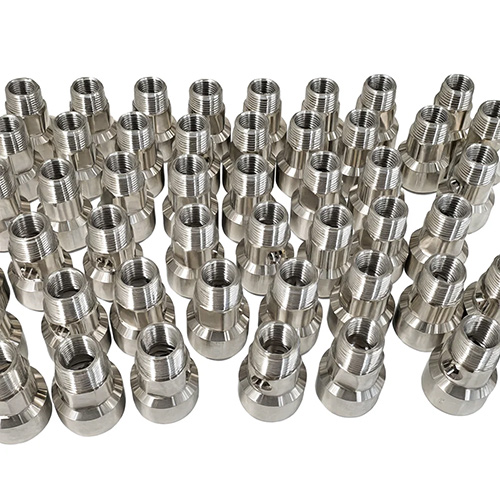
This guide shows how to choose a CNC supplier for high-mix, low-volume (HMLV) projects, what to ask, what to send, and how to avoid the most common sourcing traps.
Not all small number RFQs are the same. Your supplier choice should match your project type.
If you don’t label the project type, suppliers will guess—and quotes will be inconsistent.
One thing is to use clear fit check instead of vague terms. When you say “high precision,” every supplier hears a different meaning. Replace vague terms with measurable expectations:
Small-batch projects become expensive when everything is “critical.”
These questions reveal whether a CNC machining supplier is truly capable of small quantity and many part orders:
The most important is to asking your quote from a professional team with years of machining experts, like: TUOFA CNC Machining Custom Shop.
Review the quote for these items:
If a quote has almost no assumptions written down, expect misunderstandings later. More vague quote details, slower and less accurate quotations.
Trap A: “Everything Tight Tolerance” Drawings
This increases inspection time and scrap risk. If only a few features matter, label them.
Trap B: Too Many Materials & Finishes
Eight materials and six finishes in a 30-line BOM can create scheduling chaos. Consolidate if possible.
Trap C: Weak Revision Control
If revisions are emailed informally, mistakes happen. Use revision-controlled PDFs and a written confirmation step.
Trap D: Price-First Sourcing
In HMLV, setup and planning often dominate. A supplier who is slightly higher but organized can deliver faster and more reliably.
Don’t test a supplier with the easiest part. Test them with a small set that reflects reality:
Then score them on:
This tells you more than a single “easy” part ever will.
If you are sourcing custom small batch CNC machining, high-mix projects, TUOFA CNC Machining typically works best when buyers need:
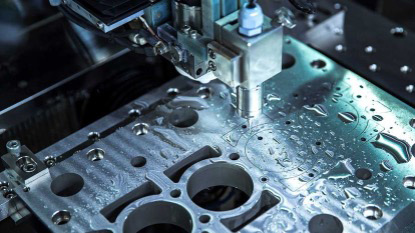
The best next step is simple: provide a BOM list, highlight critical features, and send your detailed technical drawings (2D & 3D in STEP/STL/IGS format). That allows any serious supplier—including TUOFA—to quote faster and reduce risk.

Industry in Transition: The Forces Reshaping Manufacturing
As manufacturers offer more customization than ever before, managing product complexity has become a critical challenge. Tune in with Dan Joe Barry, Vice President of Product Marketing at Configit, who explores how companies are tackling the growing number of product configurations across engineering, sales, manufacturing, and service. He explains how Configuration Lifecycle Management (CLM) helps organizations maintain a single source of truth for configuration data. The result: fewer errors, faster quoting, and the ability to deliver customized products at scale.
Get In Touch
Google news and SEO compliant, Industry Today’s state-of-the-art digital media platform offers bespoke media campaigns that target key decision makers and buyers to achieve your marketing and promotional goals.

Contribute
Showcase your brand and promote your business to our highly targeted audience. We offer detailed Google Analytics with measurable ROI to assure success. Submit your content for review by our Editorial team who will contact you to discuss the project further.
About Us
Reach Your Targeted Audience and Grow Your Business. Learn more About Industry Today.
Contact Us

© 2026 Industry today. All Rights reserved.