Manufacturing and industrial are emerging as a top 2026 hiring sector. Here’s how employers and industrial professionals can succeed.
By Rick Hermanns, President & CEO, HireQuest
Manufacturing and industrial hiring is entering 2026 with renewed strength. For both employers and job seekers, the opportunity is real.
So far this year, manufacturing activity in the U.S. has expanded at its fastest pace since 2022. While other industries remain cautious, manufacturers are moving forward with hiring, driven by reshoring, easing tariff pressure and the need for highly skilled, hands-on talent that can’t be easily automated. That momentum is reflected in data from HireQuest’s nationwide network of more than 400 staffing and recruiting offices, with 56% of local offices identifying manufacturing and industrial as the top growth sector for 2026 hiring over any other industry.
This momentum creates opportunity, especially for those who adjust their people and career strategies to match how the market is evolving. Here’s what manufacturers and industrial professionals should do to stay competitive this year.

Align People, Processes and Technology Around Shared Goals
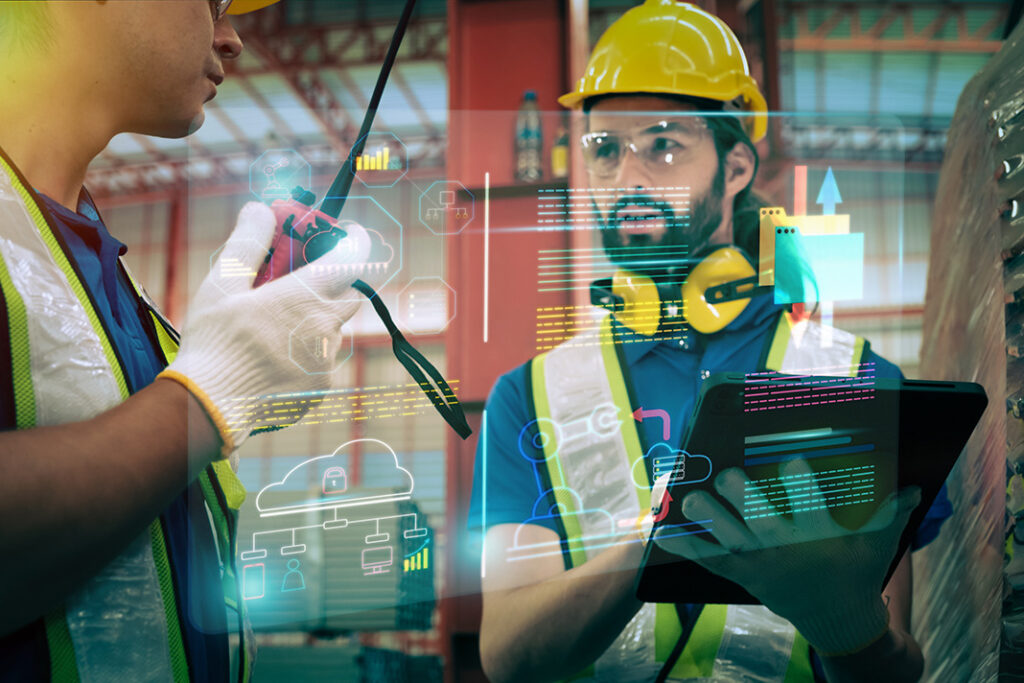
Industry 4.0, or the Fourth Industrial Revolution, refers to the current wave of smart technology in industry, such as AI, automation and robotics. As these innovations transform the sector, demand for candidates with advanced technological knowledge is increasing. As technical and corporate roles evolve, new skill gaps are emerging across every level of manufacturing.
Manufacturers seeing the strongest results are taking a more integrated approach, including:
These strategies not only strengthen collaboration but help future-proof organizations against shifting market dynamics.
Create a Talent Pipeline by Investing in the Next Generation
Workforce continuity is becoming a pressing concern for manufacturers. The Bureau of Labor Statistics predicts more than 25,000 industrial engineering openings annually over the next decade, many driven by workers retiring. That loss of institutional knowledge increases competition for experienced talent.
Employers can respond by investing earlier in workforce development. Apprenticeship programs, for example, offer a proven return: studies show a median ROI of nearly 250% within five years. Upskilling current employees, particularly in areas like data analytics or automation, can also close skills gaps faster than relying solely on external hires.
Pairing internal development with targeted talent recruiting support for specialized or project-based roles, when needed, allows manufacturers to build depth without slowing momentum.
Move Faster When the Right Candidate Appears
Across HireQuest’s temporary staffing divisions, HireQuest Direct and Snelling, application volume for open manufacturing and industrial roles is trending upward, meaning competition for roles remains strong, despite skill gaps. Employers that hesitate or add unnecessary approval layers are losing top candidates to faster-moving competitors.
To ensure offers can be made quickly, hiring managers should streamline decision-making and pre-align on internal stakeholder approvals needed before recruiting begins.
Consider Reskilling or Upskilling to Become More Versatile
As manufacturing becomes increasingly technical and data-driven, professionals who invest in new, in-demand skills gain a clear advantage. For example, specific technical skills, paired with business or operational experience, are increasingly valued across roles.
On the technical side, manufacturers are seeking:
On the professional and corporate side, demand is rising for:
Above all, don’t forget to lean into softer “handshake” skills to stand out from the crowd. Reliability, communication and teamwork matter more than ever on the modern factory floor, where people and automated systems must work seamlessly together. Demonstrating professionalism, ownership and collaboration throughout the hiring process increasingly influence hiring decisions and long-term growth trajectories.
Position Yourself Where Demand Is Strongest
If opportunities for your skillset feel limited within your community, don’t be afraid to consider relocation. Manufacturing’s growth is highly regional, with strongest demand in the Southeast (particularly Georgia, Alabama and Tennessee), the Midwest and parts of the Mountain West, including Salt Lake City, Utah.
It’s Not Just What You Know, But Who Can Get You In the Door
In today’s manufacturing labor market, staffing firms increasingly play a critical role in introducing talent to employers through temporary and contract opportunities. These roles allow professionals to gain experience and establish relationships that lead to permanent positions.
Success in 2026 will belong to companies that unite people, technology and strategy – and to employers and candidates who partner with recruiters who know how to place highly skilled talent across the industrial spectrum – from machinists and technicians to operational executives.
To discover open roles or connect with one of HireQuest’s divisions for your staffing needs, spanning executive search, temp to perm and on-demand industrial staffing, visit hirequest.com.

About the Author:
Rick Hermanns oversees one of the largest staffing, recruiting and talent management networks in the US. Beginning as an owner of a single staffing franchise in 1991, he has since grown HireQuest into a 400-plus-location powerhouse that has achieved consistent profitability through a community-based franchise model and strategic acquisitions. Hermanns is deeply committed to empowering franchisees to build thriving businesses. He is also committed to philanthropy through the Higher Quest Foundation, which combats hunger and supports local causes and veterans. A trusted voice on workforce trends, he regularly shares insights on LinkedIn and has been featured in FOX Business, Bloomberg and Business Insider.
Read more from the author:
Hiring outlook 2026: The year the labor market resets | Staffing Industry Analysts, 12/16/2025
Retail’s Shifting Labor Landscape: What’s happening on the staffing front lines | Chain Store Age, 11/17/2025

Industry in Transition: The Forces Reshaping Manufacturing
As manufacturers offer more customization than ever before, managing product complexity has become a critical challenge. Tune in with Dan Joe Barry, Vice President of Product Marketing at Configit, who explores how companies are tackling the growing number of product configurations across engineering, sales, manufacturing, and service. He explains how Configuration Lifecycle Management (CLM) helps organizations maintain a single source of truth for configuration data. The result: fewer errors, faster quoting, and the ability to deliver customized products at scale.
Get In Touch
Google news and SEO compliant, Industry Today’s state-of-the-art digital media platform offers bespoke media campaigns that target key decision makers and buyers to achieve your marketing and promotional goals.

Contribute
Showcase your brand and promote your business to our highly targeted audience. We offer detailed Google Analytics with measurable ROI to assure success. Submit your content for review by our Editorial team who will contact you to discuss the project further.
About Us
Reach Your Targeted Audience and Grow Your Business. Learn more About Industry Today.
Contact Us

© 2026 Industry today. All Rights reserved.