A look at the intricate world of jewelry production, examining the various stages from raw material acquisition to the finished product.
The jewelry industry has been a symbol of elegance and wealth for centuries, evolving with human civilization and adapting to technological advancements. Behind every exquisite piece of jewelry lies a complex supply chain that spans the globe. This article delves deeply into the intricate world of jewelry production, examining the various stages from raw material acquisition to the finished product displayed in luxury boutiques.
The jewelry market is a vast landscape, contributing significantly to the global economy. According to CBS42.com, the worldwide jewelry market is anticipated to generate approximately $370 billion in revenue by 2025. This growth indicates the immense demand and consumption patterns as economies grow and personal wealth increases.
The dynamics of the jewelry market are primarily influenced by fashion trends, cultural traditions, and consumer preferences. Interestingly, digital transformation in the jewelry industry is helping businesses reach a more extensive client base, facilitating growth and diversification. Ethical sourcing and sustainability have also emerged as critical concerns, prompting companies to ensure their supply chains are transparent and environmentally responsible.
Overall, the jewelry market’s expansion is supported by emerging markets where rising middle-class populations contribute to elevated sales. Grand View Research projects an annual growth rate of 4.7% from 2024 onwards, underscoring the sustained demand in this sector. These factors collectively suggest a robust landscape for the industry, shaping its future trajectories.
The backbone of the jewelry supply chain lies in the acquisition of precious metals like gold, silver, and platinum. Gold is particularly significant to this industry, not just for its intrinsic value but also as a barometer for economic trends. As per TAVEX data, gold-backed exchange-traded funds experienced an inflow of 226.5 tonnes in the first quarter of 2025, marking it as one of the highest in recent years.
These inflows illustrate a robust investor interest and confidence in precious metals as a stable investment during economic uncertainty. The demand from North America and Asia leads these investments, indicating their pivotal roles in the gold market. These regions act as vital hubs for both investor interest and consumption of gold as a commodity.
Extracting metals is a challenging process requiring complex operations and large investments. The sustainability of mining practices is frequently debated, with ongoing discussions around improving regulations to safeguard environmental health and maintain ethical standards. Thus, the role of gold and other precious metals is expansive, influencing both market conditions and supply chain logistics.
The journey of a piece of jewelry begins with mining, followed by refining, crafting, and finally retailing. This intricate path ensures that the highest quality product reaches consumers. Each stage of the process demands specialized skills and precision to preserve the beauty and integrity of the original raw material.
The refining stage involves removing impurities to achieve the metal’s purest form. This cleansed metal is then crafted by skilled artisans into exquisite designs, combining traditional techniques with modern innovation. The craftsmanship phase remains critical in the jewelry supply chain, as expertise and creativity breathe life into these precious elements.
Finally, distribution channels deliver the finished products to luxury outlets worldwide. Marketing and branding play crucial roles here, with businesses focusing on creating unique customer experiences. As consumers become more discerning, brands emphasize authenticity, quality, and craftsmanship in their product narratives to stay competitive in the market.
The jewelry supply chain is a masterful blend of art, science, and commerce. As the industry continues to evolve, stakeholders must embrace sustainable practices and innovation to meet changing consumer expectations. With a global market that is both resilient and opportunistic, the future of jewelry holds abundant promise and potential.
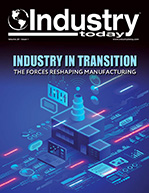
Industry in Transition: The Forces Reshaping Manufacturing
As manufacturers offer more customization than ever before, managing product complexity has become a critical challenge. Tune in with Dan Joe Barry, Vice President of Product Marketing at Configit, who explores how companies are tackling the growing number of product configurations across engineering, sales, manufacturing, and service. He explains how Configuration Lifecycle Management (CLM) helps organizations maintain a single source of truth for configuration data. The result: fewer errors, faster quoting, and the ability to deliver customized products at scale.
Get In Touch
Google news and SEO compliant, Industry Today’s state-of-the-art digital media platform offers bespoke media campaigns that target key decision makers and buyers to achieve your marketing and promotional goals.

Contribute
Showcase your brand and promote your business to our highly targeted audience. We offer detailed Google Analytics with measurable ROI to assure success. Submit your content for review by our Editorial team who will contact you to discuss the project further.
About Us
Reach Your Targeted Audience and Grow Your Business. Learn more About Industry Today.
Contact Us

© 2026 Industry today. All Rights reserved.