February 19, 2019
by Gary M. Barraco, Product Evangelist – Amber Road
As global trade continues to transform the way companies are producing, moving, buying and selling goods across borders, it’s important for supply chain leaders to know about trade trends that can help them benchmark their company with the leaders and laggards. Amber Road, the leading global trade management software provider, and the Association of American Exports and Importers (AAEI), have centered its annual report on technology. As a trusted source of data, the hope is that companies can use it to make informed decisions that will lead them to success.
“Traditionally, the trade community has been early adopters of technology and heavy users of data systems to handle the growth and economies of scale for global trade,” said Marianne Rowden, President of AAEI. “Remember — automate or perish.”
With all of the emerging and existing technology to sort through, the survey and report give insight into what companies are using, the challenges these systems are expected to solve, and how companies are implementing them.
Here are some key statistics from the report based on the survey of more than 120 supply chain executives in a cross-cut of industries and roles.
Finally, the report gives guidance on how to build the “right” technology stack in a six-step process to follow on your journey. Although finding the right stack might sound daunting at first, this task should be seen as a way to spark your company’s innovativeness in finding new ways to compete and win.

The free report is available for download here [http://bit.ly/TradeTrendsIndustryToday].
 Gary M. Barraco Director, Global Product Marketing
Gary is responsible for developing strategic product marketing direction and presenting the Amber Road brand and solutions worldwide. As the platform evangelist, Gary develops and launches customer insights, go-to-market plans, product messaging and content, and field marketing tactics which establish Amber Road’s solutions as a standard in the supply chain execution space.
Forging the Next 250 Years: Powering the Next Era of American Manufacturing
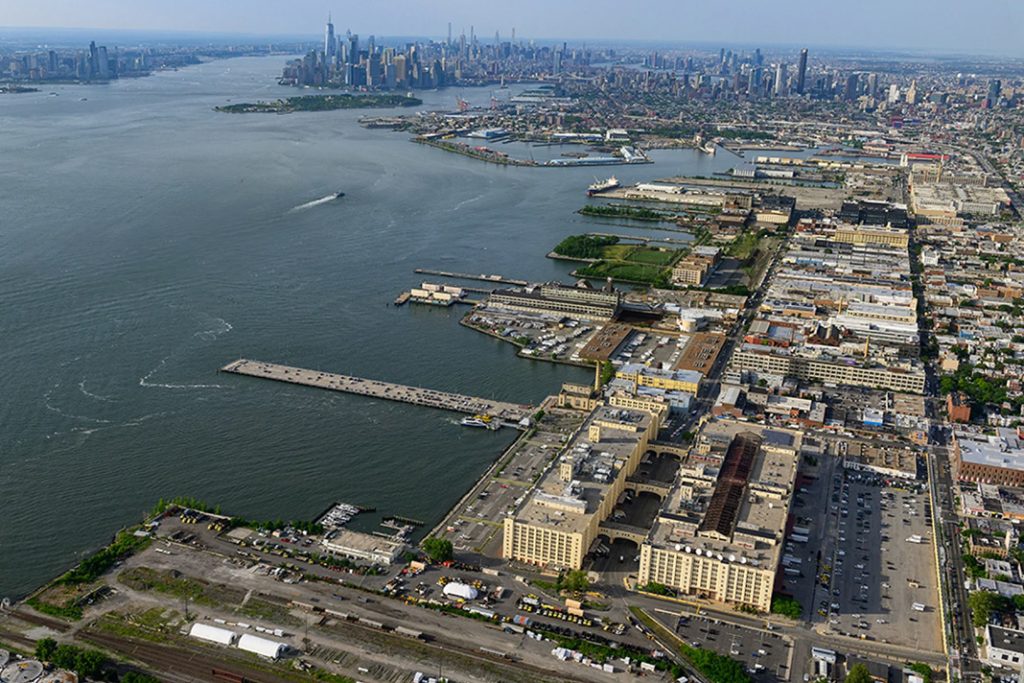
Brooklyn Army Terminal (BAT) began as a World War II-era military supply base. Today it is New York City’s largest publicly owned industrial campus, with 59 waterfront acres, more than 4 million square feet and over 100 businesses. In this episode of Industry Insights, Bridget Chansakul, Vice President of Leasing & Portfolio Management at NYCEDC, explains what space is available and what’s planned for the 250,000+ square feet of new industrial space in Building A. She also covers how the ferry, parking and on-site childcare help tenants hire and keep workers, along with workforce partnerships, City incentives for manufacturers and where BAT is headed next.
Get In Touch
Google news and SEO compliant, Industry Today’s state-of-the-art digital media platform offers bespoke media campaigns that target key decision makers and buyers to achieve your marketing and promotional goals.

Contribute
Showcase your brand and promote your business to our highly targeted audience. We offer detailed Google Analytics with measurable ROI to assure success. Submit your content for review by our Editorial team who will contact you to discuss the project further.
About Us
Reach Your Targeted Audience and Grow Your Business. Learn more About Industry Today.
Contact Us

© 2026 Industry today. All Rights reserved.