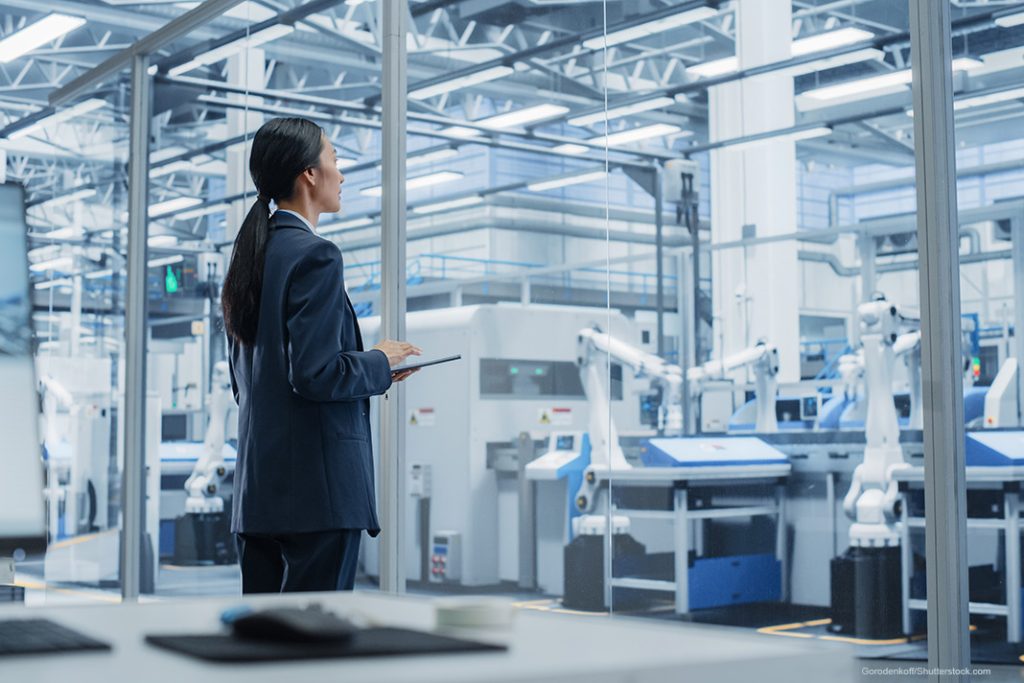
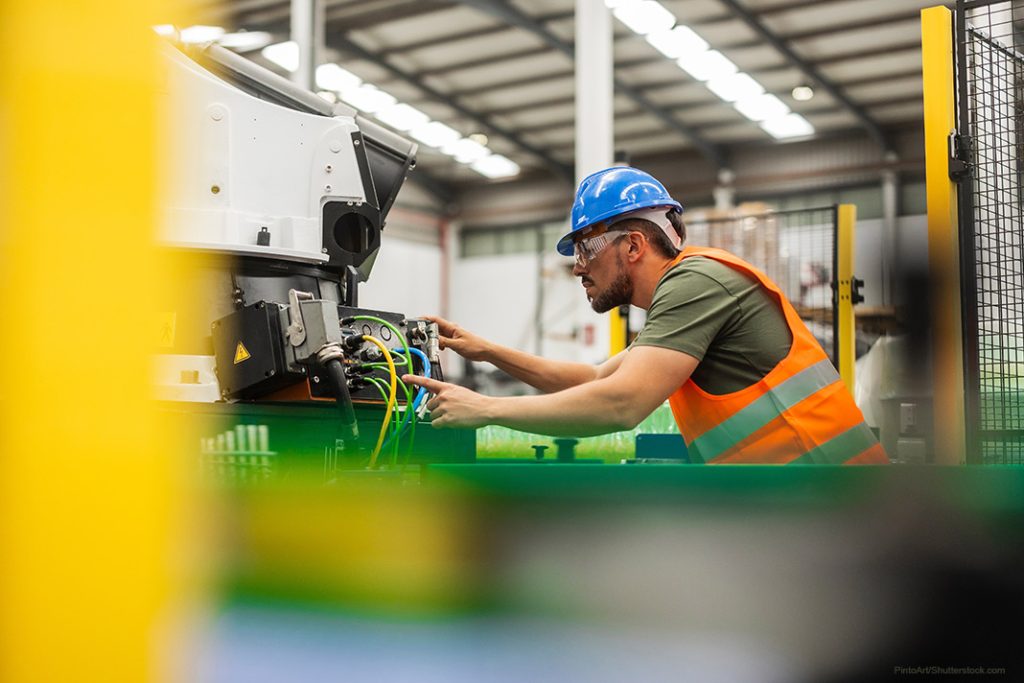
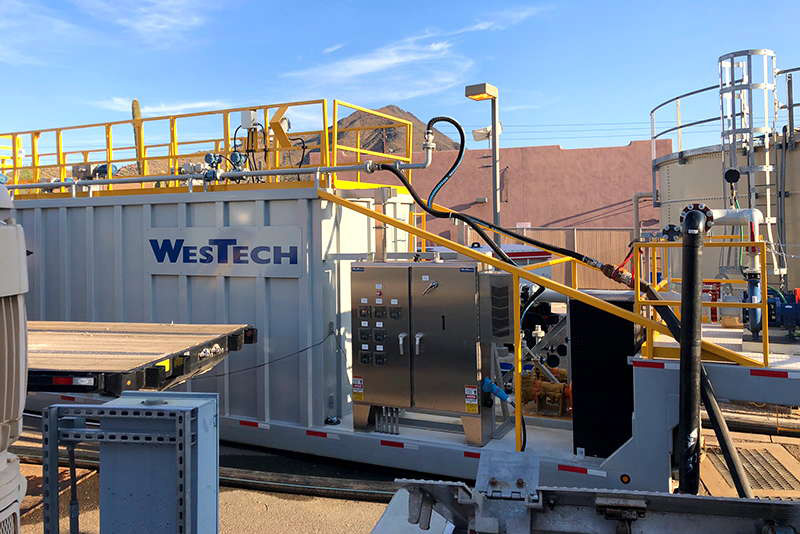
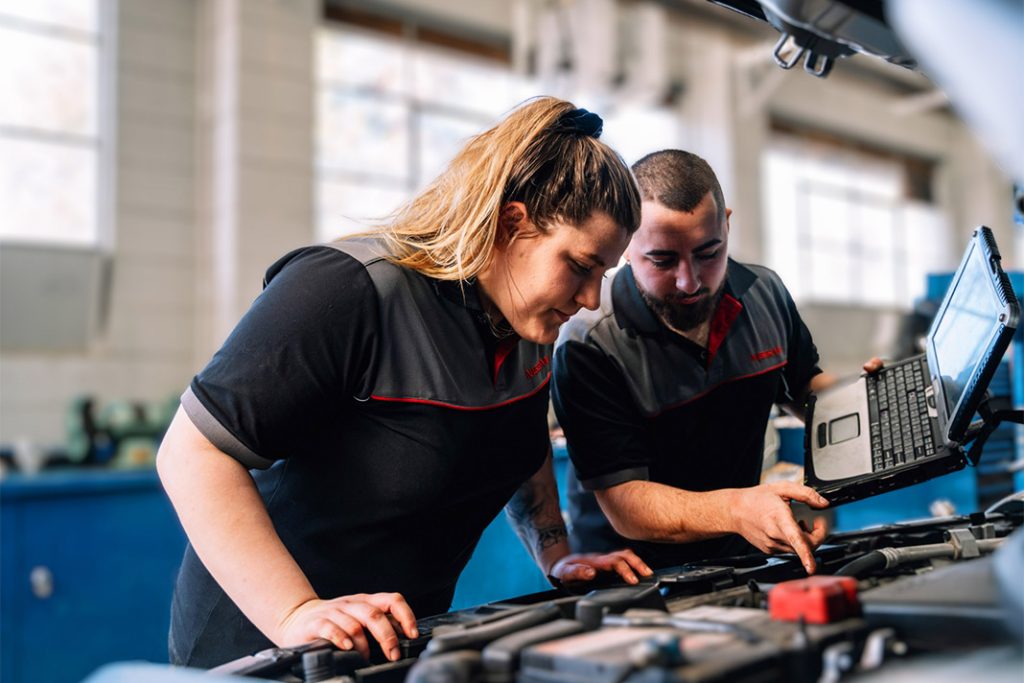
This Friday, Oct. 7, manufacturers across the country will open their doors in an epic celebration of manufacturing in America.
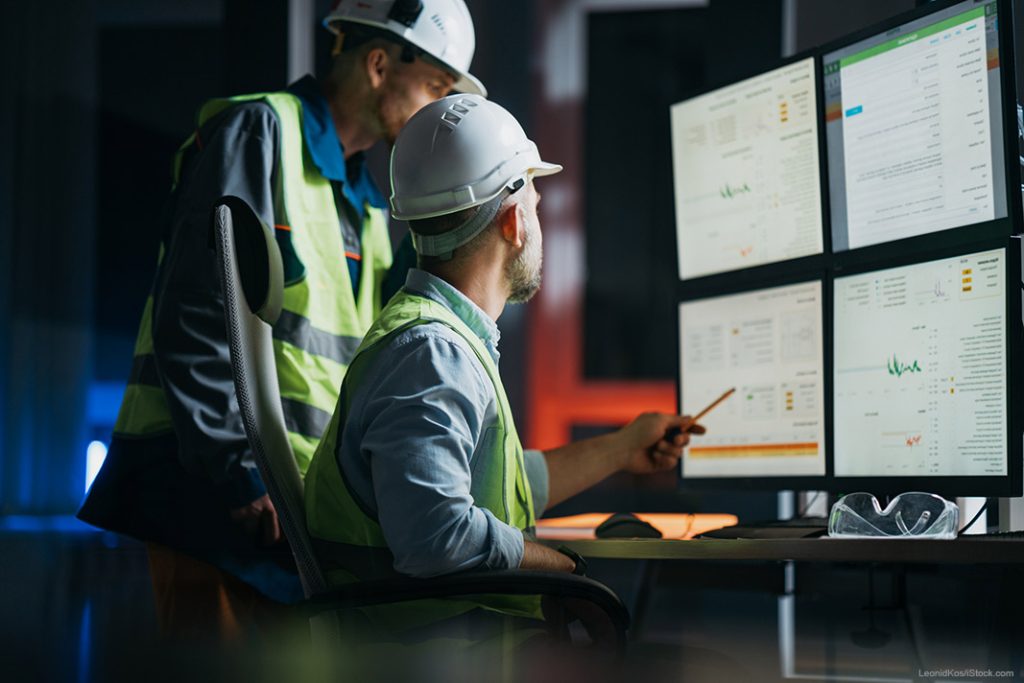
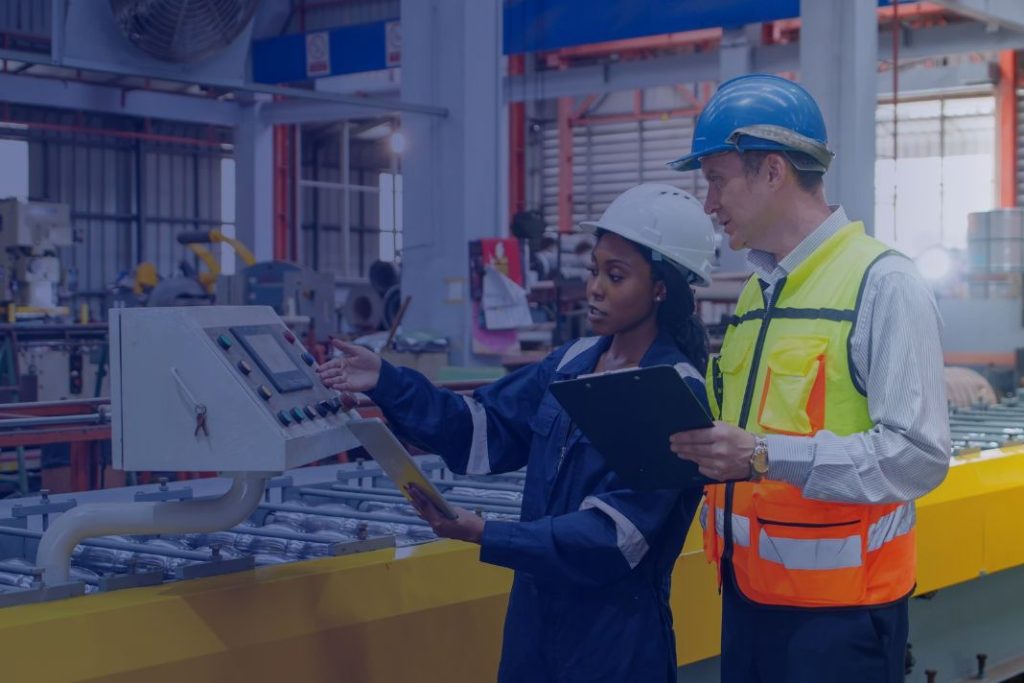
Students, parents, teachers, local leaders and many others will be welcomed into factories, technical schools and similar venues to see what modern manufacturing is really about.
What it is: Led by The Manufacturing Institute—the NAM’s workforce development and education partner—MFG Day kicks off a monthlong series of events that provide an inside view of the industry and the exciting careers it offers.
This year’s events: MFG Day events include open houses, expos, job fairs, roundtable discussions and more across the United States, featuring many different types of manufacturing.
Why it matters: The manufacturing industry will need to fill about 4 million jobs by 2030, and a lack of high-skilled workers threatens to leave more than half of those positions empty, according to a study by the MI and Deloitte. MFG Day is designed to increase awareness among the young people who could become the stars of tomorrow’s industry, showing them how much they stand to gain from choosing manufacturing as their career.
Don’t forget: If your company or organization is already on board and planning an MFG Day event, register it so that the MI can keep track of the industry’s outreach and highlight the impact of MFG Day nationwide.
What we’re saying: “This is manufacturing’s biggest annual stage to inspire the next generation,” said MI Director of Student Engagement Jen White. “We hope anyone who cares about the industry’s future will use their social media platforms and amplify #MFGDay22, to showcase why manufacturers are saying ‘Creators Wanted.’”
Originally published in Input, the NAM’s morning newsletter for manufacturing executives, and on NAM.org.

Forging the Next 250 Years: Powering the Next Era of American Manufacturing
In this episode of Industry Insights, Ricky Watts, General Manager, Industrial and Robotics Division at Intel Corporation, explains why the Industry 4.0 groundwork manufacturers have been laying for years is now the foundation for AI at scale. He describes how IT and OT systems are finally coming together, and how agentic AI can pull data from the plant floor, the supply chain and the C-suite to find out why a production line is underperforming. Watts also covers why chips have become strategic infrastructure, the rise of physical AI and robotics in harsh industrial settings, and the skills tomorrow’s workforce will need. He finishes with a layered approach to cybersecurity in software-defined plants.
Get In Touch
Google news and SEO compliant, Industry Today’s state-of-the-art digital media platform offers bespoke media campaigns that target key decision makers and buyers to achieve your marketing and promotional goals.

Contribute
Showcase your brand and promote your business to our highly targeted audience. We offer detailed Google Analytics with measurable ROI to assure success. Submit your content for review by our Editorial team who will contact you to discuss the project further.
About Us
Reach Your Targeted Audience and Grow Your Business. Learn more About Industry Today.
Contact Us

© 2026 Industry today. All Rights reserved.