Subscribe to Industry Today’s regular e-newslettersindustrytoday.com
Subscribe https://industrytoday.com/wp-content/uploads/2026/10/BAT_Construction_728x90@2x.png

Among the winners in 2024 will be industrial companies involved in infrastructure, residential services, and housing and building products.
New York, NY— Industrial companies, including those involved in infrastructure, residential services, and housing and building products will be among the winners in 2024, according to investment banking firm Oberon Securities, while those with international exposure, especially to China, will face strong headwinds.
“In the past year, we’ve seen an unprecedented increase in interest rates, the highest inflation in decades, and while that’s now receding, we’re embroiled in global geopolitical turmoil and uncertainty over the upcoming U.S. elections,” said Andrew Silver, a Managing Director of Oberon Securities. “And yet, industrial companies may fare quite well in the coming year if short-term interest rates decline modestly, and longer-term rates stay relatively unchanged.”
Silver predicts strong performance in 2024 from:
In what should be a fairly healthy market for industrial companies in 2024, there will also be some sectors that underperform, says Silver, including companies with the following characteristics:
About Oberon Securities:
Oberon Securities was founded in 2001 as an investment bank for middle market businesses, capable of closing exceptional M&A and financing transactions with the same skill and resources historically provided only to Fortune 500 companies. With 70 professionals, Oberon’s relationship-oriented approach has generated numerous long-term, multi-transaction client engagements. www.oberonsecurities.com.

Forging the Next 250 Years: Powering the Next Era of American Manufacturing
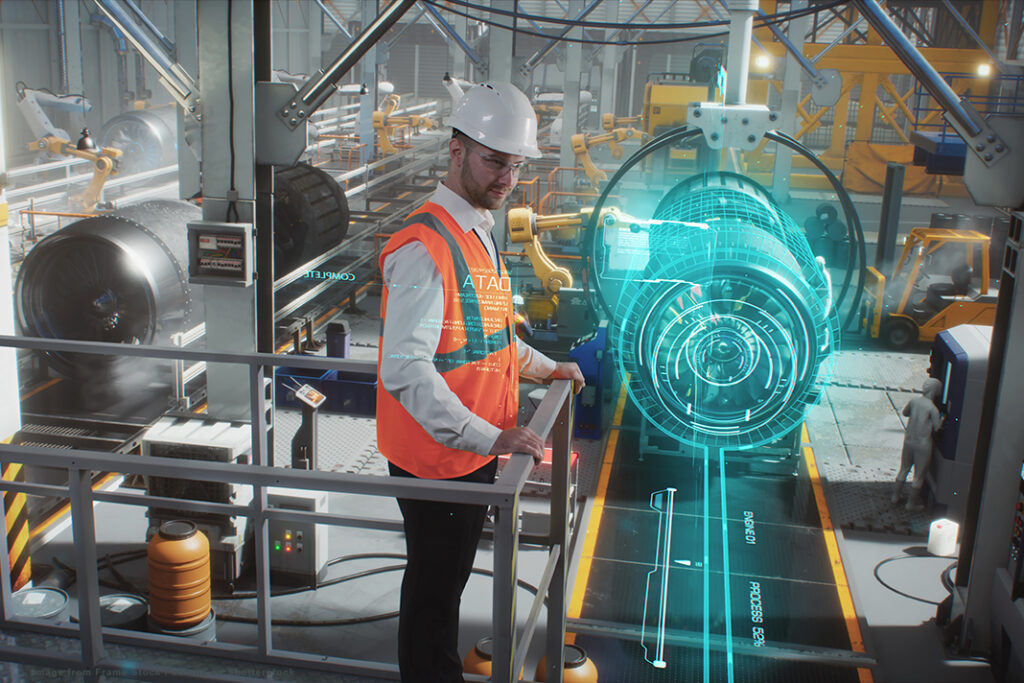
In this episode of Industry Insights, Ricky Watts, General Manager, Industrial and Robotics Division at Intel Corporation, explains why the Industry 4.0 groundwork manufacturers have been laying for years is now the foundation for AI at scale. He describes how IT and OT systems are finally coming together, and how agentic AI can pull data from the plant floor, the supply chain and the C-suite to find out why a production line is underperforming. Watts also covers why chips have become strategic infrastructure, the rise of physical AI and robotics in harsh industrial settings, and the skills tomorrow’s workforce will need. He finishes with a layered approach to cybersecurity in software-defined plants.
Get In Touch
Google news and SEO compliant, Industry Today’s state-of-the-art digital media platform offers bespoke media campaigns that target key decision makers and buyers to achieve your marketing and promotional goals.

Contribute
Showcase your brand and promote your business to our highly targeted audience. We offer detailed Google Analytics with measurable ROI to assure success. Submit your content for review by our Editorial team who will contact you to discuss the project further.
About Us
Reach Your Targeted Audience and Grow Your Business. Learn more About Industry Today.
Contact Us

© 2026 Industry today. All Rights reserved.