Why cyber resilience is becoming a foundational requirement as manufacturers scale AI, cloud, and intelligent operations
By Helena Jochberger, VP, Global Manufacturing Lead & Strategic Business Consulting at CGI
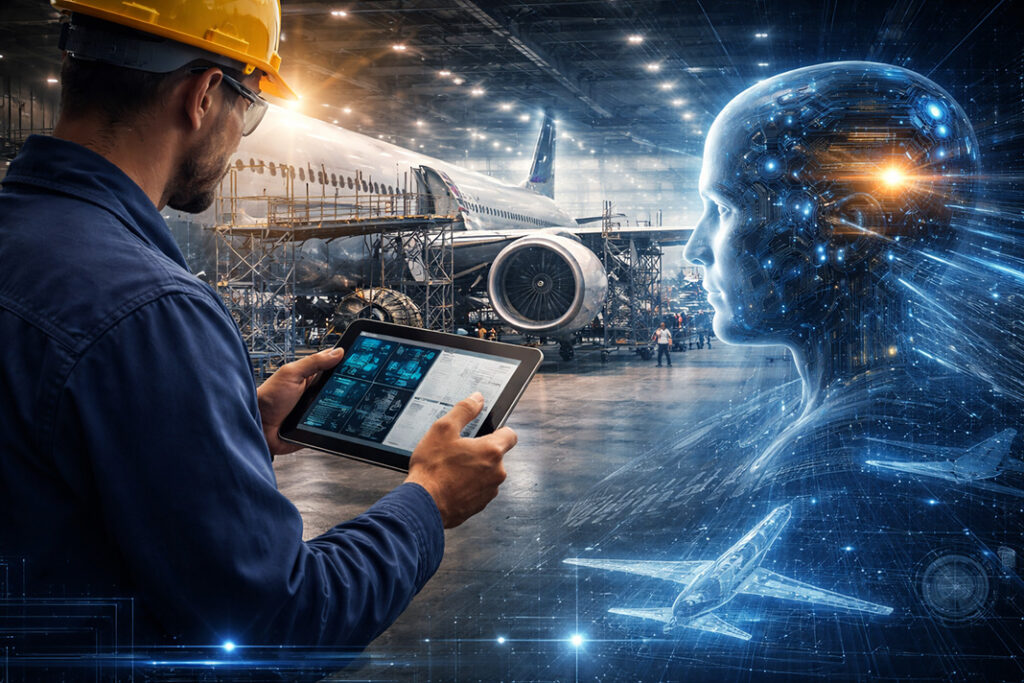
The shift toward Industry 5.0 marks a turning point for manufacturing, where AI-powered automation and intelligence are designed to empower people’s actions, not just to optimize machines. However, the promise of this new era hinges on addressing the expanding cybersecurity challenges it introduces.
According to recent research, manufacturing executives ranked investing in and strengthening cybersecurity and risk management among their top five business and IT priorities, signaling that digital integration has expanded both opportunity and exposure. When exploited, that exposure threatens not only data, but operational continuity, physical assets, workforce safety, and customer trust.
Bridging the gap between digital ambition and cyber readiness requires a holistic, strategic approach that bakes security controls into modernization efforts by design, rather than bolting them on after the fact. The first step is to understand where the vulnerabilities lie.
Compared to many other industries, manufacturing faces a distinct cybersecurity risk profile. Much of today’s operational technology (OT) infrastructure was built long before connectivity and cybersecurity were design considerations. These legacy systems often rely on proprietary software, run on unsupported operating systems, or lack basic security measures such as authentication, encryption, or logging.
At the same time, manufacturers are under constant pressure to minimize downtime. Even brief interruptions can result in lost production, missed delivery commitments, or damaged equipment, costing organizations up to $207 million in capital impact per week. Fear of disruption can lead to a “do not touch” mentality around OT, creating environments where vulnerabilities persist for years as organizations delay patching, defer upgrades, and restrict access to systems, inadvertently increasing risk.
Manufacturers collaborate in a complex ecosystem of partners with whom they exchange data or operational processes on a daily basis, increasing vulnerabilities. Cybercriminals understand this dynamic well and are not afraid to use it to their advantage. They target information technology (IT) environments not as an end in itself, but as a means to access OT networks to disrupt production, manipulate physical processes, or hold operations hostage through ransomware. The consequences are no longer hypothetical: Manufacturers impacted by cyber incidents face an average cost of $1.4 million per incident, and downtime can vary dependent on the significance of the breach – with broader ripple effects across supply chains and customer relationships, days, weeks later.
Although consequential, legacy technology alone doesn’t account for the manufacturing industry’s cyber vulnerability.
Talent shortages play an equally significant role in exposure. Manufacturers with deep OT expertise are in short supply, and competition for skilled talent is intense, especially for smaller, regional utilities with limited resources. Within plants, responsibility for cybersecurity is often spread across IT, engineering, and operations teams, each with different priorities and levels of understanding.
This fragmentation is compounded by overly restrictive policies or centralized controls that discourage engagement at the operational level. When frontline workers lack clarity on how they can contribute to strengthening cybersecurity posture, security becomes something “owned” by an individual rather than a collective responsibility. In these disjointed environments, cyber awareness remains abstract, and early warning signs go unnoticed.
Industry 5.0 re-centers manufacturing around people — recognizing workers not as passive machine operators, but as active participants in intelligent systems. Cybersecurity must evolve in parallel. A security-conscious culture isn’t created solely through rules and tools; it must be built on shared understanding, trust, and empowerment.
For many manufacturers that understand the risk, the challenge lies in translating awareness into sustained action. Leading organizations are moving beyond reactive approaches and adopting a more integrated cybersecurity framework built on three pillars: technical modernization, empowered workforces, and proactive governance.
The transition to Industry 5.0 offers manufacturers an opportunity to rethink not only how they produce, but how they protect their assets. Cybersecurity resilience is no longer a technical specialty relegated to a team of employees — it’s a foundational capability across the workforce that underpins trust in intelligent systems.
Successful manufacturers will take a holistic approach to modernize technology while respecting operational realities, strengthen governance without stifling innovation, and invest in people as active defenders of the enterprise. As the industry moves forward, those who align cyber resilience with Industry 5.0 principles will be best positioned to thrive in an increasingly connected and complex world.

About the Author:
Magali Amiel, PhD, serves as CGI’s Global Lead for Manufacturing, where she guides the strategic direction of the company’s manufacturing portfolio and supports clients navigating digital transformation across complex industrial and supply chain environments. She brings more than two decades of international experience spanning manufacturing, logistics, and goods movement, with deep expertise in transportation systems, data-driven operations, and ecosystem collaboration. Prior to joining CGI, Magali held research and advisory roles focused on freight transport and infrastructure strategy in both Europe and North America. A recognized thought leader, she is actively engaged in industry associations and regularly contributes insight on manufacturing resilience, logistics innovation, and operational modernization.

Industry in Transition: The Forces Reshaping Manufacturing
As manufacturers offer more customization than ever before, managing product complexity has become a critical challenge. Tune in with Dan Joe Barry, Vice President of Product Marketing at Configit, who explores how companies are tackling the growing number of product configurations across engineering, sales, manufacturing, and service. He explains how Configuration Lifecycle Management (CLM) helps organizations maintain a single source of truth for configuration data. The result: fewer errors, faster quoting, and the ability to deliver customized products at scale.
Get In Touch
Google news and SEO compliant, Industry Today’s state-of-the-art digital media platform offers bespoke media campaigns that target key decision makers and buyers to achieve your marketing and promotional goals.

Contribute
Showcase your brand and promote your business to our highly targeted audience. We offer detailed Google Analytics with measurable ROI to assure success. Submit your content for review by our Editorial team who will contact you to discuss the project further.
About Us
Reach Your Targeted Audience and Grow Your Business. Learn more About Industry Today.
Contact Us

© 2026 Industry today. All Rights reserved.