Visibility and connected workflows are transforming fleet safety, efficiency, and how frontline teams respond to risk.
By Marcus Torres, CPO, Quickbase
Supply chain disruption isn’t going away. Since the pandemic, leaders have navigated shifting trade rules, nearshoring decisions, rare earth sourcing challenges, and now a potential Transcontinental rail merger. Where companies once had years to plan for regulatory change, they now have weeks.
Global networks are too intertwined to reset overnight. The question isn’t if disruption will happen, it’s how prepared your organization will be when it does.
After two decades of so-called “unprecedented” events, one pattern has held true: companies that act with agility and foresight outperform those that wait for stability to return. So, the new baseline for operational success is adaptability. For industrial leaders, adaptability means managing a complex mix of pressures: fleets must stay safe and efficient and labor shortages and turnover must be balanced against growing customer expectations. And all of it must happen with tighter margins, tougher compliance standards, and faster decision cycles than ever before.
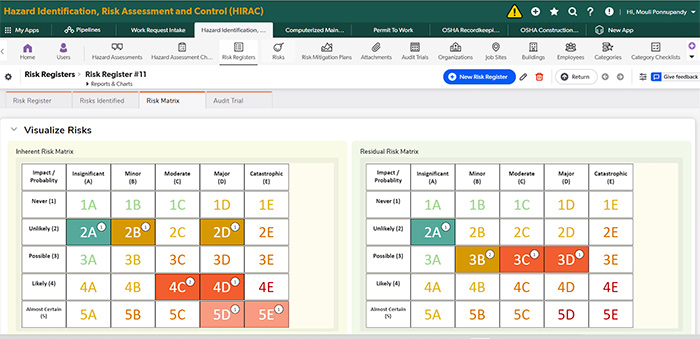
Digital transformation isn’t about adding new tools. It’s about connecting the people, systems, and data you already have, so teams can see what’s happening and act on it in real time.
Put simply, data is only valuable when it’s visible and actionable. When operational data lives in silos, safety reports, telematics, maintenance logs, camera footage, training records, early warnings that could prevent equipment failures or safety incidents often go unseen until it’s too late. For instance, a missed inspection or outdated record could quickly lead to downtime, wasted supply, or compliance penalties.
According to the U.S. Bureau of Labor Statistics, the transportation and warehousing sector has the highest rate of workplace injuries, an important reminder that visibility isn’t just about performance, it’s about protecting people from harm. When communication and data sharing break down, so does safety. Each delayed report or lost form adds friction in a system where details determine outcomes.
The question every company should ask this year: What’s our supply-chain strategy for the next safety incident? If your plan is, “We’ll deal with it when it happens,” you’re already behind.
Proactive safety means building early detection and real-time response into the fabric of your operations. Two proven approaches stand out:
1. Real-time digital “eyes and ears.”
Telemetry and driver-camera data provide immediate visibility into operations. When camera events feed learning systems, they can automatically trigger coaching, assign remedial training, or alert management if a driver’s behavior changes. The result: fewer accidents, shorter resolution times, and stronger safety culture across the fleet.
2. Step-by-step digital work instructions.
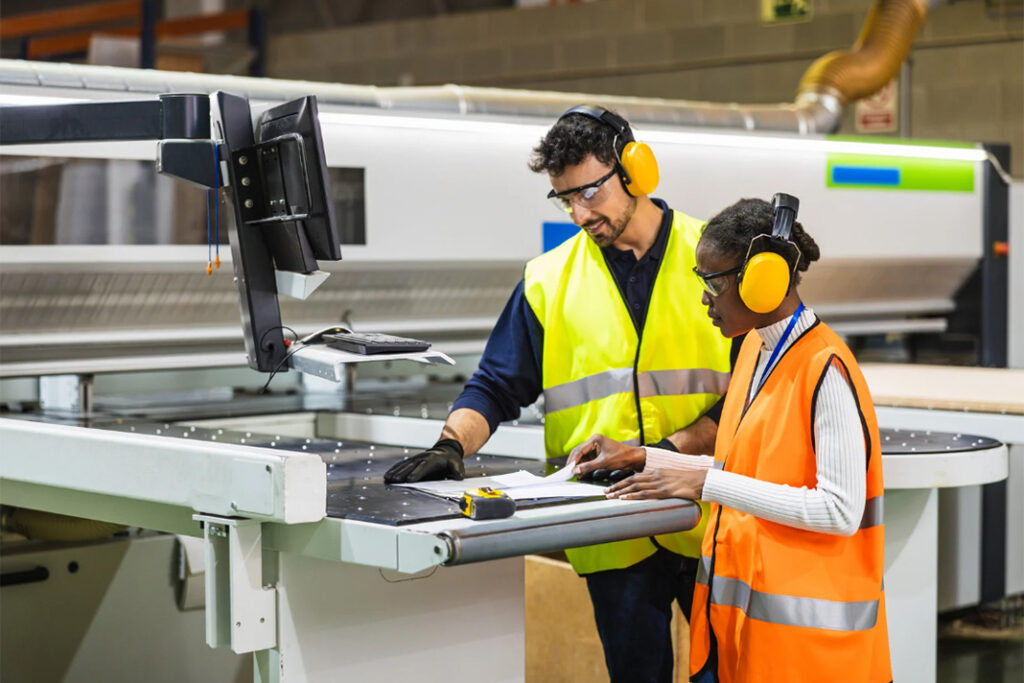
Labor shortages and skills gaps add another layer of risk. With newer workers entering the field and experienced operators stretched thin, digital SOPs and real-time approvals help keep work consistent and safe. Digitized instructions, training modules, and AR/VR-based onboarding reduce variability and errors while letting skilled operators focus on oversight and mentoring.
These changes do more than reduce risk, they build operational confidence when teams know what’s happening, what to do next, and where to improve.
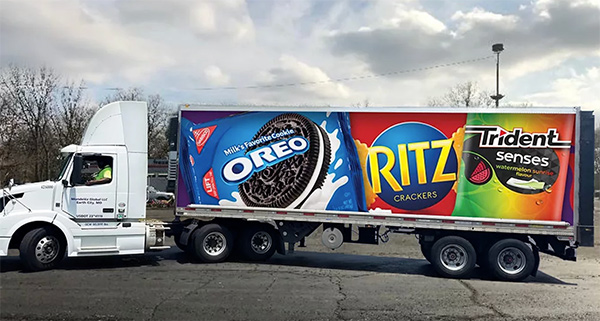
Few industries feel the strain of disruption like food and beverage. Perishables rely on a fragile web of suppliers, distributors, and regulations, which means resilience is essential.
Take Mondelēz International, the company behind Oreo, Chips Ahoy, and Trident, who faced this challenge firsthand. With nearly 2,000 field and logistics employees and a large U.S. fleet, the company’s data was fragmented across multiple systems: telematics, camera footage, safety reports, and training records. Using Quickbase, Mondelēz built a configurable fleet-management application that unified safety and fleet data into live workflows. The platform delivered:
The results were tangible. Preventable crashes dropped 39%, and vehicle repair costs fell 10%. By connecting systems and workflows, Mondelēz turned data into prevention, and prevention into measurable savings.
While every operation is unique, one truth stands: you can’t manage what you can’t see, and you can’t improve what isn’t connected.
Here are five lessons for leaders looking to build lasting resilience:
The next era of industrial excellence won’t come from adding more software. It will come from connecting what’s already there: systems, people, and insights working in sync.
The organizations that can see, adapt, and act in real time will protect not only their people and supply chains, but also the trust they’ve built over decades of doing the work right.
Resilience isn’t a project; it’s a practice. And the companies that make it part of their daily operations will be ready for whatever comes next.

About the Author:
Marcus Torres is Chief Product Officer (CPO) at Quickbase. He brings more than 20 years of product experience in SaaS, including leadership roles at ServiceNow, Salesforce, and Twilio. Marcus has extensive experience in building no-code/low-code products, blending customer needs with innovation, such as AI, and scaling them across industries and markets. In his role as CPO, he leads product and design teams, focusing on strategy, roadmap, and customer experience to shape the evolution of Quickbase’s platform in the agentic age to deliver more value faster.

Industry in Transition: The Forces Reshaping Manufacturing
As manufacturers offer more customization than ever before, managing product complexity has become a critical challenge. Tune in with Dan Joe Barry, Vice President of Product Marketing at Configit, who explores how companies are tackling the growing number of product configurations across engineering, sales, manufacturing, and service. He explains how Configuration Lifecycle Management (CLM) helps organizations maintain a single source of truth for configuration data. The result: fewer errors, faster quoting, and the ability to deliver customized products at scale.
Get In Touch
Google news and SEO compliant, Industry Today’s state-of-the-art digital media platform offers bespoke media campaigns that target key decision makers and buyers to achieve your marketing and promotional goals.

Contribute
Showcase your brand and promote your business to our highly targeted audience. We offer detailed Google Analytics with measurable ROI to assure success. Submit your content for review by our Editorial team who will contact you to discuss the project further.
About Us
Reach Your Targeted Audience and Grow Your Business. Learn more About Industry Today.
Contact Us

© 2026 Industry today. All Rights reserved.