Volume 28 | Issue 4
Click here to read the complete illustrated article or continue below to read the text article.
By Kevin R. Webb, Executive Director, Mitsubishi Electric America Foundation
As the manufacturing industry continues to face a growing skilled labor shortage and with AI driving a rise in tech-centric roles, the need to attract, prepare and retain the next generation of tech savvy talent has never been greater. It is estimated that 3.8 million manufacturing jobs will need to be filled by 2033, with as many as half potentially going unfilled due to a lack of qualified candidates. This challenge threatens not only productivity and innovation, but also the long-term competitiveness of the U.S. manufacturing landscape.
Manufacturing has long been the backbone of American progress, powering industries that drive everything from transportation and energy to healthcare and technology. Yet as automation, digital transformation, and global competition reshape the field, the sector as a whole faces both the economic and the human challenge of how to meet workforce demand while building an inclusive talent pipeline. The next decade will require not only more skilled workers but also a broader definition of who belongs in the manufacturing workforce.
At Mitsubishi Electric America Foundation (MEAF), we believe that part of the solution lies in expanding access to career pathways, particularly for youth with disabilities. Through our Access to Careers in Technology and the Trades Initiative, MEAF works to bridge the gap between education and industry by supporting programs that prepare young people for high in demand jobs in industries such as advanced manufacturing, cybersecurity, health technology, and more.
This focus reflects a belief that inclusion and innovation go hand in hand. By helping youth with disabilities gain the technical and professional skills needed to thrive in high-demand industries, the initiative is not only empowering individuals but helping the industry as a whole tap into a valuable source of creativity.
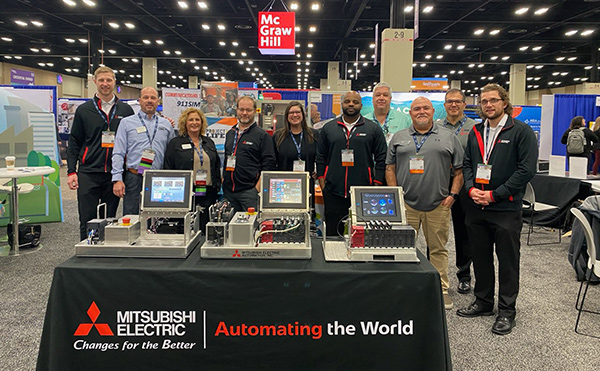
Through its Access to Careers in Technology and the Trades Initiative, MEAF takes a three-pronged approach to workforce inclusion: expanding access to careers, preparing students for technology-driven roles, and opening doors to skilled trades.
This approach recognizes that inclusion must happen across the entire career pipeline. From raising awareness and providing early exposure, to equipping youth with hands-on experience, and lastly, connecting them with employers ready to hire diverse talent.
Access to Careers: The Foundation supports programs that raise awareness of the capabilities of youth with disabilities and introduces them to manufacturing and engineering pathways.
For many participants, these programs are transformational. Exposure and mentorship are powerful drivers of confidence and career interest.
Careers in Technology: The Foundation supports programs that are training youth for technology roles that increasingly power the manufacturing industry.
By supporting these programs, MEAF is helping to meet the industry’s rising demand for tech-enabled roles. As manufacturing continues to become more data-driven, skills in coding, quality control, and cybersecurity are equally essential as those in machine or engineering. The inclusion of youth with disabilities in this tech-forward workforce opens new opportunities for innovation.
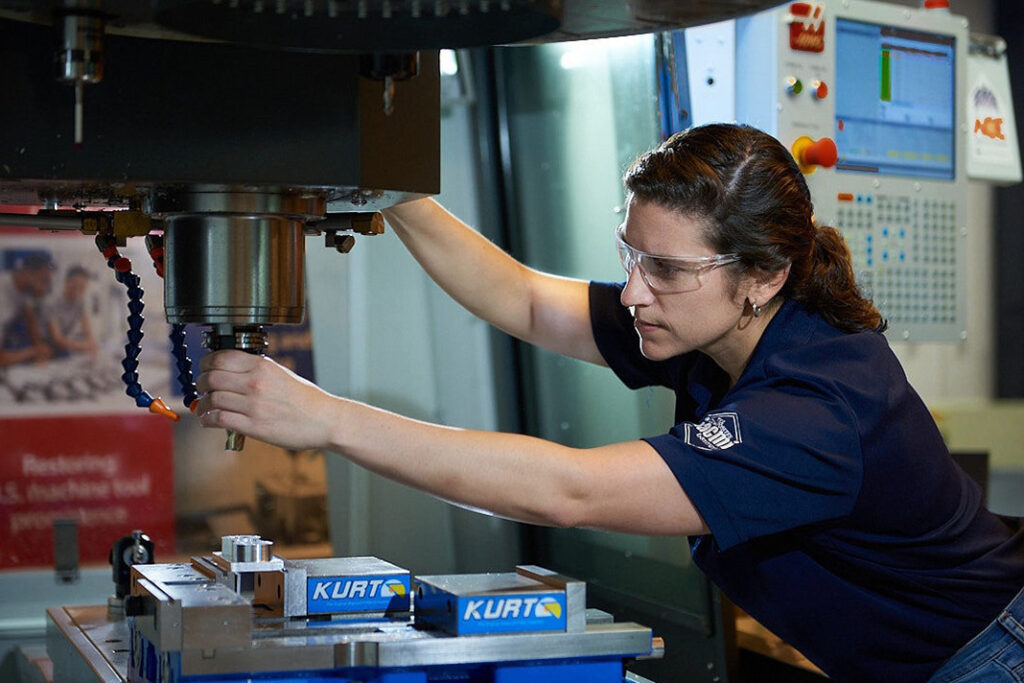
Careers in the Trades: MEAF is also investing in programs that connect youth to skilled manufacturing careers through industry-recognized training.
These efforts are helping redefine what exactly it means to be “workforce ready”. By embedding accessibility and universal design into training and curriculum development, MEAF and its partners are helping employers recognize ability over limitation and helping students gain skills that translate directly into sustainable careers.
The manufacturing workforce challenge is not one that any single organization can solve alone. By combining education, workforce development, and industry partnerships, MEAF is helping to create scalable and inclusive solutions that address both social and economic needs.
Ed Dernulc, Director of Spark Force, the Foundation of the Fabricators and Manufacturers Association, lays out the issue: “The issue that drives us today? It’s really simple. There are skill gaps that manufacturers are looking for… and it’s growing. Five percent of the workforce in manufacturing is headed to retirement in five years, and there is no one behind them.”
Through partnerships like these, MEAF and its grantees are helping to fill that gap by opening doors to a broader, more diverse talent pool.
Collaboration is at the heart of MEAF’s model. The Foundation helps align goals across sectors, ensuring that training programs reflect real-world industry needs and that employers are equipped to recruit and support diverse talent. This integrated approach strengthens both communities and the economy at large.
Manufacturing is changing rapidly, with new automations and technologies appearing constantly. Meeting this moment and industry where its at requires new thinking surrounding who can succeed in the field, and the right way to prepare those people.
Through the fostering of inclusive training programs and connecting educators with employers, MEAF is helping ensure the next generation of manufacturing workers have both the opportunity and the skills to thrive.
As the industry moves forward, inclusion isn’t just a value, it’s a competitive advantage and the future of the workforce.
2025 marks the 35th anniversary of the Foundation’s mission to empower youth with disabilities to lead productive lives. Since 1990, MEAF has invested more than $30 million in grants and volunteer support, helping over 65,000 young people successfully transition from school into the competitive workforce.
To mark this milestone, MEAF convened its stakeholders, including board members, Mitsubishi Electric employee volunteers, and grants recipients, on October 7, 2025, at the Perkins School for the Blind in Boston, Massachusetts.
The gathering celebrated MEAF’s impact to date and explored how partnerships among education, nonprofits, and industry alike can fill critical workforce gaps.
Over the past three and a half decades, MEAF’s work has evolved alongside the nation’s workforce needs. What began as a commitment to fostering inclusion in local communities has grown into a national effort. Yet the Foundation’s work has consistently centered on the goal of helping young people build independent and meaningful careers.
The Foundation continues to invest grant funding into innovative and promising programs that directly work to prepare youth with disabilities for jobs where skilled workers are desperately needed. However, MEAF doesn’t just fund one-off programs, it works to bring grant recipients together with educators and industry to collaborate and ensure the youth gain the skills they need to succeed, and employers have the tools they need to effectively utilize this often untapped talent pool.
As MEAF looks ahead, it remains committed and dedicated to building a more inclusive and empowered workforce.
About the Author:
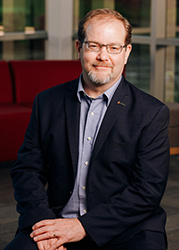
Kevin R. Webb leads environmental sustainability and social impact efforts in the Americas region at Mitsubishi Electric. He is also responsible for national grantmaking and corporate employee volunteer programs as Executive Director of the Mitsubishi Electric America Foundation. The Foundation’s vision is to empower youth with disabilities to lead productive lives by building a pipeline of talent to help create a more inclusive and sustainable society for all. Webb serves as a trustee with the Consumer Technology Association Foundation, which links seniors and people with disabilities with technologies to enhance their lives. He holds a BA in International Studies and an MA in Public Administration from The Ohio State University.
Industry in Transition: The Forces Reshaping Manufacturing
As manufacturers offer more customization than ever before, managing product complexity has become a critical challenge. Tune in with Dan Joe Barry, Vice President of Product Marketing at Configit, who explores how companies are tackling the growing number of product configurations across engineering, sales, manufacturing, and service. He explains how Configuration Lifecycle Management (CLM) helps organizations maintain a single source of truth for configuration data. The result: fewer errors, faster quoting, and the ability to deliver customized products at scale.
Get In Touch
Google news and SEO compliant, Industry Today’s state-of-the-art digital media platform offers bespoke media campaigns that target key decision makers and buyers to achieve your marketing and promotional goals.

Contribute
Showcase your brand and promote your business to our highly targeted audience. We offer detailed Google Analytics with measurable ROI to assure success. Submit your content for review by our Editorial team who will contact you to discuss the project further.
About Us
Reach Your Targeted Audience and Grow Your Business. Learn more About Industry Today.
Contact Us

© 2026 Industry today. All Rights reserved.