Outdoor living has become more than just a trend — it’s a lifestyle.
By The Deck Store
Whether homeowners are relaxing with friends, hosting barbecues, or simply unwinding in a quiet evening breeze, their deck often becomes the heart of the home’s exterior experience. One essential element that blends safety, utility, and design is the deck railing.
A well-chosen railing system does more than provide a boundary — it frames views, complements architectural style, and ensures safety. Innovations in materials and engineering now allow railing systems to be as visually seamless as they are structurally sound.
Modern railings come in aluminum, steel, cable, glass, and composite variants. Each offers distinct advantages:
The choice depends on the homeowner’s priorities — whether it’s maximum visibility, architectural harmony, or long-term durability.
Several trends are shaping the deck railing industry:
At The Deck Store, we focus on offering railing solutions that meet both aesthetic and performance standards. Our product lines are selected for:
We support contractors and homeowners with technical resources, installation guides, and customer service to ensure each deck railing installation is smooth, safe, and visually pleasing.
To browse a wide selection of railing systems and compare styles and materials, visit our railing collection at deck railing.
From sleek cable infill kits to robust aluminum baluster systems, our options are engineered to deliver performance, curb appeal, and long-term satisfaction.
Disclaimer (Ad): This article is sponsored by The Deck Store and intended to inform readers about modern deck railing systems.

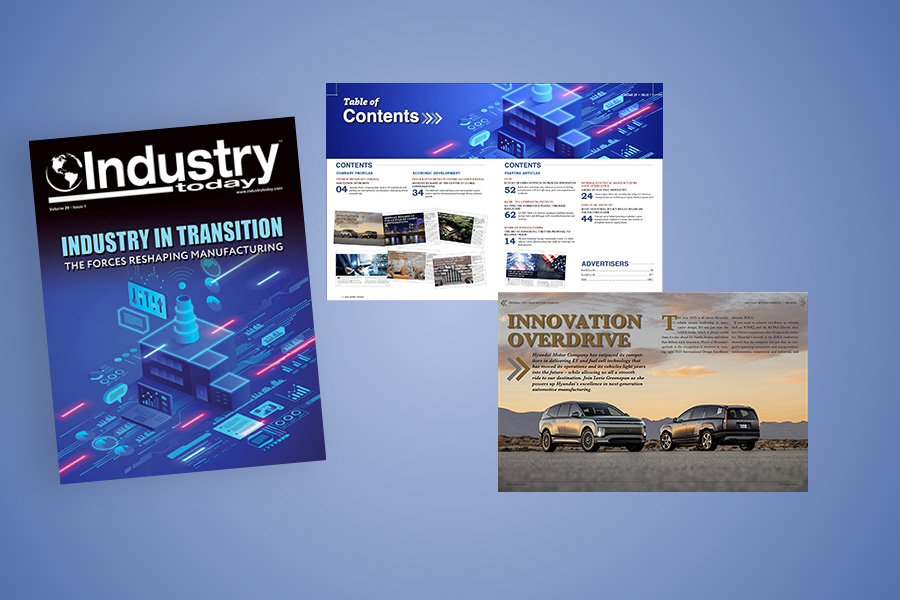
Industry in Transition: The Forces Reshaping Manufacturing
As manufacturers offer more customization than ever before, managing product complexity has become a critical challenge. Tune in with Dan Joe Barry, Vice President of Product Marketing at Configit, who explores how companies are tackling the growing number of product configurations across engineering, sales, manufacturing, and service. He explains how Configuration Lifecycle Management (CLM) helps organizations maintain a single source of truth for configuration data. The result: fewer errors, faster quoting, and the ability to deliver customized products at scale.
Get In Touch
Google news and SEO compliant, Industry Today’s state-of-the-art digital media platform offers bespoke media campaigns that target key decision makers and buyers to achieve your marketing and promotional goals.

Contribute
Showcase your brand and promote your business to our highly targeted audience. We offer detailed Google Analytics with measurable ROI to assure success. Submit your content for review by our Editorial team who will contact you to discuss the project further.
About Us
Reach Your Targeted Audience and Grow Your Business. Learn more About Industry Today.
Contact Us

© 2026 Industry today. All Rights reserved.