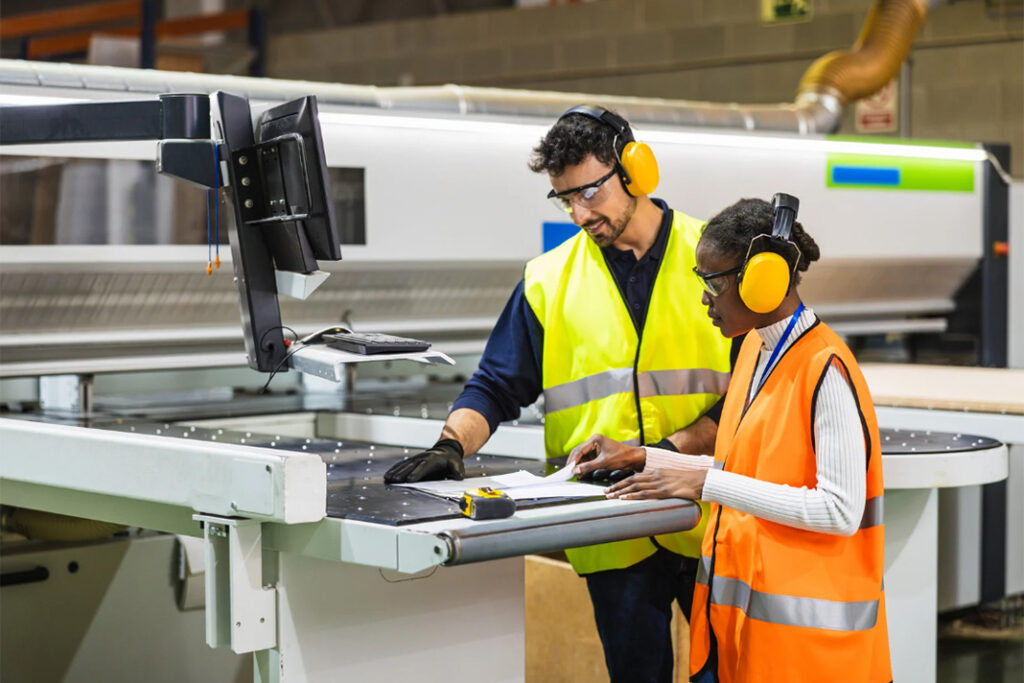
Why workplace hygiene is becoming a strategic priority for modern businesses.
In today’s business environment, workplace hygiene is no longer viewed simply as a routine operational task. Instead, it has become a strategic priority for organizations across industries. From manufacturing facilities and warehouses to office buildings and retail environments, companies increasingly recognize that maintaining high sanitation standards directly affects employee well-being, operational efficiency, and corporate reputation.
This shift reflects broader changes in how organizations approach workplace management. Hygiene practices are now closely connected to health and safety policies, sustainability strategies, and employee experience initiatives. As a result, businesses are investing more resources in modern sanitation infrastructure, reliable facility supplies, and improved maintenance systems.
Clean and well-maintained work environments play a significant role in employee productivity. Poor sanitation can contribute to the spread of illness, increase absenteeism, and create uncomfortable working conditions that affect morale and performance.
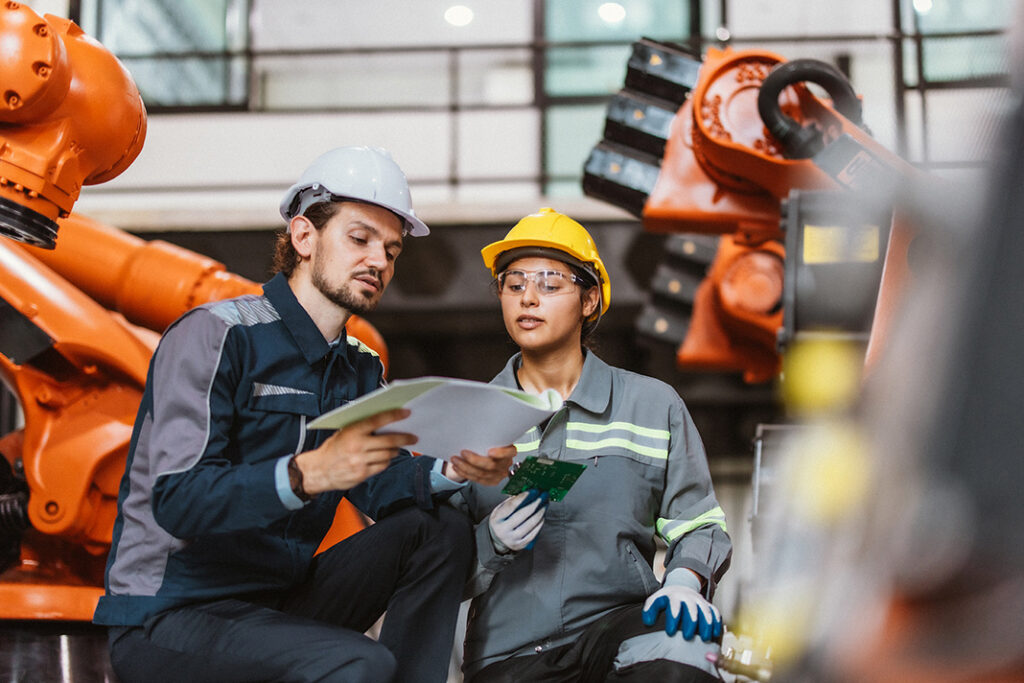
In industrial and commercial settings, where employees often share equipment, workstations, and communal spaces, maintaining proper hygiene is essential for minimizing health risks. Even relatively minor improvements in sanitation procedures can have a measurable impact on workforce health and operational continuity.
Research from the World Health Organization (WHO) highlights that effective workplace hygiene practices help reduce the transmission of infectious diseases and improve overall employee well-being. Organizations that invest in sanitation infrastructure often experience fewer disruptions caused by illness-related absences and workplace health issues.
Beyond health considerations, cleanliness also contributes to psychological comfort. Employees tend to feel more motivated and confident in environments that are visibly well maintained. A clean workplace signals that an organization values the safety and well-being of its workforce.
For modern businesses, hygiene management is closely connected to operational efficiency. Facilities that implement structured sanitation systems are better able to maintain consistent standards across large spaces and high-traffic areas.
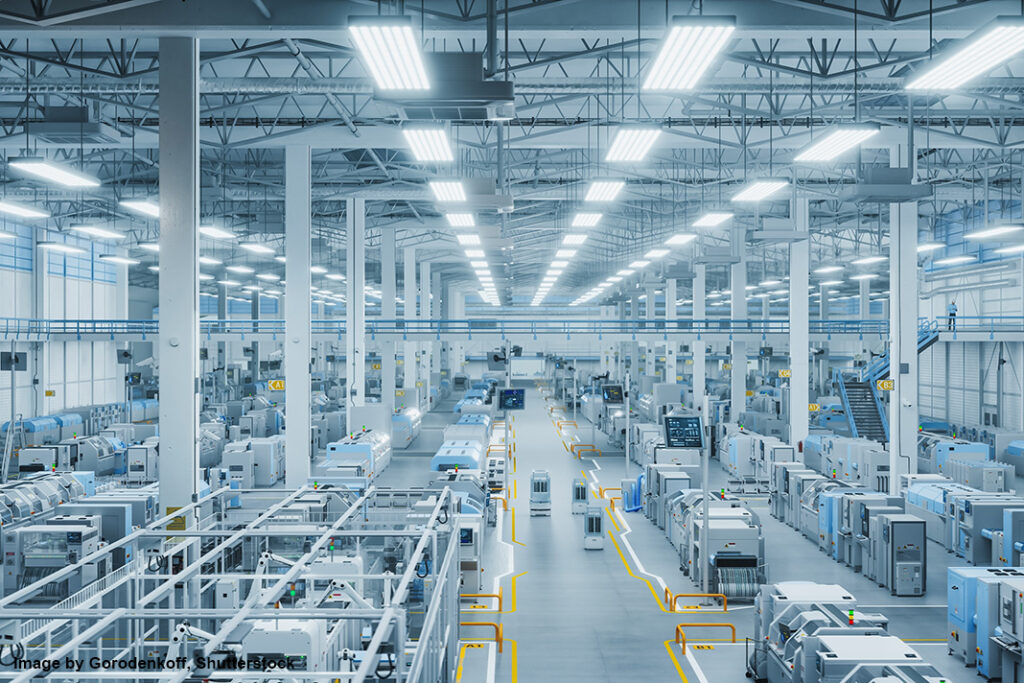
Manufacturing environments, logistics centers, and commercial buildings often involve complex workflows that require reliable cleaning routines and well-organized supply management. When sanitation supplies are poorly managed or equipment fails frequently, maintenance teams may spend excessive time addressing routine issues instead of focusing on higher-priority operational tasks.
Modern hygiene infrastructure helps address these challenges. Durable dispensers, high-capacity sanitation systems, and organized supply distribution can streamline maintenance operations while reducing unnecessary material waste.
Businesses are therefore increasingly treating hygiene systems as an integral component of facility management rather than an afterthought.

Maintaining consistent hygiene standards requires dependable equipment and high-quality sanitation products. Businesses often rely on specialized manufacturers that design hygiene solutions for commercial and industrial environments.
Reliable suppliers help organizations maintain consistent sanitation performance across multiple locations while ensuring that maintenance teams have access to durable, efficient equipment.
Companies such as Golden Group International serve this role by manufacturing hygiene, sanitation, and facility supply products used in commercial and industrial environments. By providing dependable sanitation infrastructure and facility supplies, manufacturers like Golden Group International help businesses maintain cleaner workplaces while supporting efficient facility management.
When sanitation systems are designed for durability and efficiency, organizations can reduce maintenance downtime, minimize supply waste, and ensure consistent hygiene standards across their operations.
Workplace hygiene also plays an important role in shaping how companies are perceived by employees, customers, and business partners. In industries where facilities are frequently visited by clients, vendors, or inspectors, sanitation standards can influence professional credibility.
For example, manufacturing plants, logistics hubs, and commercial offices are often evaluated during safety audits or compliance inspections. Facilities that demonstrate strong hygiene practices are more likely to meet regulatory requirements and maintain positive relationships with partners and stakeholders.
Clean environments also reinforce a company’s internal culture. Employees who see that management prioritizes hygiene and safety are more likely to trust organizational leadership and feel confident in workplace policies.
In this way, sanitation infrastructure contributes not only to operational health but also to corporate reputation and workplace culture.
Many industries operate under strict health and safety regulations that require organizations to maintain sanitary working environments. Compliance with these standards is essential for avoiding legal risks and ensuring employee protection.
Industrial facilities, for instance, often include areas where workers handle materials, machinery, or products that must remain free from contamination. Proper sanitation practices help ensure that these environments remain safe and compliant with regulatory requirements.
Structured hygiene systems can also simplify compliance efforts. Clearly organized sanitation stations, well-maintained equipment, and consistent supply availability make it easier for employees to follow hygiene protocols.
By investing in reliable sanitation infrastructure, businesses can strengthen both workplace safety and regulatory compliance.
Workplace hygiene also contributes to the overall employee experience. In modern organizations, employee well-being is increasingly viewed as a key factor in recruitment, retention, and organizational performance.
Clean restrooms, sanitized workspaces, and accessible hygiene supplies demonstrate that an employer takes employee health seriously. These visible signals can strengthen workplace satisfaction and contribute to a more positive organizational culture.
For companies competing to attract skilled workers, maintaining high standards of cleanliness can become part of a broader strategy to create healthier and more supportive workplaces.
As businesses continue to modernize their operations, hygiene infrastructure will likely remain a strategic focus area. Advances in sanitation technology, facility management systems, and sustainable product design are helping organizations maintain cleaner environments while improving operational efficiency.
In the future, hygiene systems may increasingly integrate with smart facility technologies that monitor supply levels, track maintenance needs, and optimize cleaning schedules. These innovations could allow businesses to manage sanitation more effectively while reducing resource waste. Research from organizations such as the International Facility Management Association (IFMA) highlights how digital facility management tools and modern sanitation infrastructure are becoming key components of efficient workplace operations.
Ultimately, workplace hygiene has evolved from a routine maintenance responsibility into a strategic component of modern business operations. Organizations that prioritize sanitation infrastructure, reliable facility supplies, and effective hygiene policies are better positioned to protect employee health, maintain operational stability, and build stronger workplace cultures.
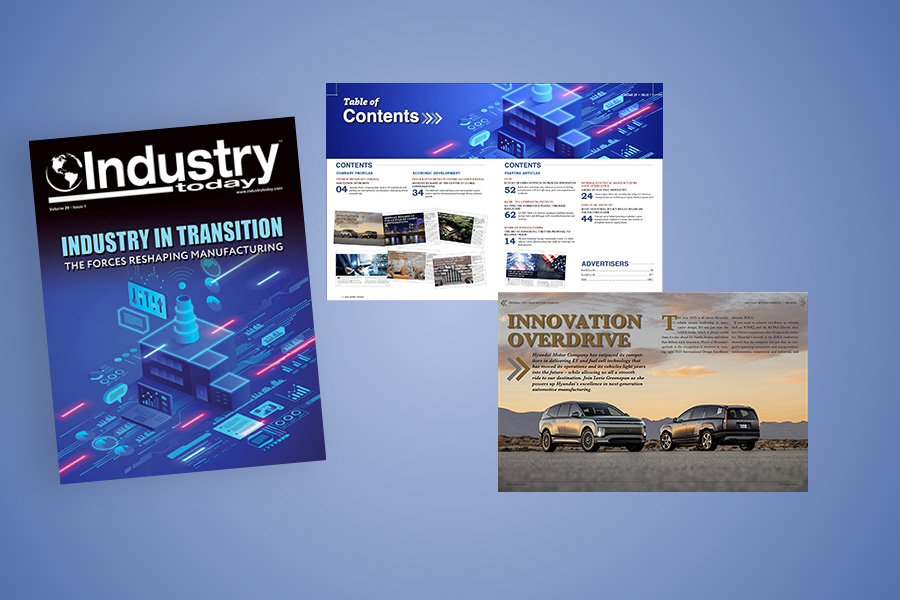
Industry in Transition: The Forces Reshaping Manufacturing
As manufacturers offer more customization than ever before, managing product complexity has become a critical challenge. Tune in with Dan Joe Barry, Vice President of Product Marketing at Configit, who explores how companies are tackling the growing number of product configurations across engineering, sales, manufacturing, and service. He explains how Configuration Lifecycle Management (CLM) helps organizations maintain a single source of truth for configuration data. The result: fewer errors, faster quoting, and the ability to deliver customized products at scale.
Get In Touch
Google news and SEO compliant, Industry Today’s state-of-the-art digital media platform offers bespoke media campaigns that target key decision makers and buyers to achieve your marketing and promotional goals.

Contribute
Showcase your brand and promote your business to our highly targeted audience. We offer detailed Google Analytics with measurable ROI to assure success. Submit your content for review by our Editorial team who will contact you to discuss the project further.
About Us
Reach Your Targeted Audience and Grow Your Business. Learn more About Industry Today.
Contact Us

© 2026 Industry today. All Rights reserved.