How the Lehigh Valley defies workforce shortages with award-winning strategies.
The United States is facing a shortage of skilled workers, specifically within its manufacturing sector, which could result in 2.1 million unfilled jobs by 2030. But contrary to national trends, one Pennsylvania region is seeing its manufacturing workforce grow and its thanks to award winning talent strategies.
With the lowest unemployment rate since 2001, Lehigh Valley led Pennsylvania’s pandemic jobs recovery, and jobs exceed the number before the pandemic, with employment in its manufacturing sector outpacing the nations. The sector now employs 36,000 in Lehigh and Northampton counties and the larger metro region produced an output of $8.4 billion in 2021 and accounts for 18% of the region’s record $47 billion GDP. The region also captured significant expansions within the last two years, including Air Products (employing approximately 2,000), B. Braun Medical (employing 2,000) and Evonik (creating 50 new jobs).
But not just any talent can do the job – to be able to offer the right talent, specific skillsets are sought by local employers. Here’s how Lehigh Valley is ensuring that:
Lehigh Valley’s success in bridging the workforce gap serves as a blueprint for other regions striving to navigate the complex landscape of modern employment. Through collaboration, education, innovation, and a commitment to lifelong learning, the region has positioned itself for sustained economic growth and prosperity. As technology continues to reshape industries, the Lehigh Valley’s journey offers valuable lessons on adaptability and the power of community-driven solutions.
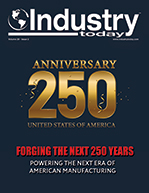
Forging the Next 250 Years: Powering the Next Era of American Manufacturing
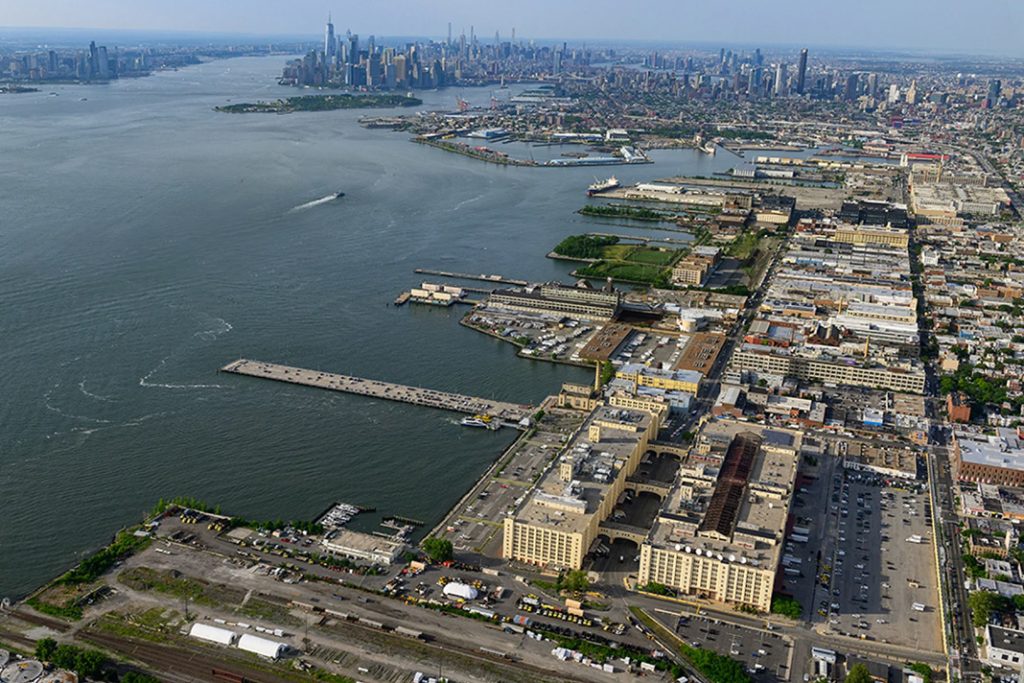
Brooklyn Army Terminal (BAT) began as a World War II-era military supply base. Today it is New York City’s largest publicly owned industrial campus, with 59 waterfront acres, more than 4 million square feet and over 100 businesses. In this episode of Industry Insights, Bridget Chansakul, Vice President of Leasing & Portfolio Management at NYCEDC, explains what space is available and what’s planned for the 250,000+ square feet of new industrial space in Building A. She also covers how the ferry, parking and on-site childcare help tenants hire and keep workers, along with workforce partnerships, City incentives for manufacturers and where BAT is headed next.
Get In Touch
Google news and SEO compliant, Industry Today’s state-of-the-art digital media platform offers bespoke media campaigns that target key decision makers and buyers to achieve your marketing and promotional goals.

Contribute
Showcase your brand and promote your business to our highly targeted audience. We offer detailed Google Analytics with measurable ROI to assure success. Submit your content for review by our Editorial team who will contact you to discuss the project further.
About Us
Reach Your Targeted Audience and Grow Your Business. Learn more About Industry Today.
Contact Us

© 2026 Industry today. All Rights reserved.