5 brilliant tips to increase the effectiveness of your social media marketing strategy.
Social networking sites are powerful marketing platforms. Proper use of Facebook, Instagram, Twitter, Pinterest, and LinkedIn can increase your online visibility and bolster your reputation. The biggest downside to this kind of marketing is that it is affordable and accessible to everyone, meaning you have to understand the social media do’s and don’ts to stand out. We did our research and came up with these five tips that we believe can increase the effectiveness of any social media marketing strategy:
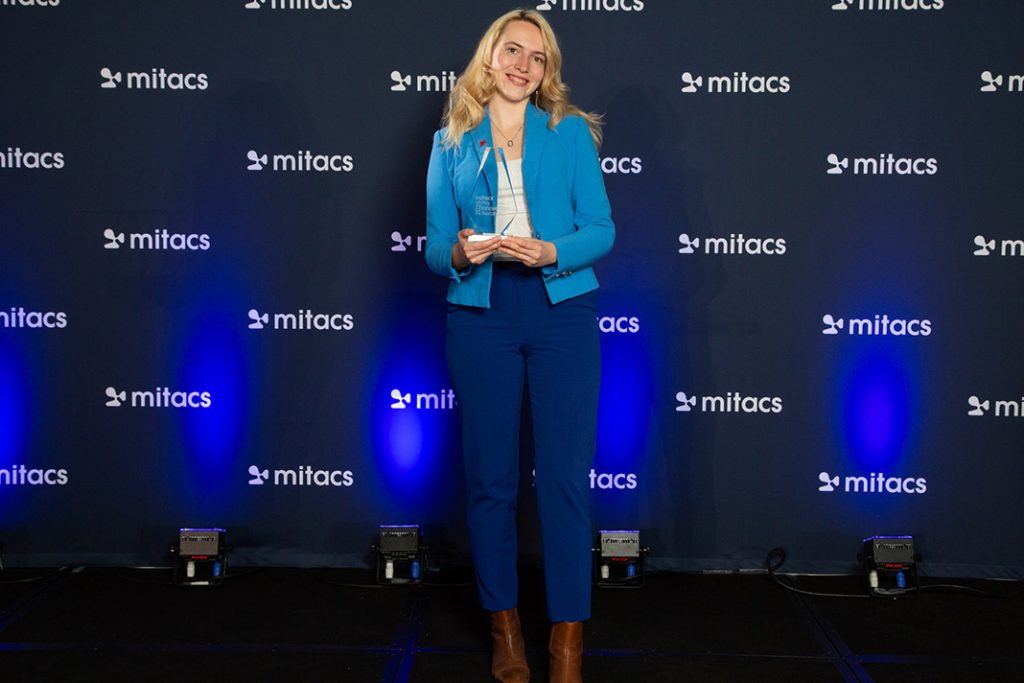
So, what gives you the edge on the competition? Where is your uniqueness? Find it and flaunt it. Share links to web content and blog posts about your exploits. If you have been awarded or recognized by a top awards brand, put it in your social media profile and share any third-party content highlighting the achievement.
Artificial intelligence is being incorporated into many stages of marketing. You can use it to analyze the data from your social media platforms and automate subsequent campaigns.
Most digital CRM tools use artificial intelligence, but if you want a more effective AI strategy, you can get a company like AI Data Innovations to develop a personalized solution.
Social media is awash with marketers, some targeting the same audience as you. Your customers and prospects need to be reminded that you exist, meaning you have to post frequently. If possible, set a publishing schedule and adhere to it. You can start with, say, one post every two days at exactly 8 a.m., and increase your frequency slowly. You can even set days for different content types. For example, you can put up random visual posts on Mondays, Wednesdays, and weekends, and reserve Tuesdays, Thursdays, and Fridays for promotional content. Mixing entertainment posts and promotional content keeps your fans, particularly the new ones, engaged as they get to know your brand.
Merely posting engaging content doesn’t guarantee you success. As stated above, social media is a crowded space that benefits only the finest. A marketing funnel will help you track the movement of your prospects from the various platforms down to the sales pages. You will know which site is bringing in the most leads and which one is underperforming. You will also identify leaks on different stages of the funnel and seal them to streamline your strategy.
Attracting the initial following is perhaps the most challenging phase of social media marketing. Influencers can help you expedite the process and create a decent audience. Your work will be to identify influencers with fan bases similar to your target audience. The bottom line is to find someone who has a large following, understands your product, and is willing to show it to their audience. Budget frames should matter, but it’s wise to focus on usefulness first.
Use these tips to increase the effectiveness of your social media marketing strategy. It may take you a while to see results, but once they start trickling in, your growth curve will most likely assume a steeper trajectory.

Forging the Next 250 Years: Powering the Next Era of American Manufacturing
In this episode of Industry Insights, Ricky Watts, General Manager, Industrial and Robotics Division at Intel Corporation, explains why the Industry 4.0 groundwork manufacturers have been laying for years is now the foundation for AI at scale. He describes how IT and OT systems are finally coming together, and how agentic AI can pull data from the plant floor, the supply chain and the C-suite to find out why a production line is underperforming. Watts also covers why chips have become strategic infrastructure, the rise of physical AI and robotics in harsh industrial settings, and the skills tomorrow’s workforce will need. He finishes with a layered approach to cybersecurity in software-defined plants.
Get In Touch
Google news and SEO compliant, Industry Today’s state-of-the-art digital media platform offers bespoke media campaigns that target key decision makers and buyers to achieve your marketing and promotional goals.

Contribute
Showcase your brand and promote your business to our highly targeted audience. We offer detailed Google Analytics with measurable ROI to assure success. Submit your content for review by our Editorial team who will contact you to discuss the project further.
About Us
Reach Your Targeted Audience and Grow Your Business. Learn more About Industry Today.
Contact Us

© 2026 Industry today. All Rights reserved.