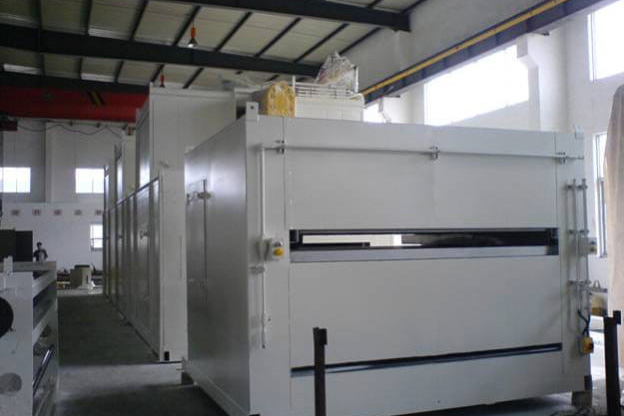
VFFS machines offer a wide range of benefits that make them essential in modern food packaging.
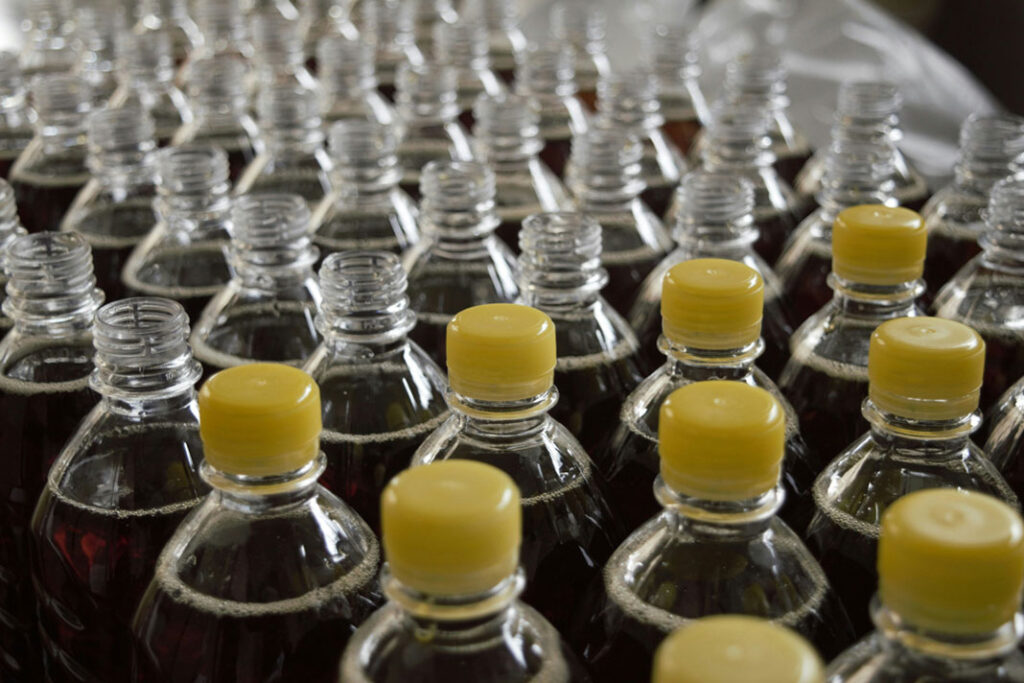
In today’s fast-paced food industry, efficiency and reliability are essential for staying competitive. One technology that has become increasingly important is the VFFS, or Vertical Form Fill Seal machine. VFFS systems are widely used in food packaging to form bags, fill them with product, and seal them in one continuous process. This streamlined approach has transformed how manufacturers package everything from snacks and grains to frozen foods and liquids, making production faster, safer, and more cost-effective.
One of the most notable benefits of using VFFS machines is their ability to improve production efficiency. Traditional packaging methods often require multiple separate steps and manual handling, which can slow down operations and increase the risk of errors. VFFS machines integrate forming, filling, and sealing into a single automated workflow. This allows manufacturers to package large volumes of products in a shorter time while maintaining consistent quality. High-speed operation means companies can meet growing demand without significantly increasing labour costs.
Consistency is another major advantage. In food packaging, even small variations in weight, seal strength, or bag size can lead to customer complaints and regulatory issues. VFFS machines are designed with precise controls that ensure each package meets predefined standards. Advanced sensors and computerised systems monitor every stage of the process, from measuring the product to sealing the bag. This level of accuracy reduces waste and helps maintain a strong brand reputation.
Flexibility is also a key reason why VFFS machines are so popular. Modern systems can handle a wide range of products, including powders, granules, solids, and liquids. With the right attachments and settings, a single machine can package different food items and bag styles. Manufacturers can easily switch between pillow bags, gusseted bags, or stand-up pouches with minimal downtime. This adaptability makes VFFS technology especially valuable in markets where product variety and customisation are important.
Cost efficiency is another important benefit. While the initial investment in a VFFS machine can be significant, the long-term savings often outweigh the upfront expense. Automation reduces the need for large packaging teams, lowering labour costs. Precise material handling minimises product loss and packaging waste. In addition, many VFFS systems are designed to use packaging films efficiently, reducing material consumption. Over time, these savings contribute to improved profit margins and more sustainable operations.
Food safety and hygiene are critical in any packaging environment, and VFFS machines are built with these priorities in mind. Most systems are constructed from stainless steel and other food-grade materials that are easy to clean and resistant to corrosion. Smooth surfaces and hygienic designs prevent the build-up of residue and bacteria. Many machines also support clean-in-place procedures, allowing thorough sanitation without extensive disassembly. This helps manufacturers comply with food safety regulations and protect consumers.
Shelf life extension is another valuable benefit associated with VFFS packaging. Many machines are compatible with technologies such as modified atmosphere packaging and vacuum sealing. These methods reduce oxygen levels inside the package, slowing down spoilage and preserving freshness. For products such as snacks, coffee, meat, and ready-to-eat meals, extended shelf life means fewer returns, less waste, and greater customer satisfaction.
VFFS machines also support sustainability goals, which are becoming increasingly important in the food industry. As consumers and regulators push for environmentally responsible practices, packaging must evolve. Modern VFFS systems can work with recyclable, compostable, and lightweight films. Their precision ensures that only the necessary amount of material is used for each bag, reducing excess plastic. By optimising material usage and minimising defects, these machines help companies reduce their environmental footprint.
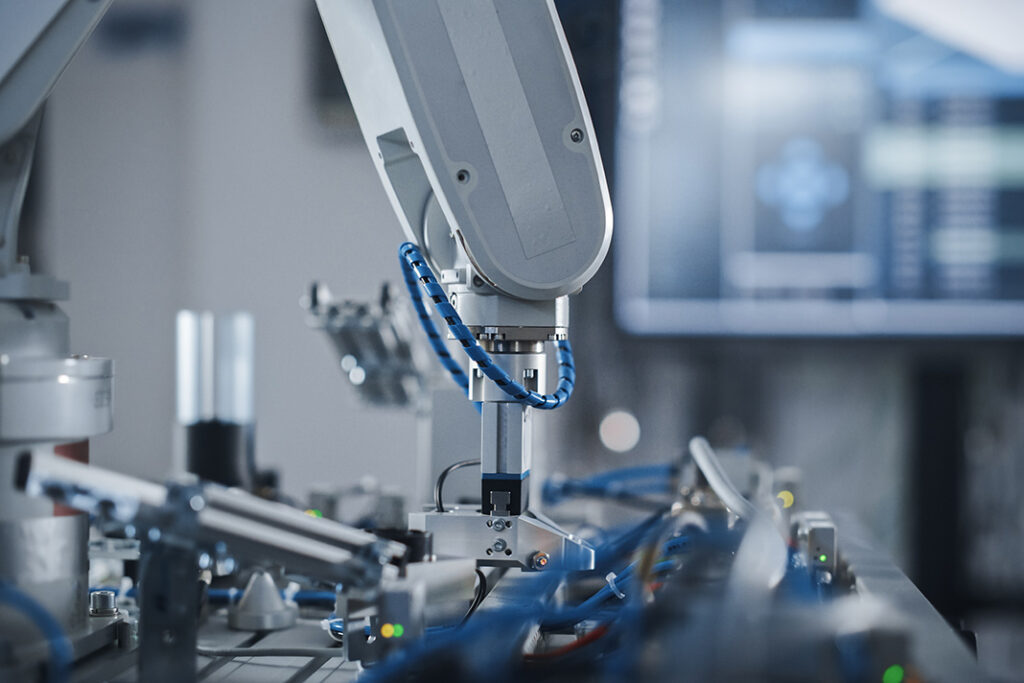
Another major advantage lies in the integration of digital technology. Many VFFS machines are now equipped with smart interfaces, remote monitoring capabilities, and data collection tools. Operators can track performance, detect potential issues, and adjust settings in real time. Predictive maintenance features help prevent unexpected breakdowns by identifying wear and tear early. This reduces downtime and ensures consistent production schedules.
Branding and presentation also benefit from VFFS technology. Packaging is often the first interaction a customer has with a product, and appearance matters. VFFS machines support high-quality printing and precise alignment of graphics, ensuring that logos, nutritional information, and promotional messages are clearly displayed. This professional look enhances shelf appeal and strengthens brand identity in competitive retail environments.
The rise of e-commerce has further increased the value of reliable packaging solutions. Products sold online must withstand shipping, handling, and storage without damage. VFFS machines can produce durable, well-sealed packages that protect food during transit. This reduces the risk of leaks, contamination, and customer dissatisfaction, which is especially important for online food retailers.
As technology continues to advance, VFFS machines are becoming even more intelligent and adaptable. Innovations such as artificial intelligence, improved sensors, and automated quality control systems are enhancing performance and reliability. These developments allow manufacturers to optimise production, reduce energy consumption, and respond more quickly to market changes.
In summary, VFFS machines offer a wide range of benefits that make them essential in modern food packaging. They improve efficiency, ensure consistent quality, reduce costs, support food safety, and contribute to sustainability efforts. Their flexibility and technological sophistication also help brands adapt to changing consumer preferences and distribution channels. By investing in VFFS technology, food manufacturers can strengthen their operations and position themselves for long-term success in an increasingly competitive industry.
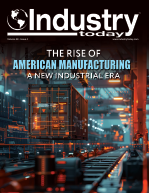
The Rise of American Manufacturing: A New Industrial Era
As manufacturers offer more customization than ever before, managing product complexity has become a critical challenge. Tune in with Dan Joe Barry, Vice President of Product Marketing at Configit, who explores how companies are tackling the growing number of product configurations across engineering, sales, manufacturing, and service. He explains how Configuration Lifecycle Management (CLM) helps organizations maintain a single source of truth for configuration data. The result: fewer errors, faster quoting, and the ability to deliver customized products at scale.
Get In Touch
Google news and SEO compliant, Industry Today’s state-of-the-art digital media platform offers bespoke media campaigns that target key decision makers and buyers to achieve your marketing and promotional goals.

Contribute
Showcase your brand and promote your business to our highly targeted audience. We offer detailed Google Analytics with measurable ROI to assure success. Submit your content for review by our Editorial team who will contact you to discuss the project further.
About Us
Reach Your Targeted Audience and Grow Your Business. Learn more About Industry Today.
Contact Us

© 2026 Industry today. All Rights reserved.