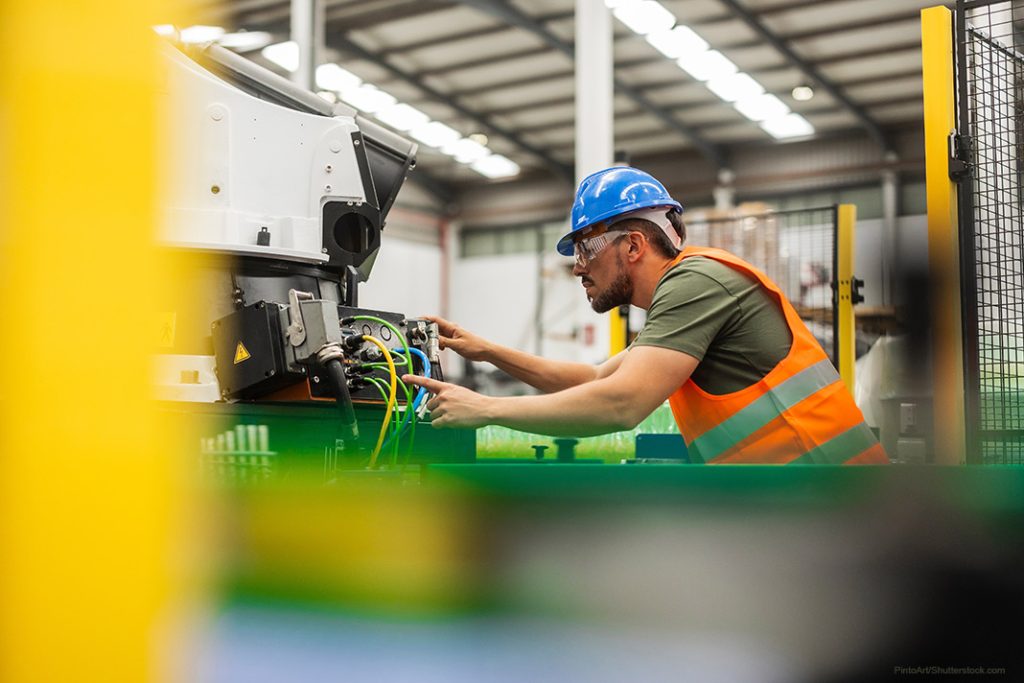
The biggest challenge in maintaining internal bake ovens (IBOs) is preventing and managing soiling and residue buildup.
The biggest challenge in maintaining internal bake ovens (IBOs) is preventing and managing soiling and residue buildup, especially in industrial settings where complex materials and high temperatures are involved. This buildup can impact oven functionality, efficiency, and safety, making it crucial to implement effective cleaning and maintenance strategies.
Oven components such as heating elements, conveyor systems, sensors, and seals can wear out, leading to uneven baking, increased energy consumption, and potential safety hazards. By investing in high-quality IBO components and adhering to a proactive maintenance schedule, you can optimize performance, reduce unexpected repairs, and maximize productivity.
To avoid operational disruptions due to component failures, you should have easy access high-quality IBO replacement parts, including Rollers, Bearings, Tracker Burners, Filters, Fiberglass Belts, Over Travel Sensors, Air Inlet Filters, Burners, and Belt Splice Kits.
Incorporating a preventative maintenance program and maintaining an inventory of spare parts will help ensure your IBO remains in peak operating condition. Regular inspections, proper documentation, and working with a trusted IBO service provider will further enhance performance and reliability.
At International Thermal Systems, we understand the critical role your IBO plays in your operation. We offer a full range of spare parts and expert service to keep your equipment running efficiently. Mention Promo Code: IBO10 to Receive 10% off components. Call us today to order: +1 (414) 672-7700 or email: css@itsllcusa.com

Forging the Next 250 Years: Powering the Next Era of American Manufacturing
In this episode of Industry Insights, Ricky Watts, General Manager, Industrial and Robotics Division at Intel Corporation, explains why the Industry 4.0 groundwork manufacturers have been laying for years is now the foundation for AI at scale. He describes how IT and OT systems are finally coming together, and how agentic AI can pull data from the plant floor, the supply chain and the C-suite to find out why a production line is underperforming. Watts also covers why chips have become strategic infrastructure, the rise of physical AI and robotics in harsh industrial settings, and the skills tomorrow’s workforce will need. He finishes with a layered approach to cybersecurity in software-defined plants.
Get In Touch
Google news and SEO compliant, Industry Today’s state-of-the-art digital media platform offers bespoke media campaigns that target key decision makers and buyers to achieve your marketing and promotional goals.

Contribute
Showcase your brand and promote your business to our highly targeted audience. We offer detailed Google Analytics with measurable ROI to assure success. Submit your content for review by our Editorial team who will contact you to discuss the project further.
About Us
Reach Your Targeted Audience and Grow Your Business. Learn more About Industry Today.
Contact Us

© 2026 Industry today. All Rights reserved.