Key steps manufacturers can take to manage cost, reduce risk, and strengthen insurance coverage heading into the 2026 renewal cycle.
By Dan Grant, senior director of loss control for Sentry®
As manufacturers plan for 2026, many of the issues identified by executives last year—economic uncertainty, supply chain issues, labor shortages, and rising litigation—continue to exert a significant toll on companies and are likely to do so in the year ahead.
Thoughtful consideration of your company’s insurance needs is always important, and may be even more so, during times of ongoing challenges. Your renewal is a strategic checkpoint to reassess operational changes, equipment investments, workforce shifts, and emerging exposures.
With the right preparation and collaboration, renewal is a chance to work with your insurer or agent to strengthen your business resilience and protect performance.
1. Economic and supply-chain volatility
Manufacturers are entering 2026 amidst continued uncertainty around tariffs, sourcing, and global demand. Shifting tariff structures increase the cost of materials and components, while trade tensions and geopolitical instability create ongoing unpredictability in production planning.
2. Labor and workforce challenges
Manufacturers continue to face hiring and retention obstacles that directly influence safety, productivity, and insurance costs.
3. Escalating litigation and liability exposure
Sentry found, in its 2025 C-Suite Stress Index, that 72% of executives worry about the financial impact of multimillion-dollar jury verdicts. Factors driving litigation risk include:
This environment is motivating many manufacturers to evaluate umbrella coverage, reassess limits, and strengthen company policies and documentation practices that help defend against claims.
No two manufacturers face the same set of exposures. Company size, production methods, technology adoption, fleet operations, and geography all shape risk. Before renewal discussions begin, manufacturers should take a comprehensive look at the following areas.
Commercial Auto
Rising bodily injury costs and multimillion-dollar jury verdicts have put pressure on commercial auto premiums across the country. Manufacturers with any over the road vehicles used for delivery or sales should assess:
A hypothetical example: Consider a manufacturer that begins using data from telematics to adjust driver behavior and training after several near-miss incidents. Over the next six months, the data show a significant reduction in hard-braking events, allowing the company to demonstrate measurable safety improvements during renewal discussions.
Technology, Automation, and Cybersecurity
As factories become increasingly connected, technology introduces both opportunity and exposure.
Manufacturers should review cyber coverage, equipment breakdown policies, and contingent business interruption coverage to ensure protection matches the level of technology embedded in operations.
Geographic and Weather-Driven Hazards
Location-based exposures—from tornadoes in the Central Plains to severe flooding in coastal regions to wildfires in the West—remain a primary driver of catastrophic loss.
Recent years show increasingly frequent convective storms and more expensive losses. Before renewal, evaluate building vulnerability, roof condition, and protective measures such as fire mitigation, wind-resistant upgrades, and hail guards.
Evolving Workplace Safety Risks
Manufacturing processes aren’t static. Safety considerations must evolve alongside operational changes, such as:
Ensure your insurer has full visibility into new processes, equipment additions, or production expansions.
Building Contents and Materials
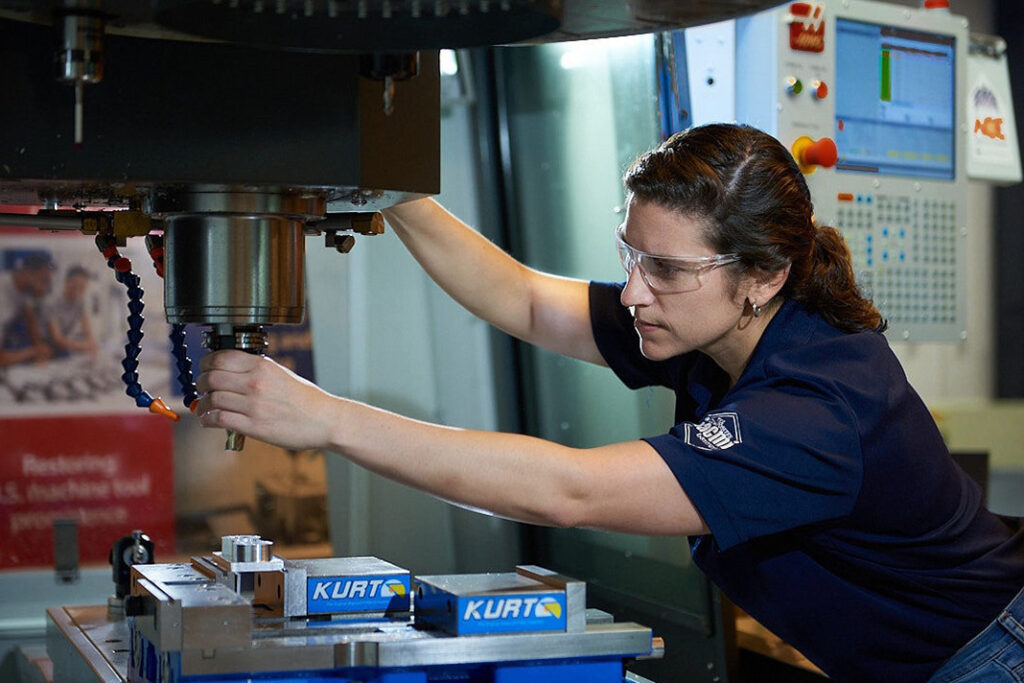
Manufacturers with high-value equipment—CNC machines, robotics, specialized tooling—should ensure replacement cost values reflect current market pricing to prevent being underinsured. Inventory volatility, particularly for specialty materials or component parts, should also be reconciled in advance of renewal.
A proactive dialogue with your insurance partner is the most effective way to ensure your coverage adapts to today’s operational realities.
The year ahead brings plenty of complexity for manufacturers—but also opportunities. Challenges will continue, but so will opportunities for modernization, operational growth, and business resilience. A thoughtful renewal strategy can be the steadying force that helps make that happen.
By starting early, taking a close look at exposures, and staying connected with your insurance partner, manufacturers can put themselves in a stronger position to manage rising costs, navigate new risks, and build long-term resilience. Renewal season isn’t just another task on the calendar—it’s a key moment to protect your business and set the stage for your next phase of growth.

About the Author
Dan Grant is senior director of loss control for Sentry, which insures manufacturers throughout the United States, and is part of one of the largest and most financially secure mutual insurance groups in the United States, holding an A+ (Superior) Financial Strength Rating from AM Best as of June 2025.
The Rise of American Manufacturing: A New Industrial Era
As manufacturers offer more customization than ever before, managing product complexity has become a critical challenge. Tune in with Dan Joe Barry, Vice President of Product Marketing at Configit, who explores how companies are tackling the growing number of product configurations across engineering, sales, manufacturing, and service. He explains how Configuration Lifecycle Management (CLM) helps organizations maintain a single source of truth for configuration data. The result: fewer errors, faster quoting, and the ability to deliver customized products at scale.
Get In Touch
Google news and SEO compliant, Industry Today’s state-of-the-art digital media platform offers bespoke media campaigns that target key decision makers and buyers to achieve your marketing and promotional goals.

Contribute
Showcase your brand and promote your business to our highly targeted audience. We offer detailed Google Analytics with measurable ROI to assure success. Submit your content for review by our Editorial team who will contact you to discuss the project further.
About Us
Reach Your Targeted Audience and Grow Your Business. Learn more About Industry Today.
Contact Us

© 2026 Industry today. All Rights reserved.