U.S. manufacturers are under pressure from all sides—rising energy costs, aging equipment, tight margins, and global competition.
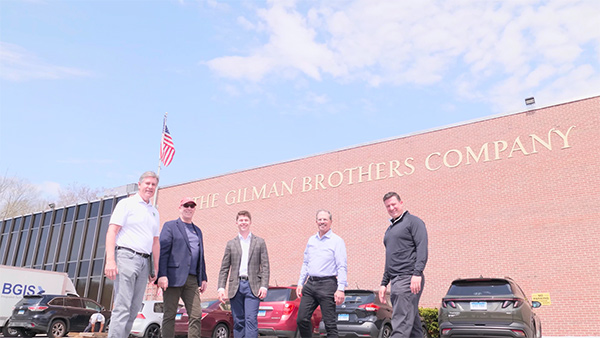
By Cyrus Gilman
Staying competitive today requires more than running efficient lines; it requires energy management that’s as precise as our production. In a world that depends on certainty – materials, schedules, outcomes – energy has always been one of manufacturing’s biggest and least predictable costs. Rates fluctuate, demand charges spike, and systems age. Even the most efficient operations are at the mercy of forces beyond the plant floor. For many manufacturers, that loss of predictability is deeply uncomfortable and increasingly unsustainable.
Our company has always treated energy as a strategic priority. Over a century ago, we even built our own utility, Bozrah Light and Power, to guarantee reliable, affordable power for our operations. For generations, that model worked. But the landscape has changed.
Today’s energy environment is digital, distributed, and fast-moving. It involves dynamic pricing, grid interaction, regulatory changes, and technologies that evolve every few years. Managing that complexity in-house isn’t just difficult; it’s distracting.
What was once a strength – complete control – is now a liability. The tools, data, and expertise required to manage modern energy systems are specialized, technical, and costly to maintain internally. At the same time, as renewables get cheaper, the old way of owning and maintaining all your own energy equipment doesn’t always make financial sense.
A lot of manufacturers in Europe are making this shift. In places like Spain, Germany, and Hungary, companies are ditching their fossil fuel boilers and purchasing Heat as a Service from specialized developers. It’s cheaper, more efficient, and one less thing they have to worry about.
The same logic applies here. As energy gets cheaper and less expensive, it also gets more complicated to manage. The companies that will stay ahead are the ones that focus on what they do best – produce products – and let the experts handle the energy.
This realization led us to rethink how we approach energy. Handing over parts of your operation to outside partners can feel counterintuitive in an industry built on precision control. But the truth is, holding on too tightly will stifle progress.
Our industry needs a model that helps modernize, stabilize costs, and improve reliability, without diverting focus from our capital away from our core operations. That’s the value of Energy as a Service (EaaS).
With our EaaS partner, we upgraded nine aging HVAC systems, installed a 750-kilowatt rooftop solar array, and converted the entire facility to LED lighting—a $1.5 million modernization project that we could have never financed on our own. The upgrades cut our emissions by 50% and reduced energy use by nearly 30%, with no upfront cost. The systems are monitored in real time, and performance issues are resolved automatically.
Since completing the installations, we’ve seen our monthly energy costs decrease by around $3,000 per month. These are savings we can reinvest in new equipment, training, and growth. Looking ahead, we can also opt into a virtual power plant program that would tell our HVAC systems to reduce load during peak demand, helping stabilize the local grid.
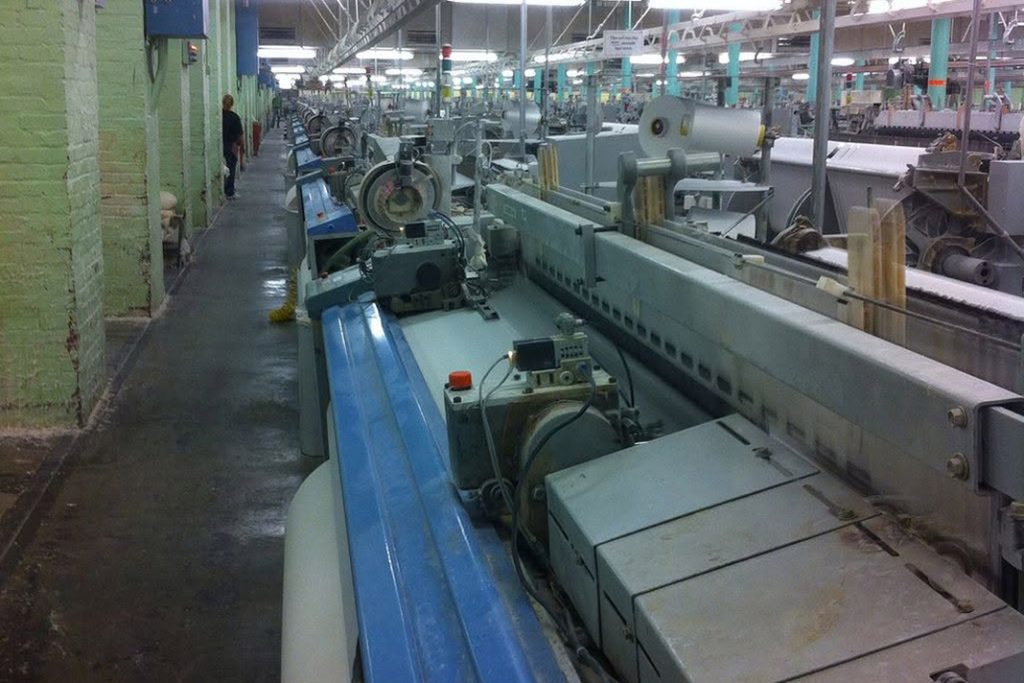
On the production floor, the difference is tangible. It’s brighter, quieter, and more comfortable. Employees see the improvements and take pride in being part of a company that’s forward-thinking.
U.S. manufacturing is entering a new era – one defined by growth, reinvestment, and the return of production to U.S. soil. But this resurgence comes with new pressures: tighter margins, stricter standards, and a digital layer that touches every aspect of our operations.
Energy sits at the center of it all. It’s no longer just a utility expense; it’s a strategic lever that shapes competitiveness, reliability, and resilience. As our systems get smarter, they’re also getting more complex. The companies that will lead the next wave of American manufacturing are the ones willing to evolve and trade control for collaboration.
For us, partnering on energy management wasn’t about giving something up; it was about unlocking the capacity to continue growing into the future. By handing off what no longer needed to be done in-house, we gained focus, stability, and the confidence to invest where it matters most: our people, our products, and our customers.
Control used to mean doing everything yourself. Today, it means knowing where your expertise ends—and where the right partner can help you go further.

About the Author:
Cyrus Gilman is Vice President of The Gilman Brothers Company, a third-generation, family-owned manufacturer of graphics display boards based in Gilman, Connecticut. A committed advocate for sustainability, Gilman recognizes the value of collaboration and strategic partnerships to improve energy efficiency and reduce costs in the manufacturing environment.

Forging the Next 250 Years: Powering the Next Era of American Manufacturing
As manufacturers offer more customization than ever before, managing product complexity has become a critical challenge. Tune in with Dan Joe Barry, Vice President of Product Marketing at Configit, who explores how companies are tackling the growing number of product configurations across engineering, sales, manufacturing, and service. He explains how Configuration Lifecycle Management (CLM) helps organizations maintain a single source of truth for configuration data. The result: fewer errors, faster quoting, and the ability to deliver customized products at scale.
Get In Touch
Google news and SEO compliant, Industry Today’s state-of-the-art digital media platform offers bespoke media campaigns that target key decision makers and buyers to achieve your marketing and promotional goals.

Contribute
Showcase your brand and promote your business to our highly targeted audience. We offer detailed Google Analytics with measurable ROI to assure success. Submit your content for review by our Editorial team who will contact you to discuss the project further.
About Us
Reach Your Targeted Audience and Grow Your Business. Learn more About Industry Today.
Contact Us

© 2026 Industry today. All Rights reserved.