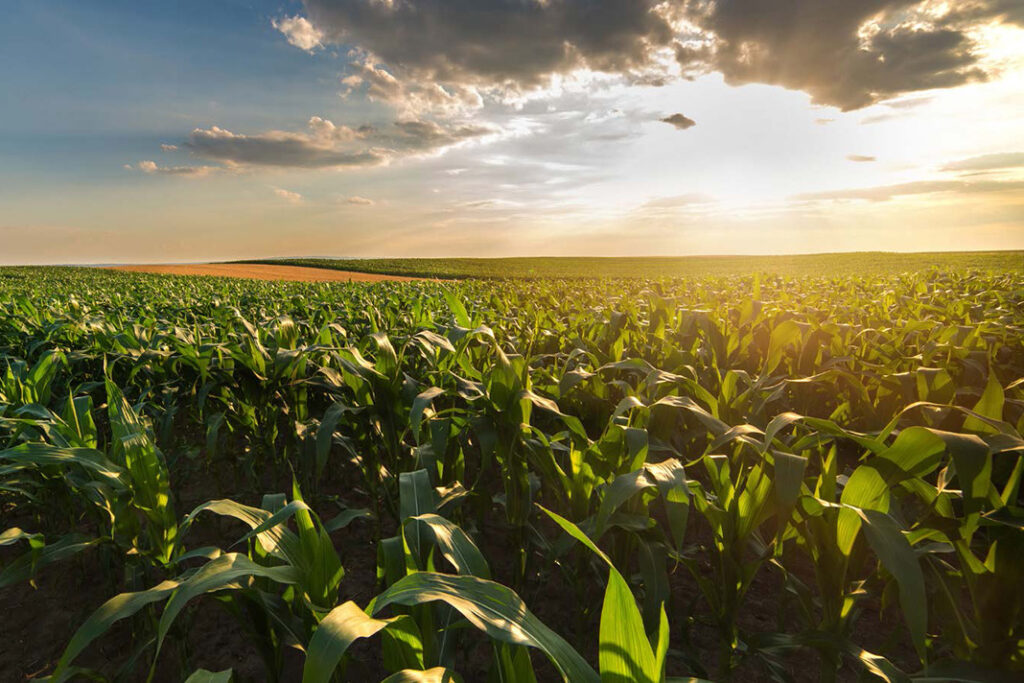
This article explores the essential aspects of farming today, highlighting its importance, financial perspectives and sustainable practices.
In our modern era, the significance of farming has grown remarkably. Despite its vital role, only a small fraction of the population is actively involved in farming, making every individual contribution crucial for sustaining the future.
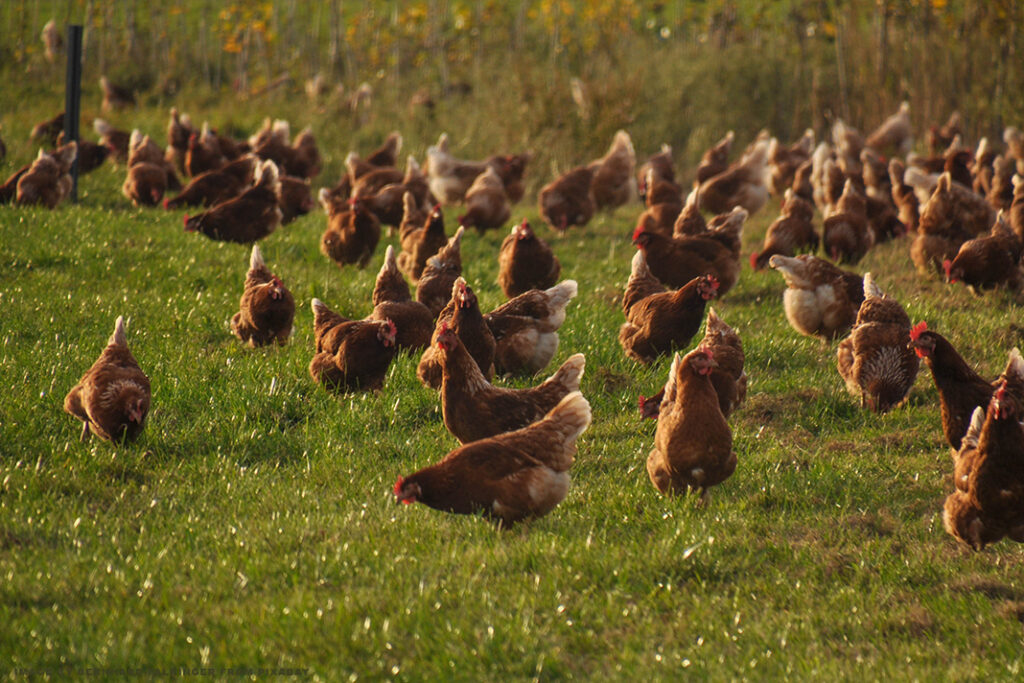
Farming, historically the backbone of many economies, maintains its critical place today despite the minimal involvement of the U.S. populace. As reported by Forbes, a mere 1% of Americans are engaged in farming activities. This small demographic adapts advanced techniques and technologies that greatly impact food supply and sustainable agriculture practices.
The importance of farming transcends mere food production, extending into environmental conservation and ecological balance. The industry not only helps in managing natural resources but also supports biodiversity, offering habitats for various species. Hence, the significance of farming is immense, especially given the challenges posed by climate change and growing food demands.
Furthermore, the need for maintaining this delicate balance between demand and resource management is what makes the farming industry indispensable. As agricultural needs rise alongside population growth, the focus on farming as more than just livelihood but as a critical player in sustainability becomes apparent. Ensuring food security through continuous innovation and application of technologies in farming practices remains a top priority.
While farming populations are small, their contribution to the economy is not insignificant. Data from the U.S. Department of Agriculture projects a rise in the median total farm household income to $100,840 in 2024, marking a 2.9 percent increase from the previous year. This anticipated growth reflects the increasing value of agriculture on a national scale, driven by global demand and local economic development.
Moreover, rural communities often rely heavily on the economic influx facilitated by successful farming activities. These communities form the backbone of many national economies, contributing significantly through crop production, livestock farming, and agro-based industries. By supporting local agricultural initiatives, broader economic growth is stimulated, creating employment and fostering community development.
Agriculture’s role as an economic powerhouse must be supported by policies and infrastructure that pave the way for greater financial successes in the future. Adapting to financial models that integrate sustainable investments is crucial for maintaining flow within the industry, as the alignment of economic stability with environmental sustainability will secure long-term gains.
Sustainability in farming is not merely about today’s production; it’s about ensuring that future generations can likewise enjoy and harness earth’s bounty. Among various methods, employing compost piles is notable for its utility in improving soil health and crop yield. Such compost piles should be carefully constructed in layers with a maximum height of five feet, beginning with an organic material base that is four to five feet wide and approximately eight inches deep.
The layered approach allows for efficient decomposition, providing essential nutrients back into the soil. This systematic method is crucial for maintaining soil fertility while minimizing waste, proving invaluable to sustainable agricultural enterprises. As the industry evolves, adopting practices that promote long-term ecological health takes precedence.
Additionally, farmers’ participation in sustainability initiatives and eco-friendly practices is pivotal for combating adverse environmental impacts. Strategies that incorporate organic farming, permaculture, and resource recycling contribute significantly to reducing carbon footprints and preserving natural ecosystems. Such practices ensure that farming not only sustains the current population but also protects resources for the future.
Farming holds a pivotal role in today’s economic and environmental landscape. Acknowledging the limited yet significant farming community, the economic impact, and the shift towards sustainable practices, it’s evident that agriculture continues to be crucial. With every stride towards innovative and eco-friendly solutions, farming will undeniably secure its position as a cornerstone for future generations.

Forging the Next 250 Years: Powering the Next Era of American Manufacturing
As manufacturers offer more customization than ever before, managing product complexity has become a critical challenge. Tune in with Dan Joe Barry, Vice President of Product Marketing at Configit, who explores how companies are tackling the growing number of product configurations across engineering, sales, manufacturing, and service. He explains how Configuration Lifecycle Management (CLM) helps organizations maintain a single source of truth for configuration data. The result: fewer errors, faster quoting, and the ability to deliver customized products at scale.
Get In Touch
Google news and SEO compliant, Industry Today’s state-of-the-art digital media platform offers bespoke media campaigns that target key decision makers and buyers to achieve your marketing and promotional goals.

Contribute
Showcase your brand and promote your business to our highly targeted audience. We offer detailed Google Analytics with measurable ROI to assure success. Submit your content for review by our Editorial team who will contact you to discuss the project further.
About Us
Reach Your Targeted Audience and Grow Your Business. Learn more About Industry Today.
Contact Us

© 2026 Industry today. All Rights reserved.