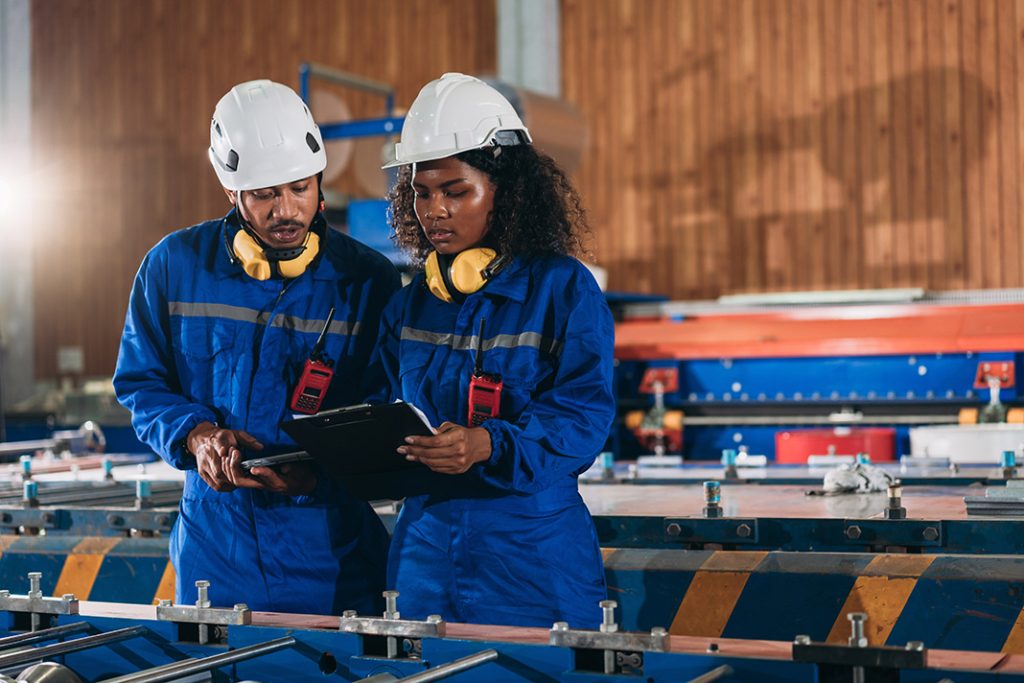
In 2026, facility quality is a competitive edge as manufacturers fight talent shortages, boost productivity and strengthen worker retention.
By Mike Kapalko, Regional Manager, Industrial Segment, Tork, an Essity Brand
The manufacturing sector is navigating profound uncertainty – varying tariffs, persisting economic uncertainty, and ongoing operational consolidation. Yet even as many companies restructure, the long-term challenge of skilled labor shortages hasn’t disappeared. This creates a paradox for 2026: with 67% of manufacturers managing headcount reductions, companies face a two-fold challenge – retaining their best workers through the volatility while simultaneously competing for top talent from a newly available labor pool.
In 2026, the manufacturers who win this dual talent war will be those who recognize that facility quality – from restrooms to break spaces – sends a powerful signal about stability and care in a time when employees need reassurance most.
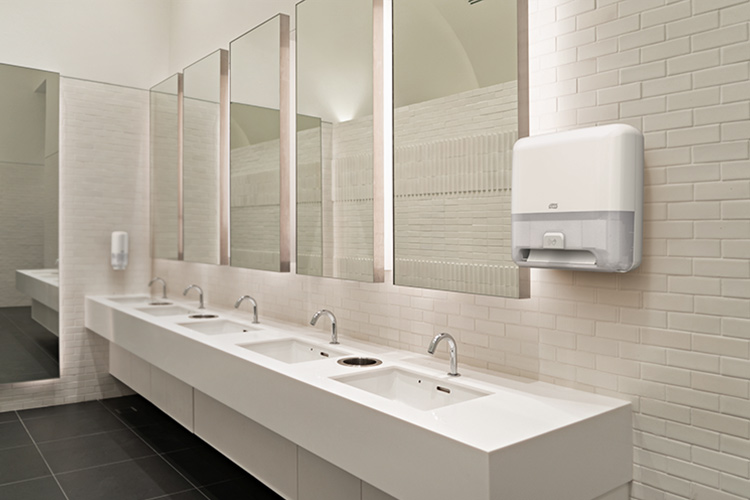
Here’s the thing: the facility isn’t just a place where work happens; it’s a communication tool. Every detail – from the cleanliness of restrooms to the functionality and quality of break areas – sends a message about management’s priorities and commitment. When a worker enters a clean, well-maintained restroom, it signals that management’s attention extends beyond the production metrics on a profit-and-loss statement. Conversely, when facilities are neglected – stocked haphazardly, cleaned inconsistently, or key products are far away from their workstation – workers draw different conclusions. Restroom conditions and facility maintenance become reflections of how the company thinks about its workers, whether with care or indifference.
That distinction isn’t subtle. It’s the difference between employees who are looking for their next opportunity and those who are putting down roots for years to come. In competitive talent markets, facility quality has become a tangible factor in employment decisions, particularly among higher-skilled workers who have more options.
Beyond the impact on worker satisfaction, there’s a tangible operational cost to poor facility design and maintenance. Research reveals that 44% of workers report being interrupted up to 20 times during a workday just walking to get or dispose of wipers and cleaning tools. That’s a productivity hemorrhage with major impacts – lower output and eroded focus across the team. And it’s entirely preventable.
Even more telling: 74% of workers say they’ll take more wipers than they need for a task specifically to avoid making multiple trips. Not only does this mean they’re losing time to unnecessary motion, but they’re also over-consuming products out of necessity. The cost multiplies – in wasted time, in material waste, and in decreased morale.
When long walks to find hygiene products cut into productive time, or poorly maintained break rooms are uncomfortable and inaccessible, these factors become real threats to retention, production quality, and the facility’s overall reputation. The good news? Most of these problems are straightforward to identify and solve once leaders recognize them as operational issues, not just administrative tasks.
Manufacturing leaders are masters of optimization. They’ve spent years perfecting lean principles, continuous improvement systems and obsessing over production floor conditions. A well-organized production cell isn’t just efficient; it’s a statement about standards, professionalism, and respect for the process.
The insight for 2026 is this: apply that same discipline to facility operations. Most facility infrastructure issues are treated as overhead – something to maintain at minimum cost. But facility infrastructure isn’t peripheral to operations. It’s an operational system that directly impacts productivity and morale. Treating it that way opens up avenues for improvement that many competitors could be missing.
Here’s how to put this into practice:
When you apply this operational lens to facility management, you’re not just improving cleanliness – you’re reclaiming productivity, reducing costs, and signaling to workers that their experience matters.
The manufacturing leaders who succeed in 2026 will be those who shift their mindset about facility management. It’s about operational efficiency, morale, and retention – not just cosmetics or comfort.
Worker retention decisions aren’t made in a single moment – they’re built through accumulated experiences. A clean restroom, readily accessible tools that save hours of wasted motion, and thoughtfully maintained break spaces all work together to send one message: you matter here. That message, reinforced daily, influences an employee’s level of satisfaction in their role.
The next frontier for lean manufacturing isn’t on the production floor alone. It’s in recognizing that every element of the facility – from restroom cleanliness to product placement to break room quality – is a critical area worth optimizing. It’s about applying the same rigor and attention to detail that transformed production cells into the spaces where your team works.
The companies that do this will send a clear signal: we’re investing in you because we value you. And in an uncertain 2026, that message might be the difference between keeping your best performers and watching them walk out the door.

About the Author:
Mike Kapalko is the Industrial Segment Manager in North America at Essity, maker of the Tork brand. With more than 25 years of experience in the away-from-home and B2B markets, Mike has held diverse leadership roles spanning product management, service solutions, sustainability, and strategic marketing. He supports manufacturing and food processing organizations to enhance their operational efficiency and hygiene standards.
Read more:
The Link Between Hygiene and Uptime: A Q&A With Tork’s Mike Kapalko | Food Industry Executive, 7/10/2025
Low-Lift Ways to Boost Food Safety and Enhance Productivity | Pro-Food World, 6/19/2025
Forging the Next 250 Years: Powering the Next Era of American Manufacturing
As manufacturers offer more customization than ever before, managing product complexity has become a critical challenge. Tune in with Dan Joe Barry, Vice President of Product Marketing at Configit, who explores how companies are tackling the growing number of product configurations across engineering, sales, manufacturing, and service. He explains how Configuration Lifecycle Management (CLM) helps organizations maintain a single source of truth for configuration data. The result: fewer errors, faster quoting, and the ability to deliver customized products at scale.
Get In Touch
Google news and SEO compliant, Industry Today’s state-of-the-art digital media platform offers bespoke media campaigns that target key decision makers and buyers to achieve your marketing and promotional goals.

Contribute
Showcase your brand and promote your business to our highly targeted audience. We offer detailed Google Analytics with measurable ROI to assure success. Submit your content for review by our Editorial team who will contact you to discuss the project further.
About Us
Reach Your Targeted Audience and Grow Your Business. Learn more About Industry Today.
Contact Us

© 2026 Industry today. All Rights reserved.