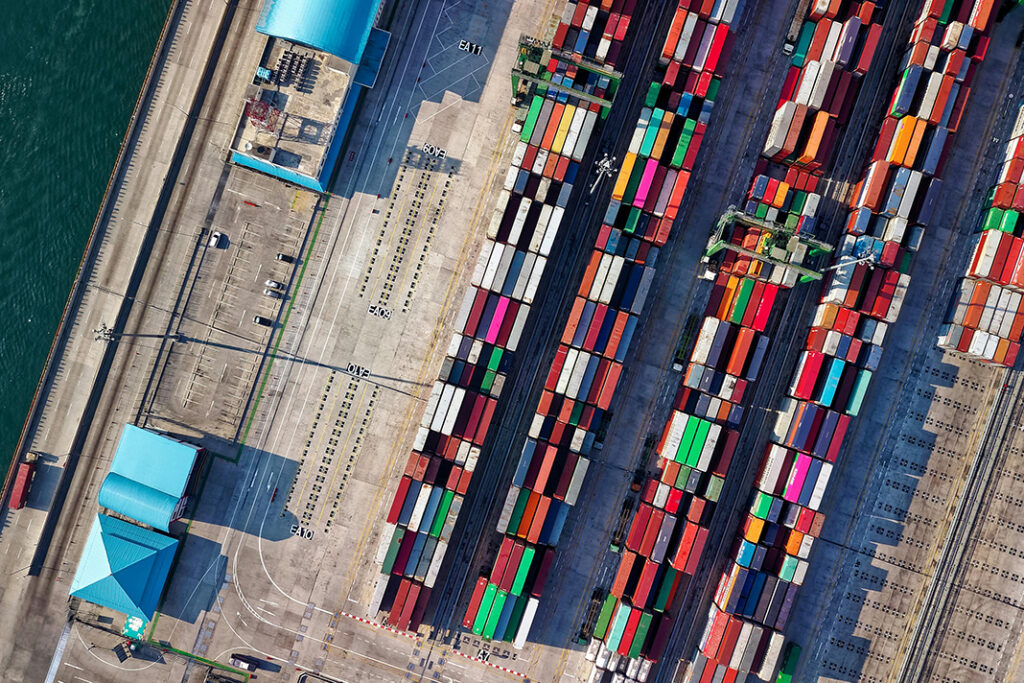
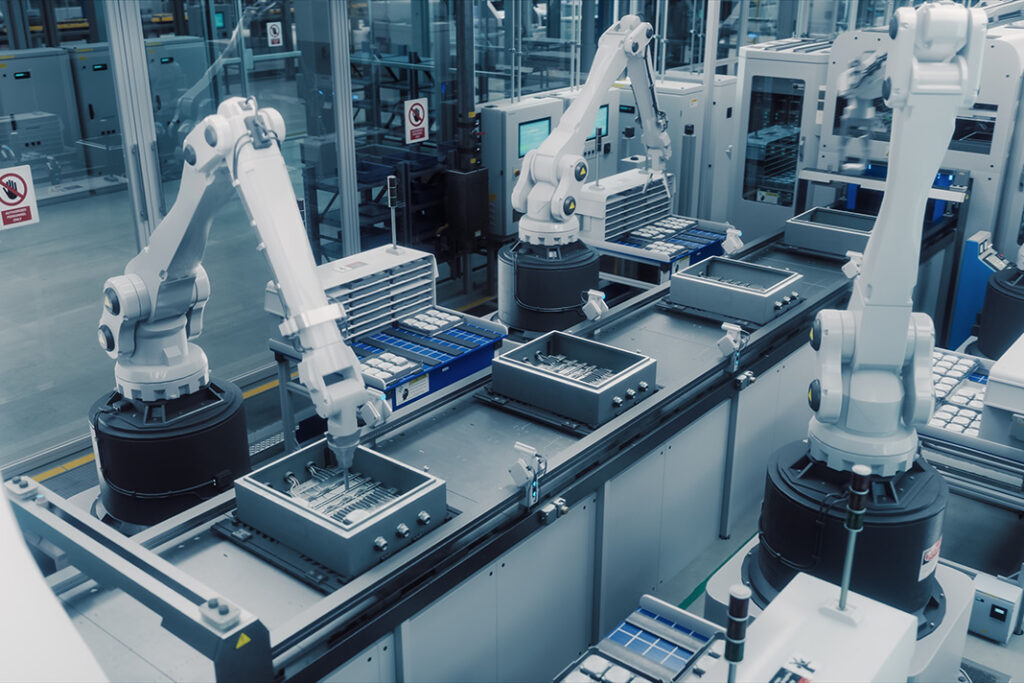
Supply chains don’t break in isolation. When disruption hits one region or commodity, the effects quickly ripple across industries, materials and markets worldwide.

By Steve Blough, Chief Supply Chain Strategist at Infios
Supply chains don’t break in isolation. When disruption hits one region or commodity, the effects quickly ripple across industries, materials and markets worldwide. The latest escalation in the Middle East is exposing vulnerabilities far beyond oil and gas, placing growing strain on pharmaceutical, fertilizer and helium supply chains that support critical sectors of the global economy.
For businesses, the challenge is no longer a single delayed shipment or isolated supplier issue. Modern supply chains are deeply interconnected, meaning disruption in one area can cascade into rising food costs, semiconductor shortages, healthcare delays and manufacturing bottlenecks elsewhere. Organizations that lack visibility across their extended supply networks are increasingly exposed to operational and financial risk.
The Middle East plays a major role in the production and export of ammonia and other nitrogen-based fertilizers that underpin global agricultural output. When geopolitical disruption constrains supply, the effects quickly spread across food production systems worldwide.
For U.S. farmers, fertilizer represents one of the largest operating expenses, particularly for corn and wheat production. When supply tightens and prices rise, already narrow margins come under further pressure. Those higher costs eventually flow downstream to food manufacturers, retailers and consumers.
The impact extends beyond raw agriculture. Reduced fertilizer availability can influence crop yields for staples such as potatoes, creating supply and pricing challenges for food processors. Even products as familiar as potato chips can become more expensive as disruptions cascade through interconnected supply chains.
Pharmaceutical supply chains operate through highly interconnected global production networks that depend on the continuous movement of active pharmaceutical ingredients and precursor chemicals. Many of these critical supply nodes are located in regions vulnerable to geopolitical disruption.
Even temporary instability can delay shipments, interrupt production schedules and create bottlenecks throughout healthcare systems. In sectors where continuity is critical, short disruptions can have outsized consequences for hospitals, pharmacies and patients.
The COVID-19 pandemic exposed how quickly pharmaceutical shortages can emerge when sourcing networks become constrained. Current geopolitical tensions reinforce the need for pharmaceutical manufacturers to diversify sourcing strategies. strengthen supplier resilience and improve visibility across multi-tier supplier ecosystems.
Helium rarely receives mainstream attention, yet it remains one of the most strategically important materials in global manufacturing and healthcare operations. Qatar represents a significant portion of global helium production, making regional instability particularly concerning for international markets.
Helium plays a vital role across multiple industries, ranging from MRI imaging, aerospace engineering and semiconductor manufacturing. Semiconductor fabrication facilities rely heavily on helium during cooling and production processes, particularly as artificial intelligence accelerates demand for advanced chips and high-performing computing infrastructure.
The semiconductor industry is already operating under mounting capacity pressure as AI investment surges. Any prolonged helium shortage could further constrain production, extend lead times and increase costs across technology supply chains. The ripple effects extend far beyond the chip industry itself. Semiconductors underpin everything from automotive manufacturing and consumer electronics to cloud infrastructure and industrial automation. When chip production slows, disruption quickly spreads throughout the broader global economy.
A common weakness across many industries is limited visibility into multi-tier supply networks. Organizations often maintain insight into immediate suppliers but lack understanding of upstream dependencies, regional risks and material constraints.
That visibility gap makes it difficult to anticipate disruptions or respond dynamically when market conditions change. In an environment shaped by geopolitical instability, transportation bottlenecks and material shortages, reactive supply chain management is no longer sufficient.
As a result, businesses are increasingly investing in connected, intelligence-driven supply chain execution models that unify order management, warehousing, transportation and inventory operations into a more adaptive decision-making framework. In practice, that enables organizations to:
For example, companies operating in a constrained helium market may prioritize semiconductor production lines tied to the highest-value customer demand. Pharmaceutical manufacturers may diversify sourcing locations or adjust production schedules to reduce regional exposure.
Based on feedback from multiple Infios customers, together with transportation and supply chain data flowing through Infios solutions across its customer network, consumer technology shipment volumes appear to be tracking approximately 10% below prior levels. The decline reflects the continued shift in semiconductor manufacturing capacity and investment toward AI infrastructure and GPU production.
That imbalance is creating ripple effects across broader supply chains. As manufacturers prioritize AI-related chips and infrastructure demand, production capacity for traditional consumer technology products becomes more constrained, extending lead times and reducing shipment volumes across the market.
Modern resilience depends on operational connectivity rather than isolated contingency plans. Businesses that can connect data, decisions and execution across supply chain functions are better equipped to maintain continuity during disruption.
The growing overlap between geopolitical instability and supply chain execution is also forcing organizations to rethink risk management strategies. Traditional efficiency-focused supply chains are giving way to models built around flexibility, redundancy and real-time responsiveness.
The latest Middle East disruptions demonstrate just how interconnected modern supply chains have become. Fertilizers, pharmaceuticals and helium may appear unrelated, but instability affecting one region or material can quickly ripple across industries and consumer markets worldwide.
Companies that build connected, intelligence-driven and adaptable supply chain capabilities will be better positioned to anticipate disruption, respond faster and maintain continuity as geopolitical volatility becomes an enduring business reality.

About the Author:
Steve Blough is Chief Supply Chain Strategist at Infios. Before Infios, he was co-founder of MercuryGate International, a leading transportation management software provider, which was acquired by Infios in 2025. With more than 25 years of experience in supply chain technology, he has led the design and development of advanced transportation management solutions used by global shippers, logistics providers and retailers. Earlier in his career, Blough worked at IBM Global Services, where he led consulting engagements focused on supply chain initiatives and enterprise system development.
Read more from the author:
Last-Mile Optimization is Key to Navigating Disruptions | Supply & Demand Chain Executive, March 19, 2025
Forging the Next 250 Years: Powering the Next Era of American Manufacturing
As manufacturers offer more customization than ever before, managing product complexity has become a critical challenge. Tune in with Dan Joe Barry, Vice President of Product Marketing at Configit, who explores how companies are tackling the growing number of product configurations across engineering, sales, manufacturing, and service. He explains how Configuration Lifecycle Management (CLM) helps organizations maintain a single source of truth for configuration data. The result: fewer errors, faster quoting, and the ability to deliver customized products at scale.
Get In Touch
Google news and SEO compliant, Industry Today’s state-of-the-art digital media platform offers bespoke media campaigns that target key decision makers and buyers to achieve your marketing and promotional goals.

Contribute
Showcase your brand and promote your business to our highly targeted audience. We offer detailed Google Analytics with measurable ROI to assure success. Submit your content for review by our Editorial team who will contact you to discuss the project further.
About Us
Reach Your Targeted Audience and Grow Your Business. Learn more About Industry Today.
Contact Us

© 2026 Industry today. All Rights reserved.