A case study of a team who saved $3,000,000 in workman comp costs.
by Chris LaCorata, Founder, Graasi
In an industrial setting there is one topic that supersedes all the rest and that is workplace safety. Workplace accidents can and should impact us as operating leaders. I am still haunted by some of these events. I look back on the years of different operations and leaders that encompassed the wide variety of thinking and commitment to safety, and I still find myself shaking my head.
I am reminded by a tense and brutally frank discussion I was having with a Plant Manager who just had several recordable injuries. I was questioning how he was setting the tone and demonstrating leadership commitment. He became agitated and stated, “what do you want me to do they are having the accidents.” Bingo, they are having accidents! One of my mentors used to have a strange saying “the fish always stinks at the head.” In this case it was a little unsettling as the head was me. What did I miss with this manager? I vowed to never let that kind of thinking take a foothold under my watch again.
So armed with years of lessons learned and whole lot of empty talk I thought we could do better. Using a continuous improvement approach I wanted to engage all our teams in creating the right environment. To be sure we stumbled a bit, but the following took a large operation from a TRIR (Total Recordable Incident Rate) of 4.57 to 1.70 in less than 3 years. This significantly reduced recordable injuries and dropped our workmen’s compensation costs by over $3,000,000. We became so excited that we were gaining on DuPont, Alcoa, and Electrolux who at the time were the best in the nation with TRIR rates of 1.55, 1.10 and 0.9 respectfully.
The following is an outline of how this was achieved with complexities of rolling up three separate operating companies with varying degrees of safety cultures and processes.
1. Setting the Tone/ Establish Alignment: To cut through the noise of past cultural thinking I surmised that I needed to jolt my new organization’s current thinking around workplace injuries. Not new policy or threats but more a call to leadership. I communicated the message directly in what I called a “kick off” meeting with senior leaders from all locations. I first had individual meetings with my direct reports. It sounded something like this: “safety speaks so loudly about what we are as leaders. Getting this wrong means someone gets hurt; getting it right opens the door to excellence. It is my sincerest hope you all agree but should you not that is your choice but you cannot play here. With that said I know it starts with me and you have my commitment.”
To make a point I had a flip chart on stage and walked over and signed my name to safety leadership commitment to the organization. By the end of the meeting all leaders had signed the letter. We had framed copies sent out to all locations. Hokey and cheesy sure- but it did make a point.
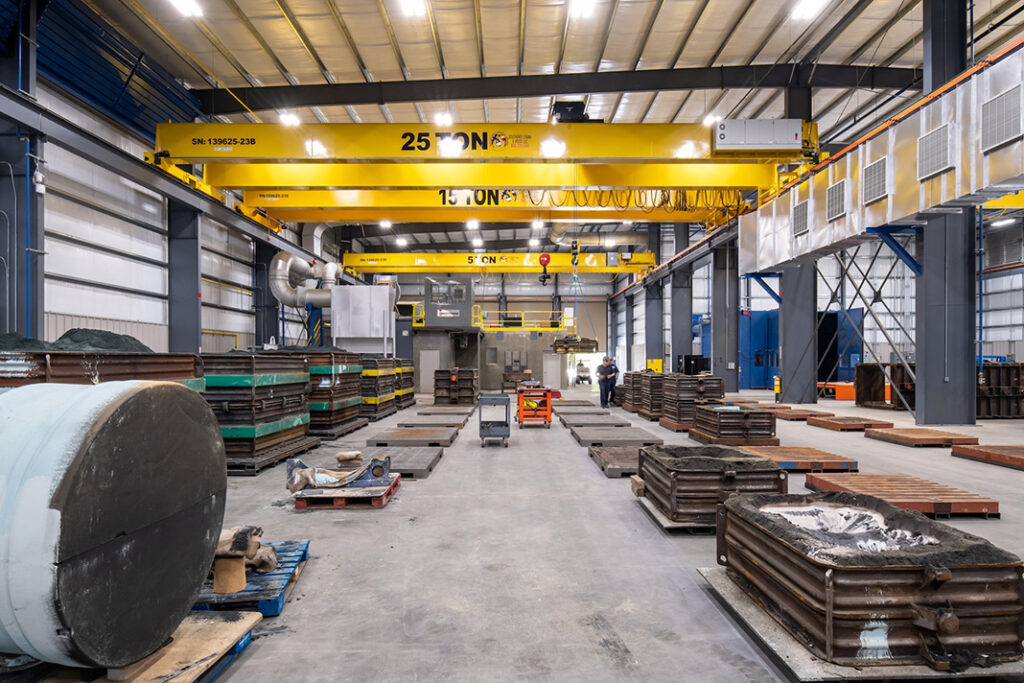
Plant Housekeeping- the second part of the alignment discussion was around plant organization and cleanliness. This is a bell weather topic for me and strikes at the very core of the concept of excellence. A five-minute walk in a plant is a mirror image of what that plant manager values. A multitude of beneficial effects flow from an extremely clean and organized plant and safety is top of the list. With this thought always present in my mind touring a dirty messy plant frankly irritated the hell out of me. We hit hard the importance of cleanliness in creating an injury free plant. We called this beyond 5S but to “ultra clean” from floor to the rafters. We spent time on the merits touching on safety risks, forging a sense of pride along with driving quality and productivity.
We closed out this portion of the meeting with Safety is Priority #1 and will be developing the course of action in the coming days to begin the journey. We requested all leaders have team meetings with their staff to communicate the new direction and more importantly the why. We tasked all HR leaders to ensure all employees attended.
2. Cascading Objectives: to ensure we had tight alignment of safety we had all managerial job descriptions add safety as the #1 performance objective. To keep it simple we measured this by onsite safety performance both accidents and near misses along with their individual contribution to the effort. In the case of a supervisor this would be performance on their individual shift and then up the ladder of leaders. Plant Managers had the whole performance of their individual location. To lock in alignment all the way to the floor employees signed safety as a condition of employment letters. This was heavy handed, but we thought it critical to get the right understanding. Our HR team was on the hook to ensure completion.
3. Establishing (EHS) Environmental Health & Safety Group: through lengthy discussions and an eye toward costs, headcount, and bureaucracy we decided to hire one Director of EHS. This person would be supported by an onsite person to be chosen by plant managers. A small bonus incentive was added for these people based on performance of the location. We tasked the new Director of EHS to conduct a series of training sessions from managing safety committees, accident investigations, auditing, and deep dive into OSHA 29 CFR 1910 regulations www.osha.gov/complianceassistance/industryegulations
4. Regulatory Compliance Audits (OSHA 29 CFR Regs): to get our hands around risk quickly we wanted a view of our compliance with OSHA regulation and to expose any looming threats. We tasked our newly minted EHS teams to conduct on-site Audits of compliance against the basic OSHA programs. From record keeping, lock out tag and machine guarding the Director guided them through auditing. We used a simple scorecard system. Once the system was completed with the initial audit, we organized a meeting with my direct reports to review findings and agree on next steps.
5. Top Offender Actions: with the first rounds of audits complete along with OSHA logs we had a summary of our starting point. Except for three operations the remaining twenty-four locations were ranked mediocre at best with six plants being considered “high risk” with three being “critical” with substantial risk. Led by our EHS Director we deployed a project team to the worst plant to blitz OSHA programs while engaging the new committees to assist in the corrective actions. With this process and some help from an outside safety consultant we moved through the top offender sites within 3 months. There were some lingering actions with machine guarding waiting for fabrication. The rest of the network requested action plans to close their own gaps from the audits with regular standard progress reports.
6. Near Misses / Network Communication Alerts: The next step was to tap into the collective experiences of each operation. We instituted an “event call” should a significant near miss or recordable injury happen. This was a 3-call system as the Plant Manager had to alert the Vice President of Plant Operations and Director of EHS right after the event. I was next to a debrief. Once the situation was contained and an investigation complete, we had a system call with all Plant Managers, safety coordinators, and my direct reports. The objective was to share investigation findings and corrective actions with a verification step. Should this be an event that could happen in other locations all plants were required to implement.
7. Culture Transition / Behavior Modification: we worked the six steps for the first 18 months through a plethora of challenges and difficulties while teams were learning and evaluating our commitment. It was not pretty but it began to work as we started to see a substantial drop in recordable injury events. We knew we had to go deeper to get to accident free. To avoid playing a game of “Whac-A-Mole” all local safety committee actions were shared for wider application to all locations. The next phase was to roll out a behavior modification program from DuPont called S.T.O.P to begin going deeper and imbedding safety into the DNA of our organization. Taking a Kaizen approach, we used the data from the STOP program and safety committees to correct and improve the base.
8. In the End: by year 3 and hundreds of actions we started to mature in this process and the organization began to go from compliance to embracing the safety of all team members as a source of pride. To add to the excitement of our journey we coordinated our annual meeting of top leaders at the Hershey Resort in PA specifically to tour Harley Davidson’s York plant known for excellence. We connected with Harley representatives ahead of time and even shared notes on safety. They were impressed with our gains, and we ended up adding a Harley rep as a guest speaker to our event. In a play to our many veterans our keynote was naval commander Michael Abrashoff author of “It’s Your Ship.” Our marine vets had a good time with that. Overall, it was an event to remember as we gave out ten injury free awards to plant managers and plant of the year to our Miami location for outstanding overall performance. In all by year three we went from over ninety serious recordable injuries to just twelve non recordable for the system. Oh, and we made the CFO and our board happy as we reduced workmen compensation costs by over $3,000,000.
Golden Rule: Under no circumstance override the rules.
Forging the Next 250 Years: Powering the Next Era of American Manufacturing
As manufacturers offer more customization than ever before, managing product complexity has become a critical challenge. Tune in with Dan Joe Barry, Vice President of Product Marketing at Configit, who explores how companies are tackling the growing number of product configurations across engineering, sales, manufacturing, and service. He explains how Configuration Lifecycle Management (CLM) helps organizations maintain a single source of truth for configuration data. The result: fewer errors, faster quoting, and the ability to deliver customized products at scale.
Get In Touch
Google news and SEO compliant, Industry Today’s state-of-the-art digital media platform offers bespoke media campaigns that target key decision makers and buyers to achieve your marketing and promotional goals.

Contribute
Showcase your brand and promote your business to our highly targeted audience. We offer detailed Google Analytics with measurable ROI to assure success. Submit your content for review by our Editorial team who will contact you to discuss the project further.
About Us
Reach Your Targeted Audience and Grow Your Business. Learn more About Industry Today.
Contact Us

© 2026 Industry today. All Rights reserved.