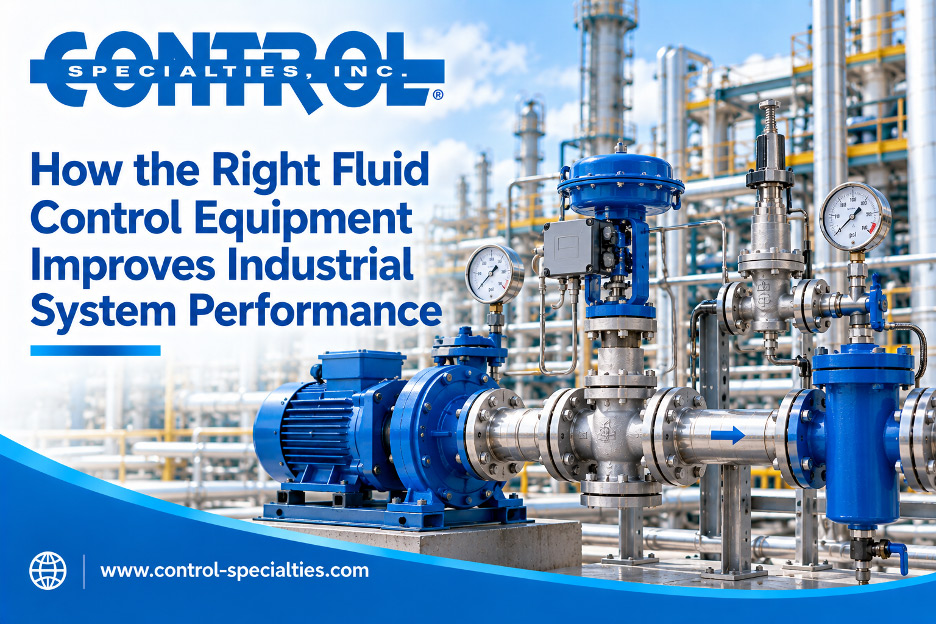
Reliable fluid management is essential for keeping industrial operations safe, efficient, and productive.
Whether a facility is handling chemicals, circulating water, managing steam, or controlling pressure, the right equipment can make a significant difference in system performance. Pumps, regulators, valves, and condensate management products all work together to maintain stable operating conditions and minimize unnecessary downtime.
Choosing equipment based on the actual requirements of a system is therefore an important part of industrial maintenance and process improvement. Among the commonly used solutions are dosing pumps, circulator pumps, pressure regulators, and condensate management equipment.
Many industrial processes require precise quantities of chemicals or other fluids to be introduced into a system. Dosing pumps are designed for this purpose, providing controlled and consistent fluid delivery based on the requirements of the application.
They are widely used in water treatment, chemical processing, boiler treatment, cooling systems, and manufacturing processes. By delivering a controlled amount of fluid, these pumps can help maintain the desired concentration and support consistent process conditions.
Selecting a dosing pump requires consideration of several factors, including flow rate, discharge pressure, fluid properties, temperature, and operating environment. Proper sizing can help improve efficiency while reducing the risk of excessive chemical consumption or inconsistent dosing.
Fluid movement is another important part of many industrial and commercial systems. A circulator pump keeps water or other compatible fluids moving through a closed-loop system, helping distribute heating or cooling throughout the required areas.
Circulator pumps are commonly used in HVAC systems, hydronic heating, cooling applications, and industrial process systems. The correct pump should be selected according to the system’s flow requirements, head pressure, temperature, pipe configuration, and application conditions.
An appropriately sized pump can provide dependable circulation while avoiding unnecessary energy consumption. Regular inspection and maintenance can also help identify wear or performance problems before they affect the wider system.
Maintaining the correct pressure is critical for protecting equipment and ensuring consistent industrial processes. Back pressure regulators can help control upstream pressure by regulating fluid flow through a piping system.
These regulators are useful in applications where stable pressure is important for pumps, process equipment, instrumentation, and other components. They can help prevent unwanted pressure fluctuations and support more consistent operating conditions.
When choosing a back pressure regulator, factors such as pressure range, flow rate, fluid type, temperature, and connection requirements should be carefully evaluated. Correct sizing is particularly important because an unsuitable regulator may not provide the expected level of control.
Steam systems can experience performance issues when condensate is not removed effectively. Water accumulation can affect heat transfer, increase the risk of corrosion, and interfere with the operation of steam equipment.
Drain All products can be used in applications where effective condensate removal and drainage are required. Proper condensate management helps maintain steam-system efficiency and supports the reliable operation of equipment such as heat exchangers, piping systems, and steam traps.
Regular inspection of condensate management equipment is important, especially in industrial environments where systems operate continuously or under demanding conditions.
Finding the right equipment is only part of creating a reliable fluid-control system. Working with an experienced supplier can make the selection process easier by providing access to a broad range of industrial products and technical information.
Control Specialties Inc offers industrial products and solutions for applications involving pumps, valves, steam, compressed air, filtration, process control, and fluid handling. Having access to different equipment options allows businesses to compare solutions based on their specific operating requirements.
A knowledgeable supplier can also help customers consider how individual components will work together. For example, pump selection can influence pressure requirements, while pressure control can affect overall process performance. Looking at the complete system rather than a single component can lead to better long-term results.
Industrial fluid systems perform best when each component is properly selected, installed, and maintained. From accurate chemical delivery with dosing pumps to dependable circulation, pressure control, and condensate removal, every part contributes to overall system efficiency.
Businesses can improve reliability by reviewing their operating conditions, selecting equipment according to actual system requirements, and following appropriate maintenance practices. Whether the application involves process fluids, heating and cooling systems, steam, or pressure-sensitive equipment, choosing suitable components can help reduce downtime and support consistent performance.
With the right combination of equipment and technical support, facilities can build fluid-control systems that are better prepared for demanding industrial environments while maintaining efficiency, safety, and dependable operation.

Forging the Next 250 Years: Powering the Next Era of American Manufacturing
As manufacturers offer more customization than ever before, managing product complexity has become a critical challenge. Tune in with Dan Joe Barry, Vice President of Product Marketing at Configit, who explores how companies are tackling the growing number of product configurations across engineering, sales, manufacturing, and service. He explains how Configuration Lifecycle Management (CLM) helps organizations maintain a single source of truth for configuration data. The result: fewer errors, faster quoting, and the ability to deliver customized products at scale.
Get In Touch
Google news and SEO compliant, Industry Today’s state-of-the-art digital media platform offers bespoke media campaigns that target key decision makers and buyers to achieve your marketing and promotional goals.

Contribute
Showcase your brand and promote your business to our highly targeted audience. We offer detailed Google Analytics with measurable ROI to assure success. Submit your content for review by our Editorial team who will contact you to discuss the project further.
About Us
Reach Your Targeted Audience and Grow Your Business. Learn more About Industry Today.
Contact Us

© 2026 Industry today. All Rights reserved.