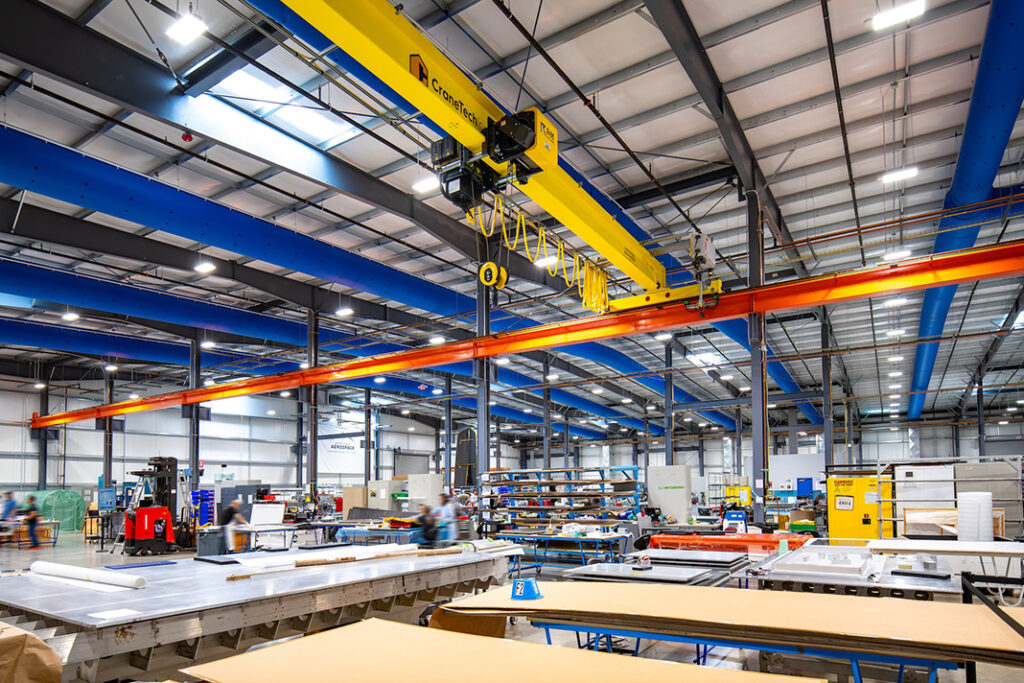
Instead of trying to build every component from scratch, International Thermal Systems (ITS) partnered directly with an industry leader.
In high-speed manufacturing, unexpected downtime directly cuts into profits. When a line running thousands of parts per minute suddenly shuts down, the cost of lost production far outweighs the price of replacement parts.
A leading metal packaging manufacturer faced this exact problem: chronic component wear on a high-speed container line was causing frequent, expensive shut-downs.
The client’s oven line runs steel food cans at a blistering pace of 4,000 cans per minute. However, the oven’s support bed relied on traditional ceramic materials, which were designed for slower-moving belts- not high-speed operations.
The heavy friction caused the transport belts to wear out and snap every 45 days. Every time a belt broke, the line went dark for 12 full hours for repairs, bleeding thousands of dollars in lost productivity.
While competitors claimed the setup couldn’t be changed, the ITS sales engineering team took a closer look at the friction problem.
Instead of sticking with rigid ceramic standards, ITS engineered a custom retrofit using a specialized synthetic surface along the slidebed. This smoother material drastically reduced belt friction while comfortably handling high oven operating temperatures.
Since installing the synthetic slidebed retrofit, the plant has seen immediate improvements:
internationalthermalsystems.com

Forging the Next 250 Years: Powering the Next Era of American Manufacturing
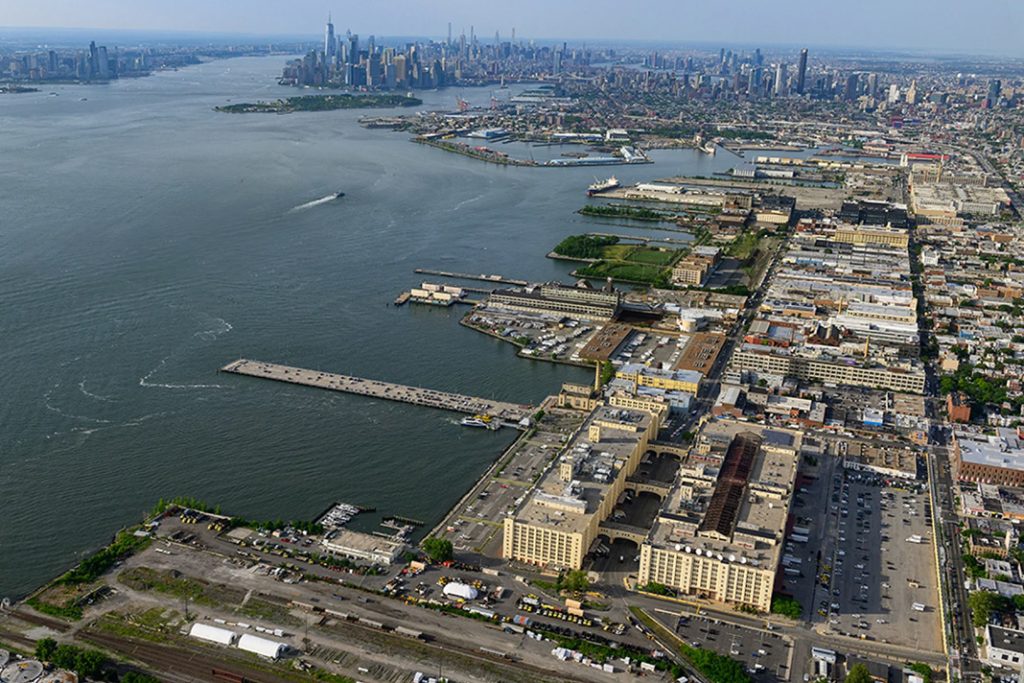
Brooklyn Army Terminal (BAT) began as a World War II-era military supply base. Today it is New York City’s largest publicly owned industrial campus, with 59 waterfront acres, more than 4 million square feet and over 100 businesses. In this episode of Industry Insights, Bridget Chansakul, Vice President of Leasing & Portfolio Management at NYCEDC, explains what space is available and what’s planned for the 250,000+ square feet of new industrial space in Building A. She also covers how the ferry, parking and on-site childcare help tenants hire and keep workers, along with workforce partnerships, City incentives for manufacturers and where BAT is headed next.
Get In Touch
Google news and SEO compliant, Industry Today’s state-of-the-art digital media platform offers bespoke media campaigns that target key decision makers and buyers to achieve your marketing and promotional goals.

Contribute
Showcase your brand and promote your business to our highly targeted audience. We offer detailed Google Analytics with measurable ROI to assure success. Submit your content for review by our Editorial team who will contact you to discuss the project further.
About Us
Reach Your Targeted Audience and Grow Your Business. Learn more About Industry Today.
Contact Us

© 2026 Industry today. All Rights reserved.