Subscribe to Industry Today’s regular e-newslettersindustrytoday.com
Subscribe https://industrytoday.com/wp-content/uploads/2026/10/BAT_Construction_728x90@2x.png
https://industrytoday.com/wp-content/uploads/2026/10/BAT_Construction_728x90@2x.png
https://industrytoday.com/wp-content/uploads/2026/10/BAT_Construction_728x90@2x.png
Key considerations when constructing a sustainable home.
In today’s world, constructing a home that can withstand the test of time is not just a dream, but a sustainable solution for many. The process of building a durable residence involves careful planning, the use of quality materials, and the integration of modern, energy-efficient technologies. From the installation of solar panels to the strategic design of windows and doors, various factors contribute to making a home not only long-lasting but also environmentally friendly and cost-efficient.
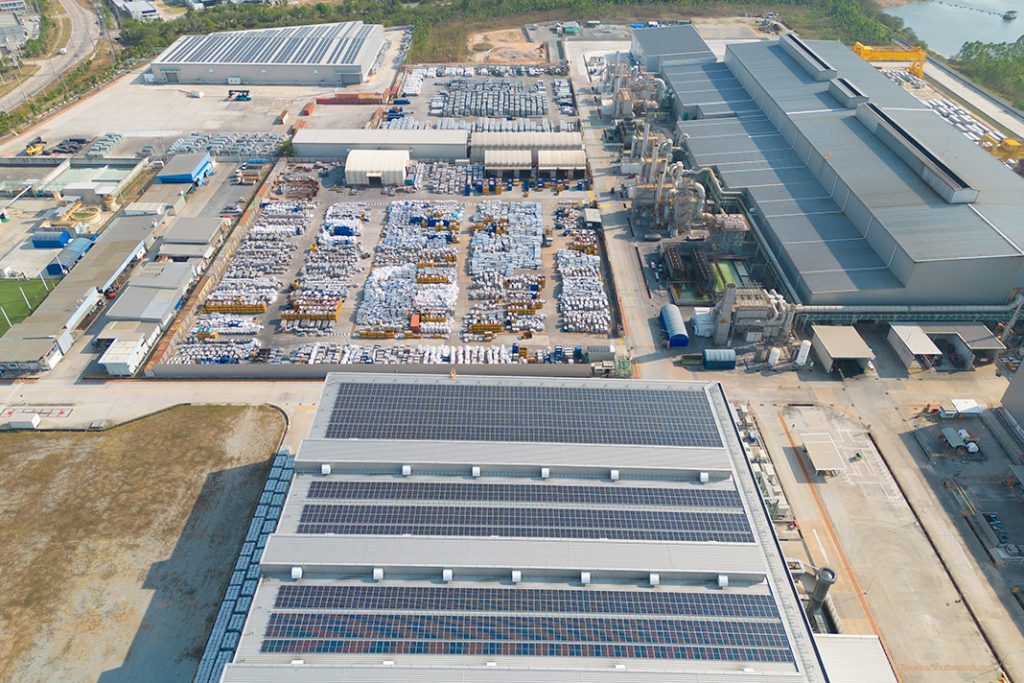
One of the core aspects of constructing a sustainable home is energy efficiency. Innovations in solar technology can significantly contribute to this goal. For instance, the energy efficiency ratings of solar panels, as estimated by Cemex, generally range between 11% and 15%. These figures underscore the importance of selecting high-quality panels and professional installation to maximize energy capture and minimize electricity costs.
Beyond panel selection, homeowners should consider their orientation and placement for optimal sunlight exposure. A well-planned placement can increase the energy output of the panels, further enhancing the home’s energy efficiency. These steps can substantially lower utility bills and reduce a home’s carbon footprint, making solar panel installations a key component of any sustainable residential construction.
Incorporating solar panels isn’t just about efficiency but also serves the broader goal of environmental stewardship. As more homeowners recognize the benefits, solar panels are fast becoming standard in modern home construction. By reducing reliance on fossil fuels, homeowners contribute to a greener planet while enjoying the economic benefits in the long run.
Building a custom home is a significant undertaking that often requires a substantial time investment. According to Angi, the process can take anywhere from 12 to 24 months, involving numerous stages from foundation laying to intricate interior finishing. This timeline emphasizes the necessity of patience and meticulous planning throughout the construction process.
Effective communication between the homeowner and the construction team is paramount to streamlining the process and avoiding any potential delays. A clear understanding of the local zoning laws and regulations also aids in keeping the project on schedule. Homeowners should also anticipate potential challenges and allocate additional time for unforeseen circumstances, ensuring that the project remains resilient to setbacks.
The temporal investment required for building a home underscores the importance of thorough planning and preparation. As architects and contractors often say, a well-prepared plan is the key to success. Ensuring that all stakeholders have a unified vision prevents resource wastage and enhances the end result, culminating in a home built to last.
When it comes to drafting designs for an energy-efficient house, the functionality of windows and other openings cannot be overstated. Windows are recognized by Sustainability Victoria as significant thermal weak points, potentially accounting for up to 40% of a home’s heat loss. Therefore, selecting the right materials and designs can play a crucial role in improving a home’s thermal resilience.
To combat heat loss and increase energy efficiency, it is advisable to invest in quality glazing or double-pane windows. These types of windows help minimize heat transfer, thereby maintaining a stable indoor temperature. Furthermore, strategic placement and sizing of windows can enhance natural lighting while minimizing heat loss, contributing to both comfort and energy savings.
The advantages of reducing heat loss extend beyond energy conservation. It also translates to considerable cost savings and improved indoor comfort throughout the year. By addressing these aspects in the initial stages of construction, homeowners ensure that their investment yields benefits far into the future, further underlining the principle of building a home to last.
Building a home designed to endure the tests of time involves more than just solid construction techniques; it requires a thorough consideration of energy solutions, construction timescales, and thermal efficiencies. By integrating the latest technologies and design principles, homeowners can not only ensure their home’s longevity but also contribute to broader sustainability goals. In embracing these strategies, we build not just for today, but for the generations to come.

Forging the Next 250 Years: Powering the Next Era of American Manufacturing
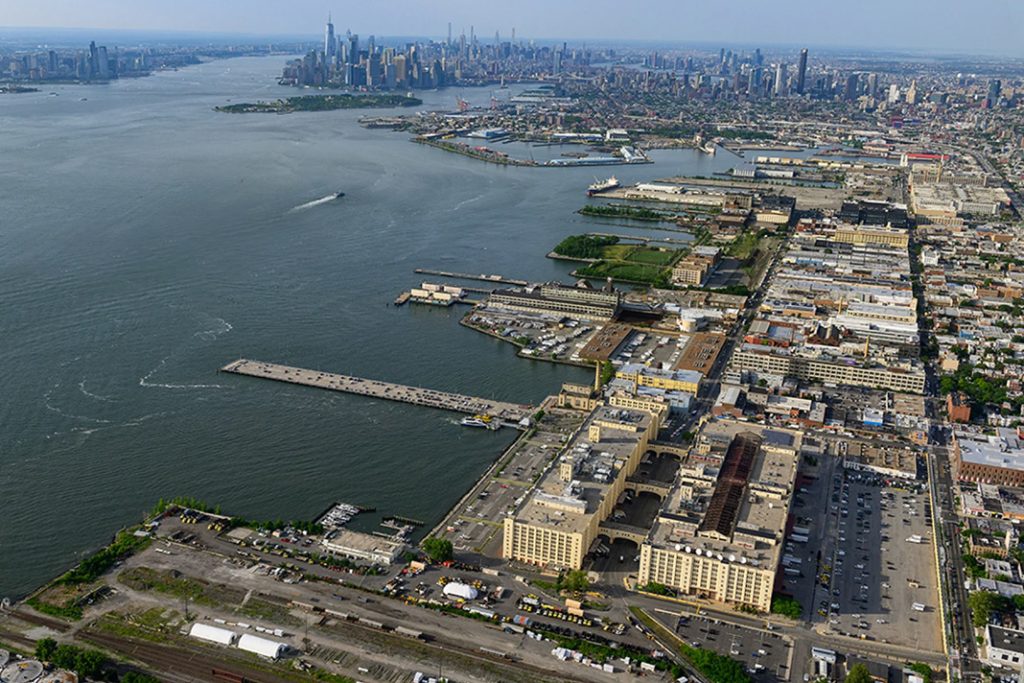
Brooklyn Army Terminal (BAT) began as a World War II-era military supply base. Today it is New York City’s largest publicly owned industrial campus, with 59 waterfront acres, more than 4 million square feet and over 100 businesses. In this episode of Industry Insights, Bridget Chansakul, Vice President of Leasing & Portfolio Management at NYCEDC, explains what space is available and what’s planned for the 250,000+ square feet of new industrial space in Building A. She also covers how the ferry, parking and on-site childcare help tenants hire and keep workers, along with workforce partnerships, City incentives for manufacturers and where BAT is headed next.
Get In Touch
Google news and SEO compliant, Industry Today’s state-of-the-art digital media platform offers bespoke media campaigns that target key decision makers and buyers to achieve your marketing and promotional goals.

Contribute
Showcase your brand and promote your business to our highly targeted audience. We offer detailed Google Analytics with measurable ROI to assure success. Submit your content for review by our Editorial team who will contact you to discuss the project further.
About Us
Reach Your Targeted Audience and Grow Your Business. Learn more About Industry Today.
Contact Us

© 2026 Industry today. All Rights reserved.