AI is reshaping construction safety, but without the right foundations, it can create new risks instead of reducing them.
By John Maynard, solutions engineer at EcoOnline
On a large infrastructure project, a site supervisor starts their day reviewing incident logs, subcontractor certifications, and last-minute design changes. All that before stepping onto the jobsite. By mid-morning, they’re balancing schedule pressure with safety walkthroughs, while new crews rotate in with varying levels of training and familiarity.
This is the reality of construction today – and the stakes are high. At the EcoOnline 2026 North America Construction Safety and Operations Forum, leading builders shared growing pressures from tighter schedules and more frequent design changes, with narrower execution windows. These demands run alongside rising expectations for safety performance. But the sector still accounts for nearly one in five workplace fatalities.
In response, many organizations are turning to AI and digital technologies to simplify safety management and reduce risk. But there’s also hesitation. For many leaders, AI represents both an opportunity and a potential source of new risk, a tool that could either strengthen safety outcomes or undermine them if used incorrectly.
In that sense, construction leaders are threading a needle. They need to adopt AI in a way that builds trust on the frontline while avoiding new blind spots.
While the most common safety hazards on sites (slips, trips, and falls) remain constant, the pressures surrounding them are intensifying, which amplify risk. We heard this directly from teams at our construction forum, who find the margin for error shrinking. In this environment, even small breakdowns in communication or oversight can have outsized consequences. Reducing injuries is no longer just a safety goal, but also essential to keeping projects on schedule.
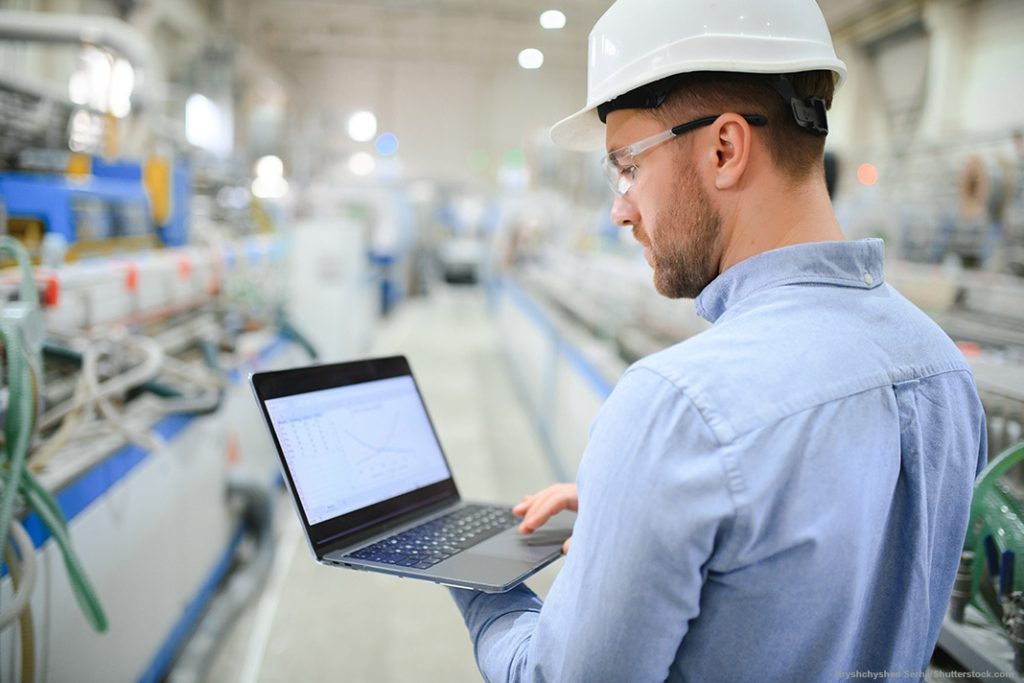
Used effectively, EHS software with AI and automation capabilities can simplify reporting and surface insights that might otherwise remain buried in spreadsheets or scattered reports. However, their effectiveness depends on the quality of the data behind them.
AI systems rely on patterns in data to generate insights. When that data is inconsistent or poorly structured, the output can be misleading – or worse, dangerously overconfident.
Construction leaders are increasingly recognizing this challenge. There is a growing emphasis on standardized safety systems that allow leaders to streamline workflows, improve data quality, and support advanced analytics to identify opportunities and emerging risks earlier. Shaan Gehlot, an HSE Analyst at AtkinsRéalis, the global engineering project consultancy, shared at our forum, “Standardization is what allows us to compare performance meaningfully across projects and regions.”
Standardization may not capture headlines like AI, but it is what makes AI usable. When incident reporting and safety processes follow consistent frameworks, organizations gain a clearer picture of what is happening across projects.
That clarity allows technology, including AI, to deliver more reliable insights that build trust with teams in the field.
Another shift underway across construction safety programs is the move toward earlier indicators of risk.
For years, safety performance was measured primarily through lagging metrics such as Total Recordable Injury Frequency (TRIF). While these metrics remain important for compliance and reporting, as Dan MacLeod, Global Lead for Programs & Systems at AtkinsRéalis, said at our forum, “We put much more emphasis on SIF prevention. TRIF reflects past outcomes, not future risk.”
Forward-looking organizations are placing greater emphasis on signals that can prevent serious harm before it happens. For example, repeated reports of minor near misses involving material handling might initially be dismissed as isolated incidents. But when aggregated, the data can reveal patterns tied to a specific workflow and subcontractor process. Addressing those issues early can prevent what might otherwise escalate into a serious injury.
AI and digital technology can also play an important role in one of the most overlooked drivers of jobsite risk – contractor readiness.
On large projects, supervisors often manage multiple subcontractors with varying levels of training, certification, and site preparedness. Verifying credentials, safety training, and permitting requirements can consume valuable time that supervisors would otherwise spend in the field.
This challenge is compounded by the nature of the construction workforce itself. According to recent data, 44% of workplace injuries occur among workers in their first year on the job, underscoring how unfamiliarity with site conditions, processes, and expectations can increase risk. Plus, only 21% of North American workers are fully convinced AI will improve workplace safety; 43% say it depends on implementation. In an environment with constant workforce churn, ensuring every worker is properly prepared before work begins and trusts the tools they’ve been given becomes both critical and difficult to scale.
When that visibility and trust break down, risk enters the jobsite. Digital systems are addressing this by centralizing onboarding, certification tracking, and permit-to-work processes. But as these systems generate more data across larger and more dynamic workforces, AI is increasingly being used to surface and address the risks hidden within it. This must be done through a phased approach that builds trust.
For example, AI tools can generate safety training directly related to the moment or place of risk. They can develop a specific checklist, incident report, or investigation template tied to specific sites, tasks, and teams. Rather than replacing oversight, this allows the frontline workforce and supervisors to focus their attention where it matters most.
Industry analysts at Verdantix point to increasing investment in operational risk management and integrated safety platforms, as organizations look to strengthen oversight of high-risk activities and improve visibility across complex contractor environments. In this context, AI plays a supporting role in helping organizations scale safety expertise, increase risk visibility, and act on hazards earlier, without adding to the administrative burden.
The challenge isn’t just acting on data swiftly. In many cases, it’s having the right data in the first place.
On large, complex projects, critical signals are often missing, inconsistent, or delayed. Near misses that need to be submitted in-office versus via mobile tools at the moment they occur go unreported. Permits completed on paper or after the fact can lead to confusion or improper allowances. Gaps in training or certification aren’t always visible across subcontractors. Even when information is captured, it’s often fragmented across systems and difficult to interpret in real time.
That creates a dangerous blind spot. Risk isn’t always invisible; it’s just not always visible in time. For every serious incident, there can be hundreds of near misses, early warnings that something isn’t quite right. But if those signals aren’t captured consistently, or can’t be surfaced quickly, they don’t prevent anything.
K-Line Maintenance and Construction Ltd faced this challenge on active worksites where visibility was difficult to maintain. By improving how safety data was captured and accessed in the field – giving supervisors real-time visibility into inspections, permits, and site conditions through mobile tools – they were able to strengthen oversight while reducing time spent tracking down information.
This is where AI is beginning to add value. Not by generating new information, but by helping teams surface what matters from the data they do have, connecting signals across systems and highlighting where risk is building.
That shift isn’t just technological. It’s operational. The ability to capture the right data and act on it quickly is what ultimately determines whether these tools reduce risk or simply create more noise.
The difference between AI that improves safety and AI that introduces new risk comes down to how it is used.
Organizations seeing real value are not starting with AI. They are starting with the fundamentals – consistent processes, reliable data, and tools that people in the field actually use. Without that foundation, even the most advanced systems will struggle to deliver meaningful insight. A few principles consistently separate effective adoption:
The challenge isn’t just adopting new tools, but ensuring they strengthen the systems already in place. AI will play a role, not by replacing human judgment, but by helping teams manage complexity at scale and act on risk sooner. The organizations that get this right will use technology to improve visibility, support faster decisions, and build trust with the people responsible for safety on the ground.
Because safety has always been a shared responsibility. What’s changing is the scale and the need for better tools to manage it.

About the Author:
John Maynard is a safety‑focused solutions engineer with extensive experience delivering and supporting EHS software platforms. Currently at EcoOnline Global and previously at Alcumus, he has a strong track record of helping organizations adopt solutions tailored to their operational and compliance needs. As a subject‑matter expert across multiple product lines, John partners closely with sales teams while prioritizing customer success through hands‑on troubleshooting and adaptable communication. He has worked with industry leaders across construction, manufacturing, mining, and natural resources, and is known for translating complex challenges into practical, effective solutions.

Forging the Next 250 Years: Powering the Next Era of American Manufacturing
As manufacturers offer more customization than ever before, managing product complexity has become a critical challenge. Tune in with Dan Joe Barry, Vice President of Product Marketing at Configit, who explores how companies are tackling the growing number of product configurations across engineering, sales, manufacturing, and service. He explains how Configuration Lifecycle Management (CLM) helps organizations maintain a single source of truth for configuration data. The result: fewer errors, faster quoting, and the ability to deliver customized products at scale.
Get In Touch
Google news and SEO compliant, Industry Today’s state-of-the-art digital media platform offers bespoke media campaigns that target key decision makers and buyers to achieve your marketing and promotional goals.

Contribute
Showcase your brand and promote your business to our highly targeted audience. We offer detailed Google Analytics with measurable ROI to assure success. Submit your content for review by our Editorial team who will contact you to discuss the project further.
About Us
Reach Your Targeted Audience and Grow Your Business. Learn more About Industry Today.
Contact Us

© 2026 Industry today. All Rights reserved.