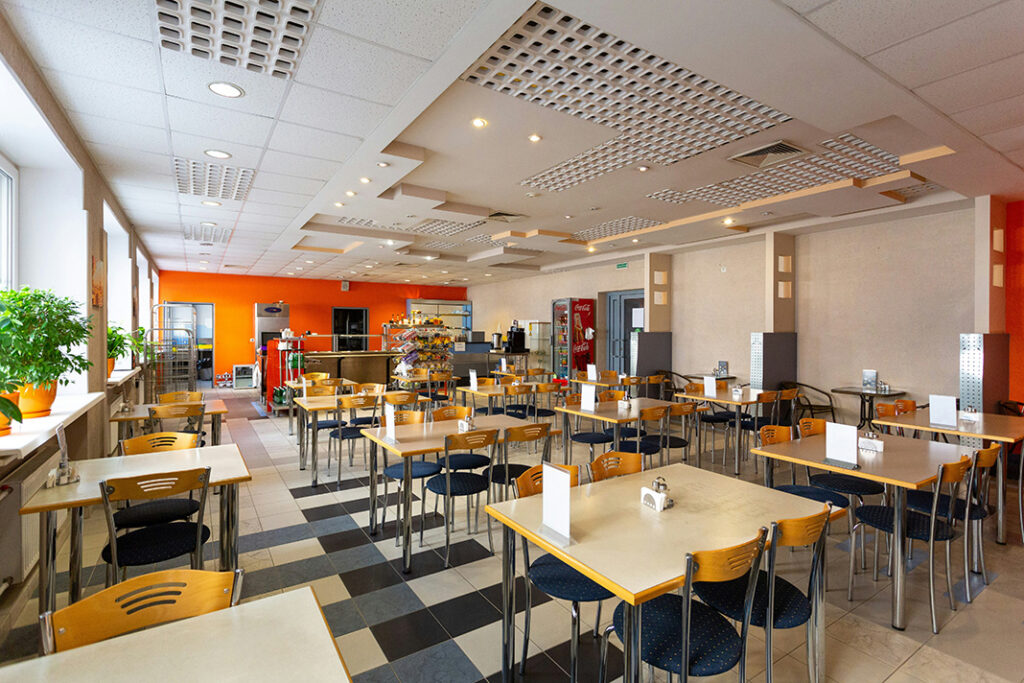
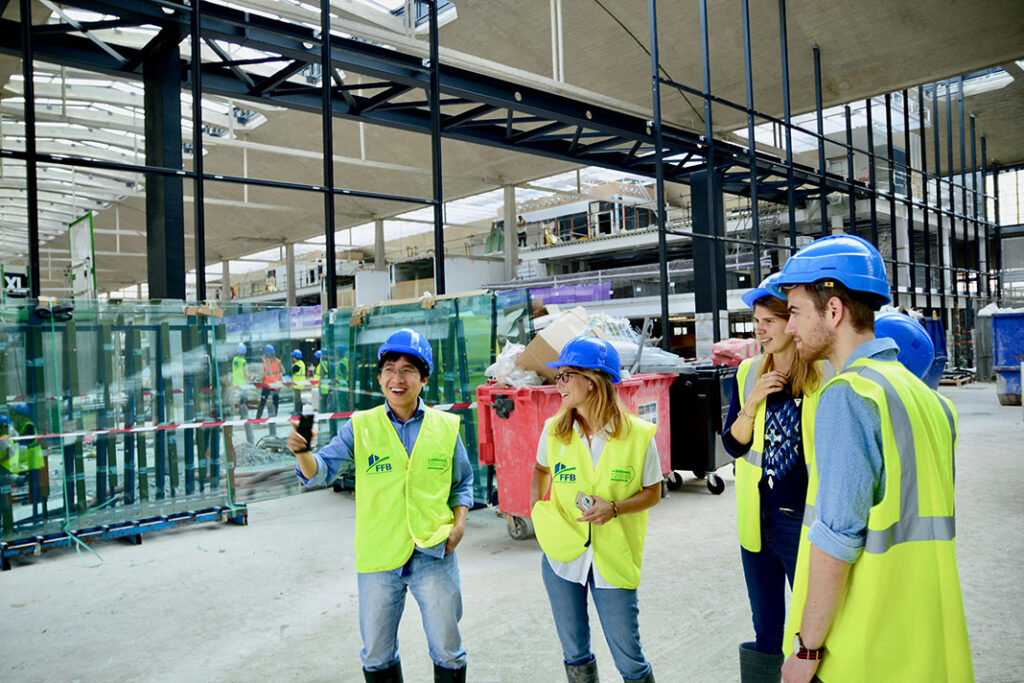
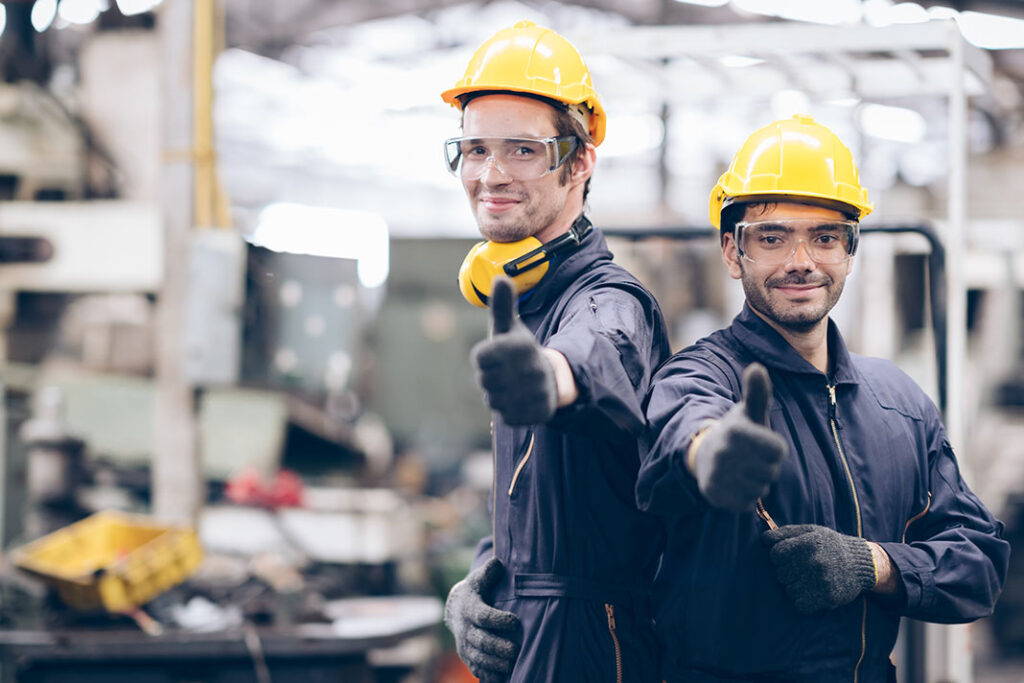
Dining facilities play an important role in enhancing workplace moral, well-being and worker safety.
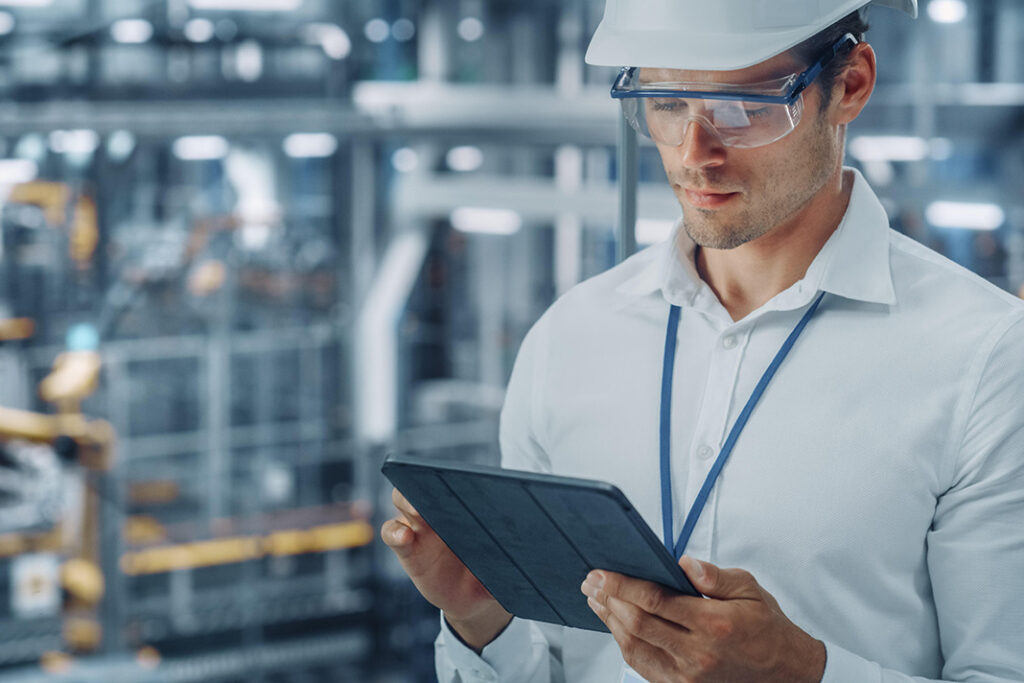
When people picture a manufacturing plant, they usually think of high-tech robots and long assembly lines. For a long time, success in this industry was only measured by how fast machines could run. But things are changing; today, smart companies realize that their most important machinery is actually the people on the floor. The days of eating a cold sandwich in a cramped corner are fading away. Having a great on-site dining experience is a smart move that keeps the team sharp, safe, and happy to show up every day.
The following points highlight the vital role dining facilities play within modern manufacturing plants:
Manufacturing remains a physically taxing profession, requiring sustained focus, manual dexterity, and often significant caloric expenditure. When employees are forced to rely on vending machines or rushed off-site trips for sustenance, their nutritional intake rarely aligns with the demands of their roles.
A modern on-site dining facility allows a company to take an active interest in the “fuel” their team is using. By providing access to balanced, nutrient-dense meals alongside nutritional education resources, plants can combat the mid-shift energy crashes that lead to sluggishness and errors. When workers have access to complex carbohydrates, lean proteins, and proper hydration within the gates, they maintain higher levels of cognitive function and physical stamina.
This performance-first approach borrows heavily from military DFAC, where the focus has shifted from mere calorie-loading to optimized fueling. Just as the military uses the Go for Green® program to color-code foods based on their impact on readiness and recovery, modern manufacturing plants can use their dining halls to guide workers toward choices that sustain energy.
Fatigue is one of the leading contributors to industrial accidents, and it’s frequently a byproduct of poor nutrition or dehydration. A dedicated dining hall provides a controlled environment where employees can truly decompress and recharge. The dining facility acts as a mental reset button as it offers a space that’s physically removed from the noise and vibration of the production floor. This period of sensory relief, combined with proper nourishment and delicious meals that workers actually look forward to, reduces the likelihood of highway hypnosis or lapses in judgment that occur during the final hours of a long shift.
Furthermore, having a high-quality dining option on-site keeps employees within the safety of the facility during their breaks. This eliminates the gate-to-gate rush where workers speed to local fast-food joints and back, reducing the risk of off-site traffic incidents and ensuring they return to their stations focused and calm rather than stressed by a hectic commute.
In many manufacturing environments, departments operate in silos. Engineers stay in the office, while technicians stay on the line. The dining facility is perhaps the only place in the entire plant where these artificial barriers naturally dissolve. When a senior floor supervisor sits across from a junior design engineer over a meal, organic conversations happen that would never occur in a formal meeting. These collisions are where real-world problem-solving takes place.
A technician might mention a recurring hitch in a specific assembly step, and the engineer might realize a simple tweak in the CAD model could fix it. The dining hall becomes an informal laboratory for innovation because it fosters a communal atmosphere. It builds a sense of “one team” mentality, breaking down the “us versus them” dynamic that often plagues industrial relations and replacing it with a shared identity centered around the communal table.
Modern workers, particularly those in Gen Z and the Millennial cohorts, view the workplace as an extension of their lifestyle. A dismal breakroom sends a message that the company views its staff as replaceable components. Conversely, bright and well-maintained dining locations with diverse food options signal that the organization values the dignity and well-being of its people. They serve as a powerful recruiting tool during plant tours, showing prospective hires that their daily experience matters.
Smart facilities go further by accommodating dietary needs across the entire workforce, catering to everyone from athletes watching their macros to employees managing chronic health conditions. Providing plant-based dining options alongside traditional fare, and making allergen information readily available, ensures that no worker feels like an afterthought at the table.
In terms of retention, the convenience of on-site dining can’t be overstated. It simplifies the employee’s day, reduces their personal expenses, and creates a social anchor that makes them feel more connected to the company, significantly lowering turnover rates in a volatile job market.
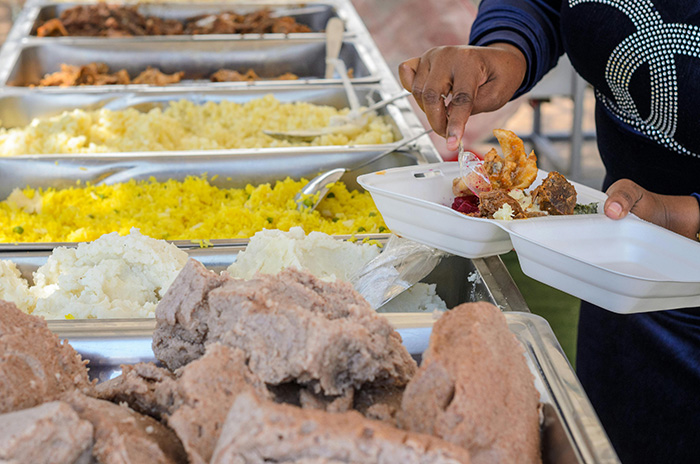
From a purely logistical standpoint, on-site dining facilities are a masterpiece of time management. In a large-scale manufacturing plant, the travel time from a workstation to the parking lot, out to a local restaurant, and back can consume the majority of a scheduled break. This leaves the employee with mere minutes to actually eat, leading to indigestion and increased stress.
By centralizing food services within the plant perimeter, the company recaptures that lost time for the employee’s benefit. Workers can spend 25 minutes of a 30-minute break sitting down and relaxing rather than sprinting through a parking lot. Offering meal plan options and publishing weekly menus in advance lets employees pre-select their meals, cutting wait times even further while also helping the kitchen reduce food waste through better demand forecasting. Accommodating dietary restrictions through clearly labeled stations keeps the line moving smoothly without requiring staff to interrogate the kitchen on every visit.
This efficiency ensures that shifts start back up exactly on time with a workforce that feels genuinely refreshed. It also allows the company to maintain better control over environmental standards, as a centralized dining area is much easier to keep sanitary than having food waste scattered across various small break nooks or hidden in lockers throughout the facility.
As manufacturing plants get more advanced, the way we treat the people running them needs to keep up. A dining hall is way more than just a place to grab a bite; it’s where people recharge, stay safe, and actually talk to one another. Companies that want to win in the future need to understand that looking after their team’s basic needs is the best way to keep the whole operation running smoothly. Investing in a good meal and a comfortable place to sit is really an investment in the people who make everything happen.
Industry in Transition: The Forces Reshaping Manufacturing
As manufacturers offer more customization than ever before, managing product complexity has become a critical challenge. Tune in with Dan Joe Barry, Vice President of Product Marketing at Configit, who explores how companies are tackling the growing number of product configurations across engineering, sales, manufacturing, and service. He explains how Configuration Lifecycle Management (CLM) helps organizations maintain a single source of truth for configuration data. The result: fewer errors, faster quoting, and the ability to deliver customized products at scale.
Get In Touch
Google news and SEO compliant, Industry Today’s state-of-the-art digital media platform offers bespoke media campaigns that target key decision makers and buyers to achieve your marketing and promotional goals.

Contribute
Showcase your brand and promote your business to our highly targeted audience. We offer detailed Google Analytics with measurable ROI to assure success. Submit your content for review by our Editorial team who will contact you to discuss the project further.
About Us
Reach Your Targeted Audience and Grow Your Business. Learn more About Industry Today.
Contact Us

© 2026 Industry today. All Rights reserved.