Why industrial fluid handling systems require strategic component selection.
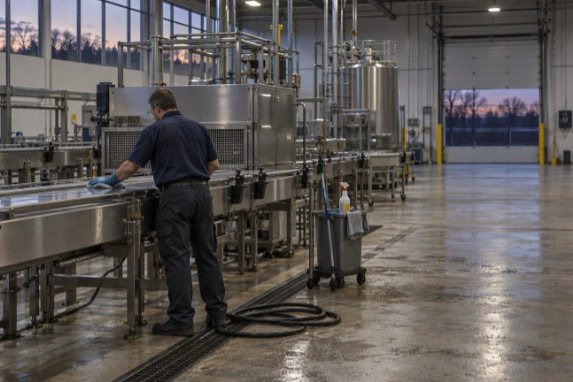
Pipes humming through factories keep things running in many types of plants. Moving fluids depends on how well valves, pumps, and sensors work together. When parts fail, output slows – so choosing them matters more than most realize. A smart mix of durability and precision keeps downtime low without overspending. Each choice shapes how smoothly everything flows.
Not every factory runs the same way, so their pumps and pipes need different things to work right. Pressure, how fast liquid moves, heat levels – these details decide what parts will last. Fluid kind matters too; thick oil isn’t like water moving through a line. Wrong gear shows up later as slowdowns or constant fixes. Choices made blind lead to hiccups nobody planned for.
Stability in flow happens when parts suit what the system needs. Because of this match, pumps team up smoothly with valves, while pipes link well through fittings. Less stress shows up across machinery since everything moves in step. Performance goals get met piece by piece, not blocked by poor choices. Each element plays its role when picked with purpose.
Whatever material you pick matters a lot when building or improving liquid flow setups. Fluids behave in unique ways depending on what they touch – metal, plastic, whatever it may be. Corrosive stuff eats away at parts. Abrasive particles grind them down. High heat changes how things hold up. Wrong choices mean breakdowns happen faster.
Picking the right parts starts by looking closely at where they will work. Where chemical exposure matters, these pvc ball valves might handle things better than expected. Material choice shapes how long a setup lasts, especially when fluids react badly with metal. Wrong picks lead to cracks, drips, or shutdowns nobody plans for.
When machines move liquids, they need dependable setups so work keeps flowing. A sudden breakdown might freeze everything – deliveries lag while repair bills climb. Picking parts carefully cuts those chances dead, since toughness matters along with how long they’ve lasted before. Life span predictions help too when planning ahead.
When picking equipment, think about upkeep too. If parts are hard to check or fix, machines might sit idle more often. Equipment designed for easier servicing keeps running longer. Over months, swapping out tricky components saves money. Fewer breakdowns mean less spending on fixes down the road.
Getting flow right matters across countless factory tasks. When parts manage liquid motion well, they help hit output goals while keeping things up to spec. Messy regulation brings uneven outcomes, lost materials, plus added wear on machinery.
Ball valves often handle shutoff tasks when reliability matters most. Depending on the application, facilities may use ball valves to provide dependable shutoff and flow regulation capabilities. Right choices keep processes steady under real-world demands. Performance gains come from matching parts to how they’ll actually be used.
When things go wrong in factories, safety usually takes a hit first. Moving liquids through pipes means dealing with materials that turn dangerous when they escape containment. Choosing parts without enough care tends to open doors for spills, bursts, or similar problems – each one threatening people nearby along with machines. Wrong picks echo later in cracked fittings or sudden drops in system strength.
Because parts are built to handle real-world demands, risks drop without extra steps. When gear holds up under normal stress, accidents slip away quietly behind steady performance. Safety grows where machines match their jobs well, avoiding spills along with downtime nobody plans for. Rules stay met when design thinks ahead about how things will be used each day.
Out of nowhere, factories need to shift – market trends change fast. When output ramps up or layouts get reworked, pipes and pumps feel the strain. Stuff picked too small today might choke tomorrow’s flow. Growth ignored at setup often means costly fixes down the line.
Picking pieces today might shape how well a company runs tomorrow. Because thoughtful layout helps when growing becomes necessary, without messy upgrades later on. Systems built to bend last longer in practice, fitting shifts before they arrive.
Pumps need to match valves just right, otherwise things slow down. When one piece drags, everything else stumbles behind it. Smooth flow happens only when instruments agree with pipe layouts. A strong pump fails fast beside mismatched parts. Teamwork between pieces keeps pressure steady. Parts work best not alone but tuned to each other.
Take a butterfly valve. Space might be tight, so size matters. Flow needs to shape the pick instead sometimes. Equipment nearby plays a role too. Parts talk to each other inside the system. Watch that link closely. Mistakes hide where pieces meet. Smooth running grows from smart matches. Fewer hiccups show up when connections make sense. Operation settles into rhythm without extra noise. Reliability climbs because attention lands on fit, not just function.
Picking parts smartly matters when building machines that move liquids through factories. When performance needs team up with how materials react, upkeep demands, safety rules, room to grow, plus fitting into existing setups – things run smoother. Thinking hard before choosing keeps problems low, spending steady, while helping output stay strong over years. That kind of planning pays off inside every plant where fluids flow.

Forging the Next 250 Years: Powering the Next Era of American Manufacturing
Brooklyn Army Terminal (BAT) began as a World War II-era military supply base. Today it is New York City’s largest publicly owned industrial campus, with 59 waterfront acres, more than 4 million square feet and over 100 businesses. In this episode of Industry Insights, Bridget Chansakul, Vice President of Leasing & Portfolio Management at NYCEDC, explains what space is available and what’s planned for the 250,000+ square feet of new industrial space in Building A. She also covers how the ferry, parking and on-site childcare help tenants hire and keep workers, along with workforce partnerships, City incentives for manufacturers and where BAT is headed next.
Get In Touch
Google news and SEO compliant, Industry Today’s state-of-the-art digital media platform offers bespoke media campaigns that target key decision makers and buyers to achieve your marketing and promotional goals.

Contribute
Showcase your brand and promote your business to our highly targeted audience. We offer detailed Google Analytics with measurable ROI to assure success. Submit your content for review by our Editorial team who will contact you to discuss the project further.
About Us
Reach Your Targeted Audience and Grow Your Business. Learn more About Industry Today.
Contact Us

© 2026 Industry today. All Rights reserved.