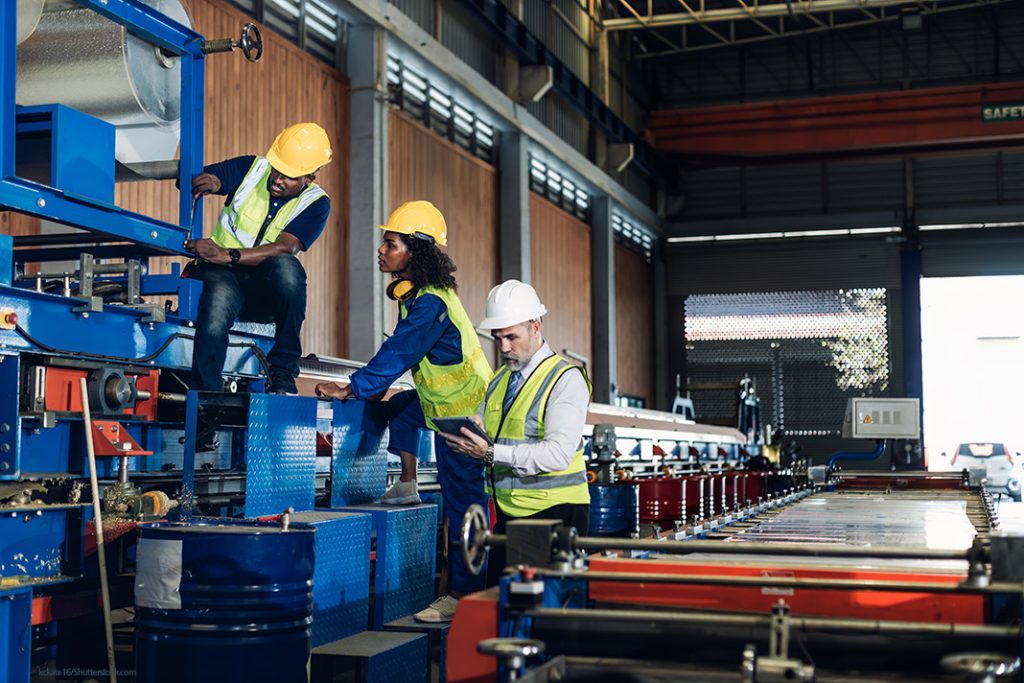
AI is expected to become a critical competitive advantage in construction, with early adopters already using it to improve risk management and operational efficiency.
By Tony Glaser
Everyone in construction is talking about what artificial intelligence will do to the industry. That’s the wrong conversation. The better question is what happens to your project when the technology outpaces the people running it.
AI-powered tools are making their way onto more job sites and into project offices. They’re improving planning, coordination, documentation, and data analysis in ways that were hard to imagine a decade ago. As technology advances into the industry, smart contractors should pay attention.
But AI is a tool, not a replacement for the judgment that holds a complex project together. The contractors who will come out ahead aren’t the ones who adopt technology the fastest. They’re the ones who invest in the workforce capable of putting it to work.
Here are three ways that contractors can help skilled labor teams prepare for AI.
Teams is already seeing AI streamline administrative work with its ability to summarize meetings and track commitments. Someday soon, it will also identify model clashes and improve coordination before a single worker sets foot on site.
But AI is still inaccurate and can’t verify whether a fix is executable under job site conditions. A model clash report might flag a pipe conflict, but it’s still up to trades to propose a routing solution. Even with AI and the most advanced technology, tradespeople who understand how buildings are constructed are needed for problem-solving.
Experienced project managers will understand why something was flagged, not just that it was. Two categories of AI tools that can help are AI-assisted risk flagging and portfolio-level predictive analytics. Risk flagging tools analyze RFIs, submittals, and safety data to surface quality and safety issues before they become field problems. Predictive analytics tools can identify budget variances and schedule risks across a project portfolio, giving leadership a faster read on where attention is needed1. Neither replaces the judgment call. They just get the right information in front of the right people faster.
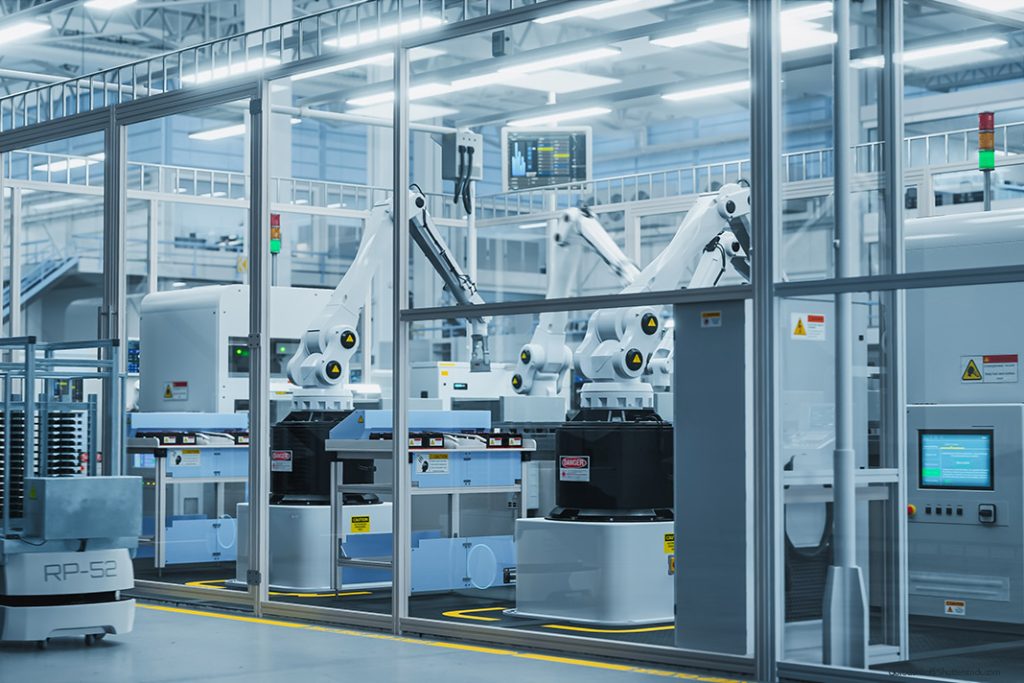
Robotic layout systems, automated fabrication, and digitally driven workflows are already becoming standard on complex projects. None of these tools eliminates the need for skilled workers. It just shifts their responsibilities.
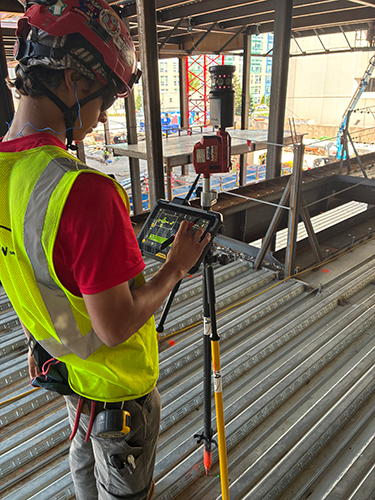
Take a robotic station layout. The device is fast and precise. But someone still must set control points, verify that the model matches field conditions, interpret the outputs, and catch it when the two don’t align. That’s not an entry-level task. It requires someone who understands both the digital input and the physical reality it’s supposed to describe.
This is creating a new kind of critical worker on the jobsite: the person who can speak to both digital and field requirements. Here are some things to consider when deploying technology and adding AI to job sites.
Digital tool literacy isn’t arriving in the field on its own. Model reading, layout verification, and output validation are teachable skills, but only if someone is doing the teaching. Work with your trade training programs, such as Local 601 Steamfitters, to introduce these capabilities earlier in the pipeline, before workers hit a jobsite running technology they’ve never seen.
Structured apprenticeship programs like Local 601 combine comprehensive classroom instruction with hands-on application, so workers enter the field with a shared baseline of technical skill, safety awareness, and familiarity with current tools and methods. That training evolves with the industry, so crews aren’t learning yesterday’s methods on a project running today’s technology.
Training is a project risk management decision, not just an HR one. Rework, coordination failures, and schedule delays trace back to skill gaps more often than most project post-mortems admit. Every hour of rework is a training investment that wasn’t made.
A well-trained workforce reduces supervisory overhead, limits exposure to avoidable errors, and tends to stay. In a market where experienced, digitally capable field workers are scarce, retention isn’t a soft benefit. It’s a competitive advantage.
Technology doesn’t build projects. Skilled workers do. And those who learn how to use the technology, trust it where it earns trust, and override it where it doesn’t are the ones who will define what excellent construction looks like going forward.

About the Author:
Tony Glaser is a Superintendent at JF Ahern Co, a mechanical, fire protection and plumbing contractor operating across the United States. He brings decades of field experience in complex mechanical systems, workforce development and integrating emerging construction technologies into high-performance project teams.
1 https://news.agc.org/news/now-available-2025-ai-resource-guide-for-construction-professionals/

Forging the Next 250 Years: Powering the Next Era of American Manufacturing
As manufacturers offer more customization than ever before, managing product complexity has become a critical challenge. Tune in with Dan Joe Barry, Vice President of Product Marketing at Configit, who explores how companies are tackling the growing number of product configurations across engineering, sales, manufacturing, and service. He explains how Configuration Lifecycle Management (CLM) helps organizations maintain a single source of truth for configuration data. The result: fewer errors, faster quoting, and the ability to deliver customized products at scale.
Get In Touch
Google news and SEO compliant, Industry Today’s state-of-the-art digital media platform offers bespoke media campaigns that target key decision makers and buyers to achieve your marketing and promotional goals.

Contribute
Showcase your brand and promote your business to our highly targeted audience. We offer detailed Google Analytics with measurable ROI to assure success. Submit your content for review by our Editorial team who will contact you to discuss the project further.
About Us
Reach Your Targeted Audience and Grow Your Business. Learn more About Industry Today.
Contact Us

© 2026 Industry today. All Rights reserved.