How is material innovation changing automotive performance? Advances in metals & manufacturing reduce weight, improve efficiency and durability.
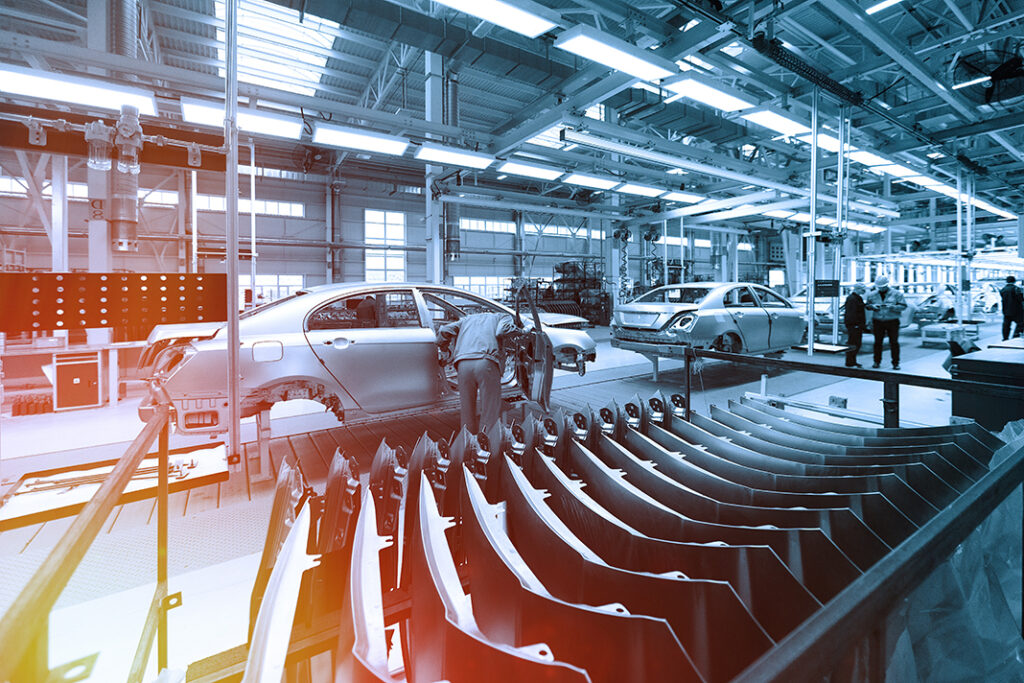
Automotive performance is increasingly shaped by advancements in materials science and manufacturing innovation. As vehicles evolve to meet higher expectations for efficiency, durability, and safety, manufacturers are placing greater emphasis on the materials used in critical components. From structural frames to drivetrain systems, the choice of materials directly affects weight, fuel efficiency, handling, and long-term reliability. In today’s competitive automotive landscape, even small improvements in material composition can lead to measurable gains in overall vehicle performance.
These developments are occurring alongside broader changes in global manufacturing and consumer demand. As production techniques improve and new alloys become more widely available, automakers are rethinking traditional design approaches. The result is a shift toward lighter, stronger, and more efficient vehicle systems that better meet modern performance standards.
According to Allianz Research, global output of basic metals and related products grew by roughly 3.5% in 2024. This increase reflects ongoing demand across multiple industries, including automotive manufacturing, where metal components remain essential to vehicle construction and performance systems.
This growth in metal production signals a broader capacity for innovation in material development. As supply expands, manufacturers gain more flexibility to experiment with new alloys and engineering techniques that improve strength-to-weight ratios. These advancements are particularly important in automotive design, where material efficiency directly impacts fuel economy, emissions, and structural integrity.
In addition, increased production capacity helps stabilize supply chains, allowing automakers to integrate advanced materials more consistently across vehicle platforms. This stability encourages further investment in research and development, accelerating the adoption of high-performance metals in both mainstream and specialized vehicle applications.
One of the most significant benefits of material innovation in automotive engineering is the ability to reduce vehicle weight without compromising strength. According to the U.S. Department of Energy, replacing traditional heavy steel parts with lighter alternatives can reduce total vehicle weight by anywhere from 10% to 60%. In practical applications, switching to components such as aluminum driveshafts alone can lower vehicle weight by approximately 10 to 20 pounds.
These reductions have a direct impact on performance. Lighter vehicles generally require less energy to accelerate and maintain speed, improving fuel efficiency and reducing strain on the engine and drivetrain. In electric vehicles, weight reduction also extends battery range, making efficiency improvements even more valuable.
Beyond efficiency, lighter materials can enhance handling and responsiveness. Reduced mass improves braking performance and cornering stability, contributing to a more controlled driving experience. As a result, material selection has become a critical focus in both performance and mainstream vehicle design, influencing everything from component engineering to full vehicle architecture.
While material innovation is improving performance and efficiency, the automotive industry is also facing increased pressure related to vehicle reliability. According to J.D. Power, the average number of problems experienced per 100 vehicles rose to 202 in 2025, marking the highest level recorded since 2009.
This increase highlights the growing complexity of modern vehicles, which now incorporate more advanced electronics, integrated systems, and specialized components than ever before. As vehicles become more technologically sophisticated, the potential for system-level issues also increases, placing greater importance on quality control and material durability.
Material innovation is fundamentally reshaping automotive performance by improving efficiency, reducing weight, and influencing long-term reliability. As global metal production continues to expand, manufacturers gain new opportunities to develop advanced components that enhance vehicle capabilities. At the same time, the shift toward lighter materials is helping improve fuel economy and handling, demonstrating the clear performance advantages of modern engineering approaches.
However, rising complexity in vehicle systems also presents new challenges in maintaining consistent reliability. As industry performance metrics show increasing issues per vehicle, the importance of durable, high-quality materials becomes even more critical. Together, these trends highlight a balancing act within the automotive industry—pushing forward with innovation while ensuring that performance gains are matched by long-term dependability.

Forging the Next 250 Years: Powering the Next Era of American Manufacturing
As manufacturers offer more customization than ever before, managing product complexity has become a critical challenge. Tune in with Dan Joe Barry, Vice President of Product Marketing at Configit, who explores how companies are tackling the growing number of product configurations across engineering, sales, manufacturing, and service. He explains how Configuration Lifecycle Management (CLM) helps organizations maintain a single source of truth for configuration data. The result: fewer errors, faster quoting, and the ability to deliver customized products at scale.
Get In Touch
Google news and SEO compliant, Industry Today’s state-of-the-art digital media platform offers bespoke media campaigns that target key decision makers and buyers to achieve your marketing and promotional goals.

Contribute
Showcase your brand and promote your business to our highly targeted audience. We offer detailed Google Analytics with measurable ROI to assure success. Submit your content for review by our Editorial team who will contact you to discuss the project further.
About Us
Reach Your Targeted Audience and Grow Your Business. Learn more About Industry Today.
Contact Us

© 2026 Industry today. All Rights reserved.