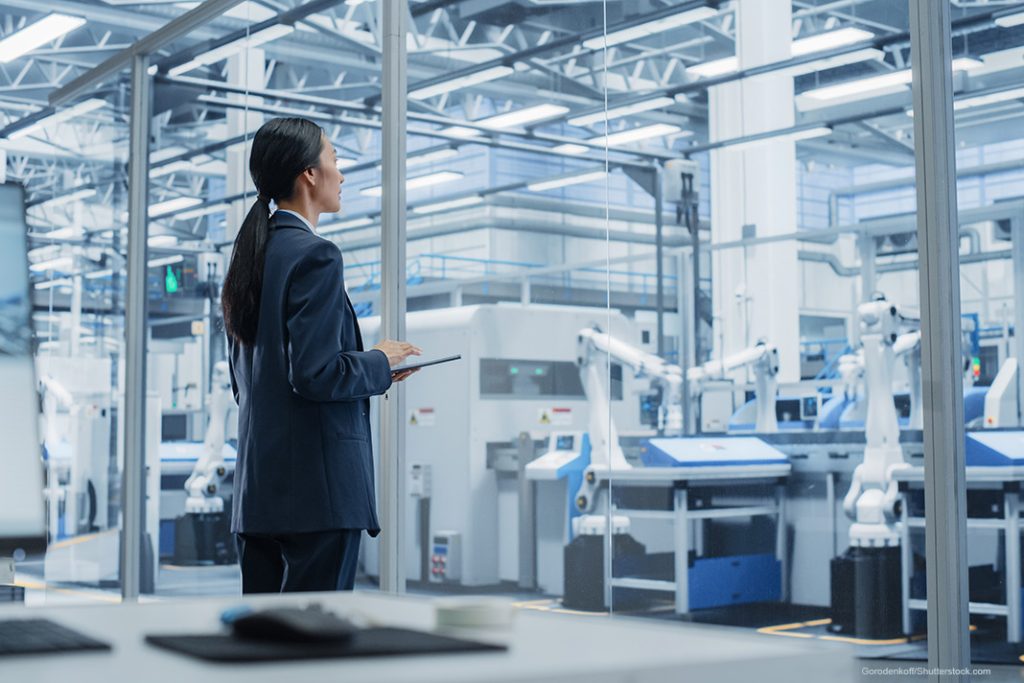
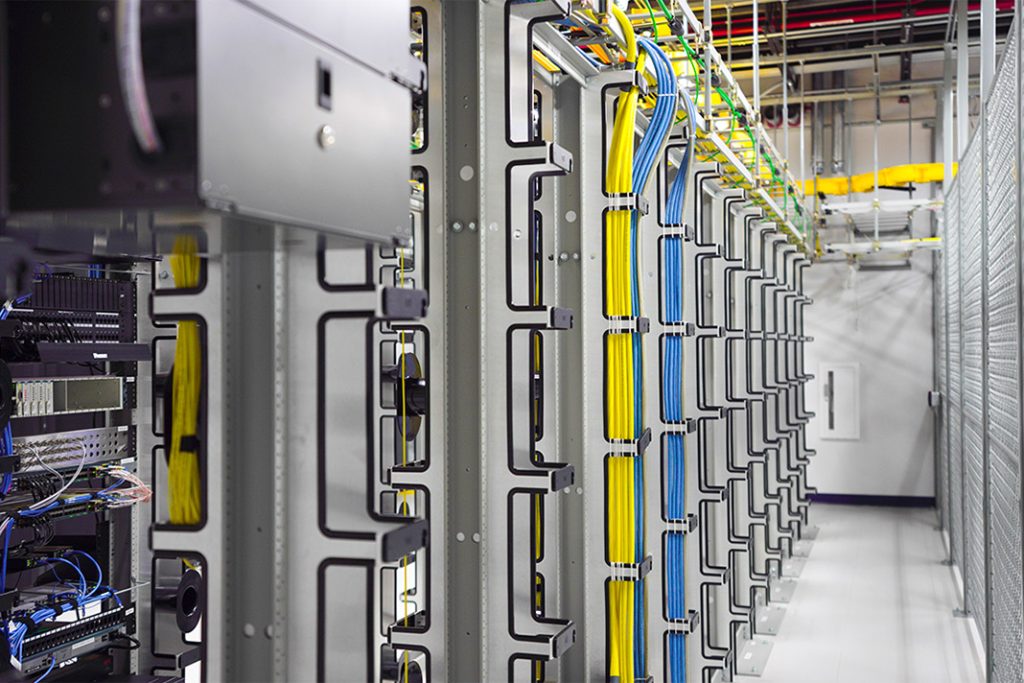
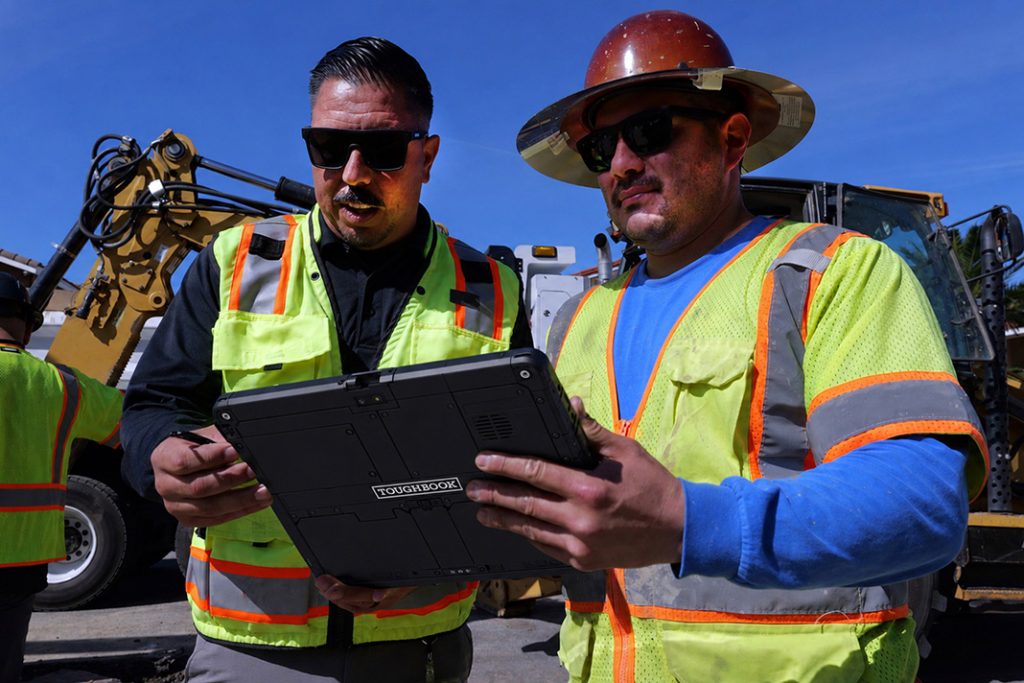
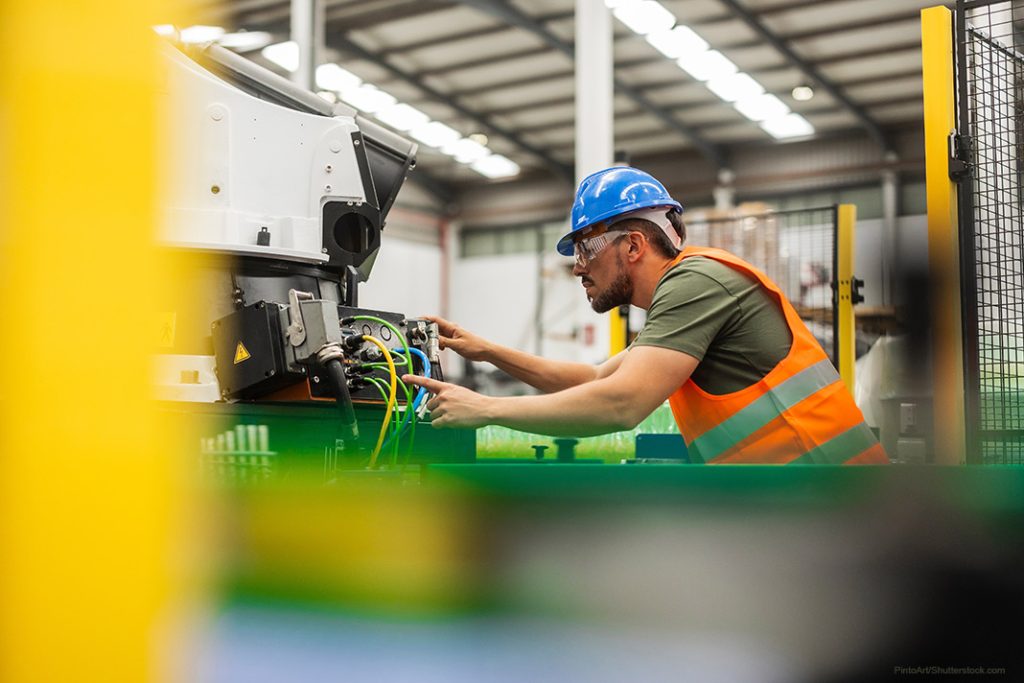
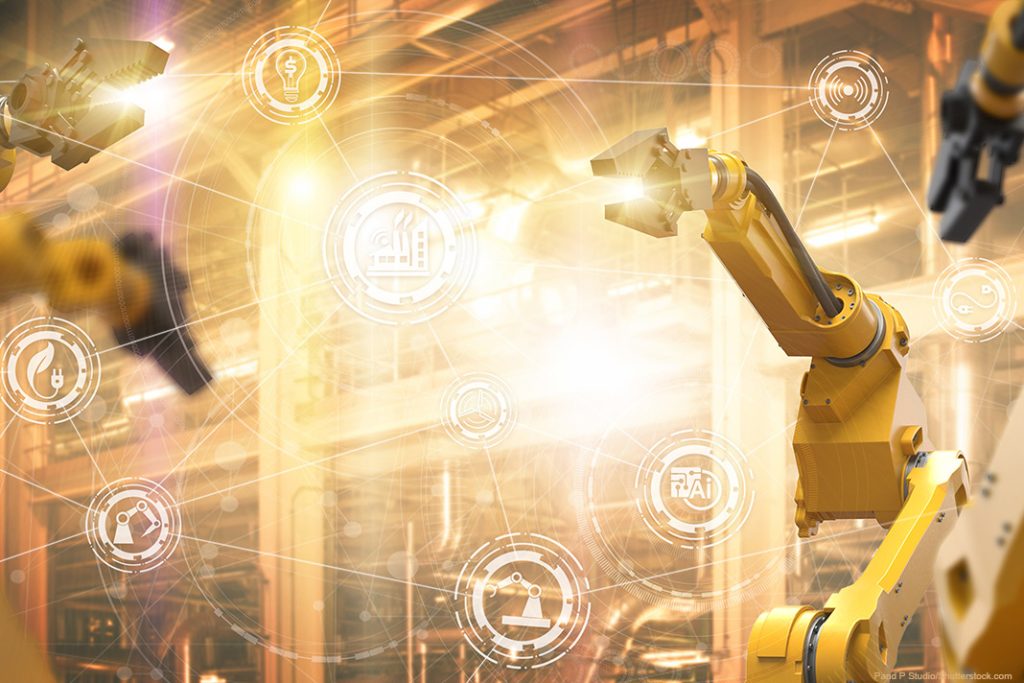
It’s 2020 and manufacturers still maintain disparate enterprise systems that don’t work well together. Some even continue to rely on manual processes that should have been automated years ago. Meanwhile, existing tools and methodologies aren’t keeping up with ever-accelerating technical, political, and competitive challenges.
Panelist(s): Kevin Cammet, Vice President Radley Corporation and Deanna Self, Industry Strategist – Logistics and Distribution, Zebra Technologies

Kevin Cammet
Kevin Cammet – Vice President of Radley Corporation. Kevin received a B.S. in Computer Science from Grand Valley State University and has been with Radley for 21 years. Kevin oversees the Data Collection division of Radley Corporation. His technical background, knowledge of our products and industry awareness help keep Radley solutions on the leading edge of our industry.

Deanna Self
Deanna Self is a manufacturing, transportation, and logistics executive with Zebra Technologies. She is an industry veteran, with over 25 years of in-depth knowledge and experience in sales, operations, and information technologies. Deanna consults with and brings insights to help transform businesses with new and sustainable technology solutions.
Prior to Zebra Technologies, Deanna spent over two decades in the food and beverage industry. She started out with owning and operating her own distributorship to most recently overseeing information and technology for the Nestle USA Sales division.
She holds a Master of Business Administration (MBA) from Queen’s University of Charlotte.
To improve productivity, warehouses need to deploy the latest, most advanced mobile computing and inventory management solutions.
Click Below to Download the Whitepaper


Forging the Next 250 Years: Powering the Next Era of American Manufacturing
In this episode of Industry Insights, Ricky Watts, General Manager, Industrial and Robotics Division at Intel Corporation, explains why the Industry 4.0 groundwork manufacturers have been laying for years is now the foundation for AI at scale. He describes how IT and OT systems are finally coming together, and how agentic AI can pull data from the plant floor, the supply chain and the C-suite to find out why a production line is underperforming. Watts also covers why chips have become strategic infrastructure, the rise of physical AI and robotics in harsh industrial settings, and the skills tomorrow’s workforce will need. He finishes with a layered approach to cybersecurity in software-defined plants.
Get In Touch
Google news and SEO compliant, Industry Today’s state-of-the-art digital media platform offers bespoke media campaigns that target key decision makers and buyers to achieve your marketing and promotional goals.

Contribute
Showcase your brand and promote your business to our highly targeted audience. We offer detailed Google Analytics with measurable ROI to assure success. Submit your content for review by our Editorial team who will contact you to discuss the project further.
About Us
Reach Your Targeted Audience and Grow Your Business. Learn more About Industry Today.
Contact Us

© 2026 Industry today. All Rights reserved.