Airspace Experience Technologies announces the AeroNet Universal Traffic Management and EdgeNode deconfliction tech for Unmanned Aircraft.
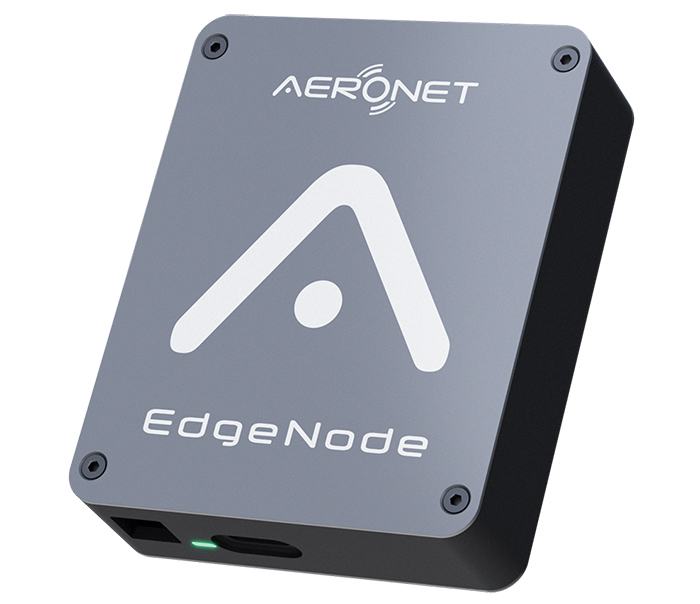
DETROIT, Mich. — Airspace Experience Technologies (ASX), developer of the AeroNet Universal Traffic Management (UTM) platform, has debuted the AeroNet EdgeNode demonstrating tactical deconfliction for Open Shared Airspace Autonomous Unmanned Aircraft System (UAS), Advanced Air Mobility (AAM) and Drones for First Responders (DFR)
This new technology solves issues for UTMs and Low Altitude Authorization and Notification Capability (LAANC) providers. Now, data will be provided for separate aircraft in real time. This top-of-the-line, cutting-edge technology delivers the industry’s most advanced and efficient deconfliction solution. It’s currently active at Detroit City Airport, Detroit Smart Parking Lab, and Michigan Central Station
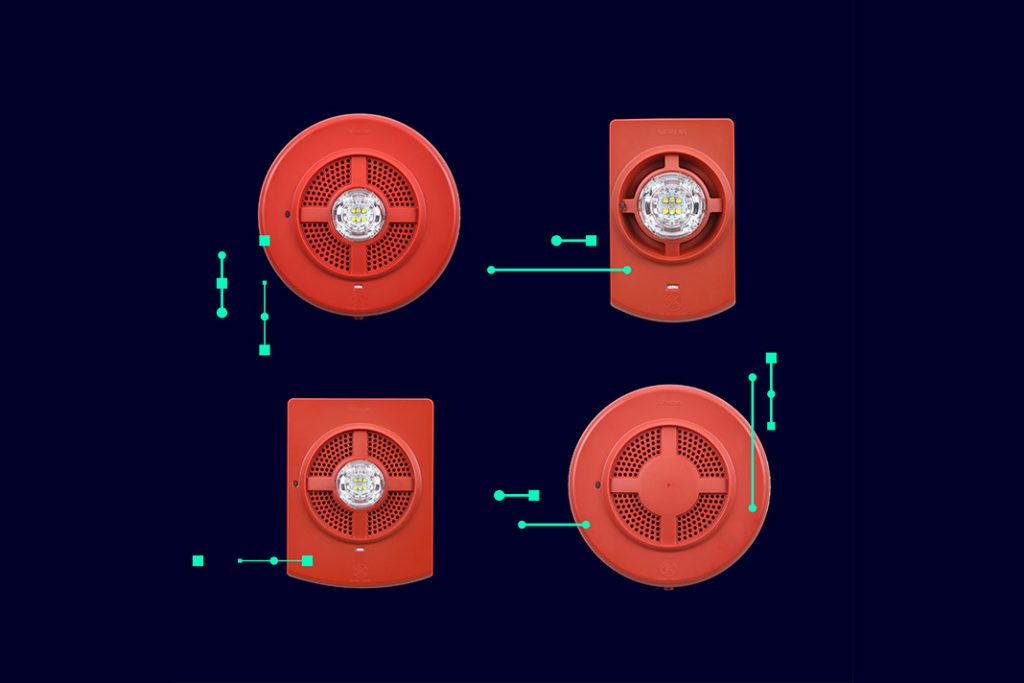
AeroNet UTM uses V2X (Vehicle-to-Everything) radios — originally developed for safety-critical automotive applications — offering deterministic latency, direct device-to-device transmission, and operation without cellular dependency. The AeroNet EdgeNode, is 50% smaller and 75% lighter than its prior generation, delivering the sub-100 millisecond reaction times required for safe autonomous separation in shared corridors.
“The UAS industry doesn’t have a regulation problem — it has an infrastructure problem,” said Jon Rimanelli, Founder & CEO, Airspace Experience Technologies. “ LAANC tells you that you’re allowed to fly. AeroNet UTM tells every vehicle in that airspace exactly where everything else is, right now, and keeps them separated in real time. That’s the difference between authorization and actual safety at scale.”
Police, fire, and EMS agencies are expanding DFR programs nationwide, but the airspace infrastructure to support safe concurrent first responder operations in shared corridors has not kept pace. AeroNet EdgeNode V2X directly addresses this gap — delivering the real-time vehicle awareness and sub-100 millisecond deconfliction that DFR operations require.
ASX deploys the same V2X hardware for airport safety — real-time ground vehicle monitoring that reduces runway incursion risk and enables coordinated autonomous runway inspections. This summer, the AeroNet EdgeNode system will serve as featured technology at the Michigan National Guard’s Northern Strike exercise at the National All-Domain Warfighting Center (NADWC), validating AeroNet in a demanding multi-domain environment alongside 7,500+ military participants from the U.S. and allied nations.
Detroit’s MEDC-backed deployments at Detroit City Airport, the Detroit Smart Parking Lab, and Michigan Central Station are building the real-world V2X infrastructure footprint that future drone corridors and DFR operations in the region will depend on.
“Airports are one of the most safety critical environments on the planet with 1,700 recorded incursions annually. That’s exactly where we’re proving this platform first. Every deployment we do in Detroit builds the infrastructure layer that autonomous flight in this region can run on,” added Rimanelli.
Michigan Economic Development Corporation (MEDC) One-Mobility Grant is supporting AeroNet UTM infrastructure deployments at Detroit City Airport, the Detroit Smart Parking Lab, and Michigan Central Station. ASX also thanks partners NextEnergy, Bedrock Detroit, and Michigan Central for their partnership in making Detroit a proving ground for autonomous mobility.
Note: AeroNet EdgeNode V2X units are pre-production prototypes. FCC authorization is in process; devices are not offered for sale or lease pending authorization.
About Airspace Experience Technologies (ASX)
ASX is a Detroit-based company building the AeroNet UTM platform — the infrastructure layer for safe, scalable autonomous vehicle operations in shared airspace, serving defense, civil, and commercial customers across AAM, DFR, airport safety, and connected infrastructure. www.AeroNetUTM.com

Forging the Next 250 Years: Powering the Next Era of American Manufacturing
As manufacturers offer more customization than ever before, managing product complexity has become a critical challenge. Tune in with Dan Joe Barry, Vice President of Product Marketing at Configit, who explores how companies are tackling the growing number of product configurations across engineering, sales, manufacturing, and service. He explains how Configuration Lifecycle Management (CLM) helps organizations maintain a single source of truth for configuration data. The result: fewer errors, faster quoting, and the ability to deliver customized products at scale.
Get In Touch
Google news and SEO compliant, Industry Today’s state-of-the-art digital media platform offers bespoke media campaigns that target key decision makers and buyers to achieve your marketing and promotional goals.

Contribute
Showcase your brand and promote your business to our highly targeted audience. We offer detailed Google Analytics with measurable ROI to assure success. Submit your content for review by our Editorial team who will contact you to discuss the project further.
About Us
Reach Your Targeted Audience and Grow Your Business. Learn more About Industry Today.
Contact Us

© 2026 Industry today. All Rights reserved.