In an age when everything seems to be going digital, it can be easy to forget the importance of the good old-fashioned phone call. However, we shouldn’t be so quick to dismiss the humble phone call. Through the advent of click-to-call, the phone call has become more popular than it’s been in a long time.
So, what exactly is click-to-call? Click-to-call appears in search results when people look for your business on through their search engine or social media. This allows users to get in touch with your business within one swift click of a button.
You may ask, why are people still taking the time to make a call when they can just Google it? Well, you may be shocked to hear that not everything is easier to do online. Oftentimes, people just find it more convenient to phone as it allows them to quickly get an answer or accomplish a goal, source information not available online, or simply just talk to a real human being.
The figures back up the profitability of this growing trend. In 2016, global click-to-call revenue was $7.41 billion, and experts predict that this will reach $13.7 billion by 2020. Customers love the convenience and ease of click-to-call, with 51% of mobile users saying they “always” or “frequently” need to call a business from a mobile search ad.
So how can you make the most of the click-to-call opportunity for your business? The first thing would be to check out this highly informative infographic from M2 On Hold which takes you through how click-to-call can help your business. Learn more in the infographic and don’t let your competitors get ahead of you.

Forging the Next 250 Years: Powering the Next Era of American Manufacturing
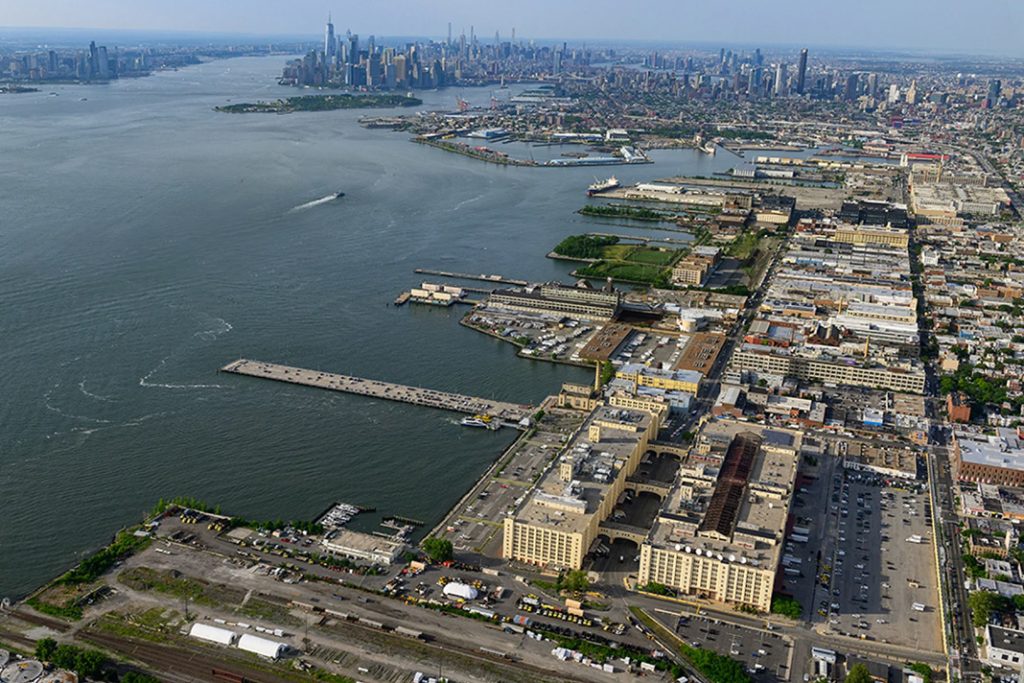
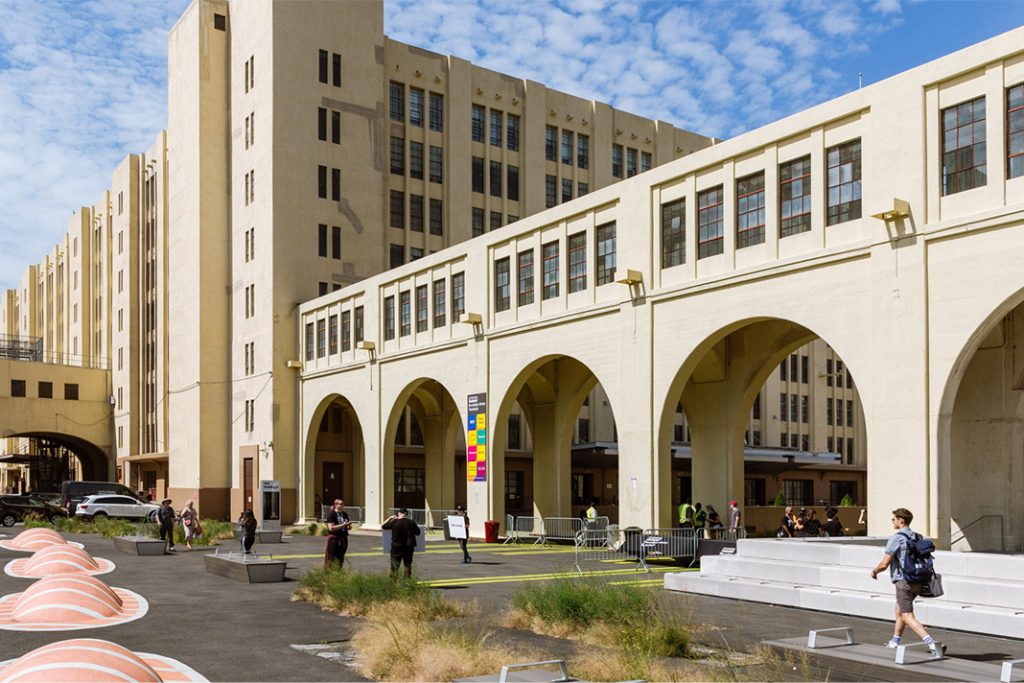
Brooklyn Army Terminal (BAT) began as a World War II-era military supply base. Today it is New York City’s largest publicly owned industrial campus, with 59 waterfront acres, more than 4 million square feet and over 100 businesses. In this episode of Industry Insights, Bridget Chansakul, Vice President of Leasing & Portfolio Management at NYCEDC, explains what space is available and what’s planned for the 250,000+ square feet of new industrial space in Building A. She also covers how the ferry, parking and on-site childcare help tenants hire and keep workers, along with workforce partnerships, City incentives for manufacturers and where BAT is headed next.
Get In Touch
Google news and SEO compliant, Industry Today’s state-of-the-art digital media platform offers bespoke media campaigns that target key decision makers and buyers to achieve your marketing and promotional goals.

Contribute
Showcase your brand and promote your business to our highly targeted audience. We offer detailed Google Analytics with measurable ROI to assure success. Submit your content for review by our Editorial team who will contact you to discuss the project further.
About Us
Reach Your Targeted Audience and Grow Your Business. Learn more About Industry Today.
Contact Us

© 2026 Industry today. All Rights reserved.