As the United States approaches its 250th anniversary, American manufacturing finds itself at another historic inflection point.
Two and a half centuries ago, the nation’s economic foundation was built on small workshops, ironworks and textile mills that powered independence and industrial growth. Today, in 2026, manufacturing again stands at a defining moment – not of revolution, but of recalibration. What began as a reactive period of disruption management is evolving into a deliberate industrial reset.
Across sectors, manufacturers are shifting from short-term resilience tactics to long-term structural transformation. Capital allocation, workforce development, energy strategy and digital adoption are no longer siloed initiatives. They are converging into a new operating model designed for durability and competitive advantage.
The past several years forced manufacturers to respond quickly to supply chain volatility, labor shortages and shifting demand patterns. Many focused on inventory buffering, supplier diversification and cost control. But as 2026 unfolds, the tone in boardrooms has shifted.
According to recent outlooks from the National Association of Manufacturers and Deloitte’s 2025–2026 Manufacturing Industry Outlook, capital spending intentions remain steady, but the emphasis has changed. Investment is increasingly targeted toward automation, analytics, energy infrastructure and workforce upskilling rather than simple capacity expansion.
The difference is strategic clarity. Manufacturers are no longer asking how to return to pre-2020 norms. They are designing operations for a structurally different environment, one defined by higher input costs, geopolitical fragmentation and accelerating technological change.
Reshoring continues to generate headlines, but the second wave looks very different from the first.
Earlier reshoring conversations often centered on labor arbitrage and tariff avoidance. In 2026, the economics are being driven by automation and risk mitigation. Companies are regionalizing production not simply to bring jobs back, but to create more controllable, technology-enabled ecosystems closer to end markets.
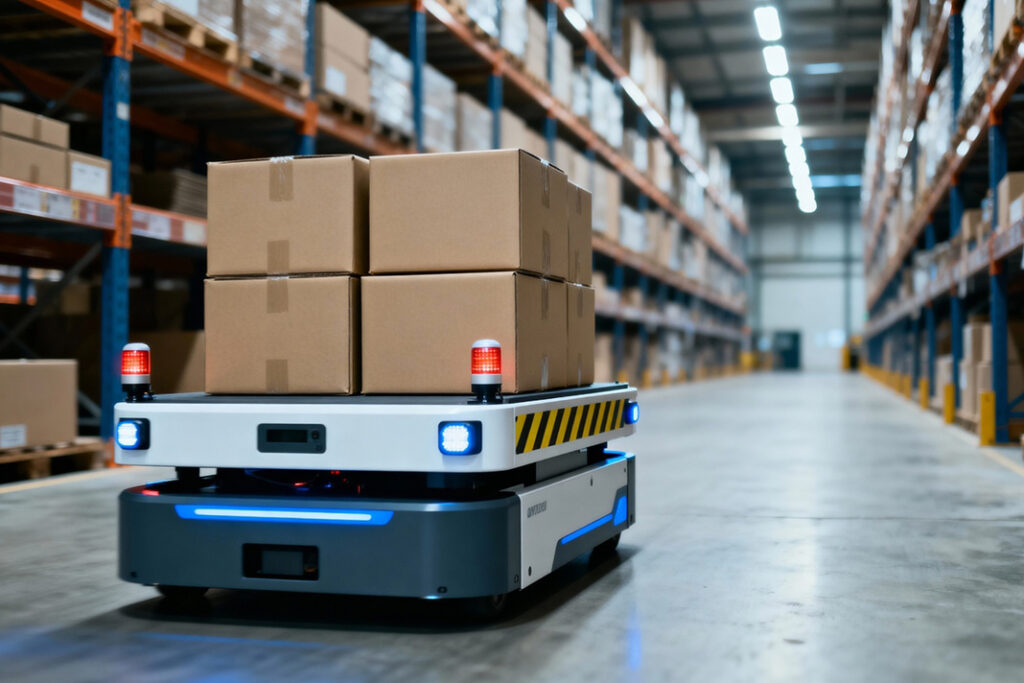
Advanced robotics, AI-driven scheduling and flexible manufacturing cells are making smaller, more automated domestic facilities viable. This shift reduces exposure to long transit times and geopolitical risk while maintaining cost competitiveness.
Perhaps the most underappreciated shift of this industrial reset is the elevation of energy strategy to a board-level concern.
Industrial electricity demand is rising as automation deepens and electrification expands. At the same time, grid constraints and pricing volatility are forcing manufacturers to think beyond traditional procurement.
Manufacturers are increasingly evaluating onsite generation, battery storage, long-term power purchase agreements and microgrid capabilities. In energy-intensive sectors, from chemicals to metals to advanced materials, resilience planning is becoming as critical as supply chain planning.
Artificial intelligence is another pillar of the reset, but with a more pragmatic tone than in previous years.
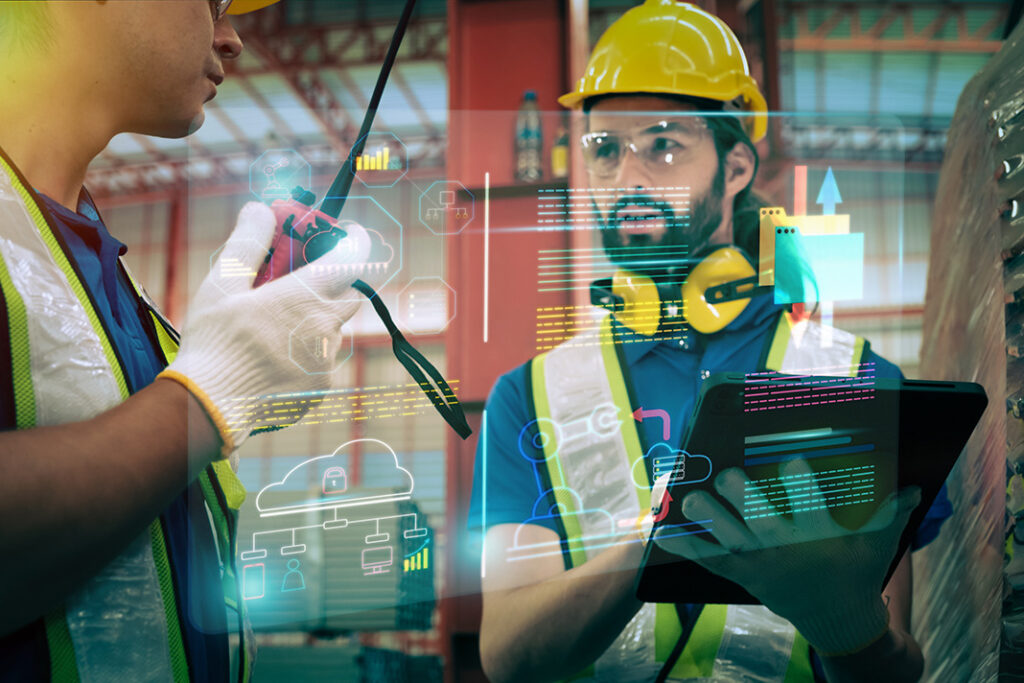
After a wave of experimentation, manufacturers are narrowing focus to high-impact use cases. Predictive maintenance, computer vision quality inspection and AI-assisted production scheduling are delivering measurable returns. Companies are becoming more disciplined in tying digital investments directly to operational metrics: uptime, scrap reduction, throughput and working capital improvement.
Even as automation expands, the workforce challenge persists – but it is evolving.
Manufacturers report ongoing difficulty filling skilled trades, maintenance and technical roles. However, the issue is less about total labor availability and more about capability alignment. Advanced equipment requires technicians comfortable with digital diagnostics, robotics interfaces and data interpretation.
In response, many companies are investing more aggressively in apprenticeship programs, community college partnerships and internal training academies. Rather than competing solely on wages, forward-looking manufacturers are building talent pipelines.
Input costs – labor, energy, materials remain structurally higher than pre-pandemic levels. Rather than waiting for deflationary relief, manufacturers are redesigning operations to protect profitability.
Lean initiatives are being paired with digital visibility tools. Inventory strategies are more balanced, avoiding both overstocking and vulnerability. Pricing strategies are increasingly data-driven. CFOs are demanding capital projects demonstrate realistic ROI timelines.
As the United States commemorates its 250th year, manufacturing once again serves as a barometer of national resilience.
The first 250 years saw transformation from agrarian workshops to global industrial leadership. Each era brought disruption – wars, depressions, technological revolutions – and each required reinvention.
The industrial reset underway in 2026 fits squarely within that historical arc. It is not driven by a single breakthrough or crisis, but by the convergence of forces reshaping how and where value is created.
Resilience is now structural, not reactive. Energy is strategic, not transactional. Talent is continuous, not static. Technology is embedded, not experimental.
Manufacturing’s role in America’s next quarter millennium will depend less on scale alone and more on adaptability.
Tell us what you think: How are you recalibrating strategy in your manufacturing operations this year?
Email us or join the conversation on LinkedIn:
Susan Poeton | Industry Today

Industry in Transition: The Forces Reshaping Manufacturing
As manufacturers offer more customization than ever before, managing product complexity has become a critical challenge. Tune in with Dan Joe Barry, Vice President of Product Marketing at Configit, who explores how companies are tackling the growing number of product configurations across engineering, sales, manufacturing, and service. He explains how Configuration Lifecycle Management (CLM) helps organizations maintain a single source of truth for configuration data. The result: fewer errors, faster quoting, and the ability to deliver customized products at scale.
Get In Touch
Google news and SEO compliant, Industry Today’s state-of-the-art digital media platform offers bespoke media campaigns that target key decision makers and buyers to achieve your marketing and promotional goals.

Contribute
Showcase your brand and promote your business to our highly targeted audience. We offer detailed Google Analytics with measurable ROI to assure success. Submit your content for review by our Editorial team who will contact you to discuss the project further.
About Us
Reach Your Targeted Audience and Grow Your Business. Learn more About Industry Today.
Contact Us

© 2026 Industry today. All Rights reserved.