Spoiler: It’s demand planning.
There’s nothing more thrilling—and stressful—than launching a new product. You’ve put your blood, sweat, and tears into building the right product, the hype, and have even nailed the timing, and then…the shelves go empty. It happens fast: a product takes off, demand surges, and suddenly you’re out of stock!
In my experience working with product teams, it’s rarely the product that falls short—it’s the planning behind it. That’s why demand planning is the unsung hero of every successful launch. It’s what turns hype into lasting momentum.
Demand planning isn’t just a post-launch operations task. It should be built into your go-to-market strategy from day one. Why?
Because even the best product in the world won’t succeed if customers can’t get their hands on it.
Smart demand planning helps you:
In other words, it helps you launch confidently—without the guesswork.
Launching a product with a viral buzz? TikTok influencers already unboxing it? Press coverage rolling in?
That’s awesome… and risky.
Viral products come with surge demand, which is great until your inventory is wiped out in 48 hours. And then what? Backorders, delays, apologies, refunds—and the dreaded “we’ll notify you when it’s back in stock” message.
Demand planning helps you prepare by:
The brands that nail the follow-through after a viral moment are the ones with demand planning baked into their DNA.
Even if your business thrives on consistency—not virality—demand planning still makes or breaks your launch.
Launching a new flavor? Upgrading a long-standing product? Expanding into a new region?
You still need to:
And here’s the kicker: good demand planning doesn’t just help you launch. It helps you stay in stock, manage reorders, and avoid that dreaded post-launch slump where interest is high—but inventory is low.
Both situations? Avoidable. With better forecasting and real-time demand planning, they could’ve captured more sales—and avoided costly mistakes.
Launching a product without demand planning is like stepping into a race without checking if your shoes are tied. You might be fine. But the smarter move? Prepare.
Whether you’re going for viral success or building on a brand that customers already trust, demand planning gives you control, confidence, and consistency. It helps you strike the right balance between bold innovation and operational readiness.

Forging the Next 250 Years: Powering the Next Era of American Manufacturing
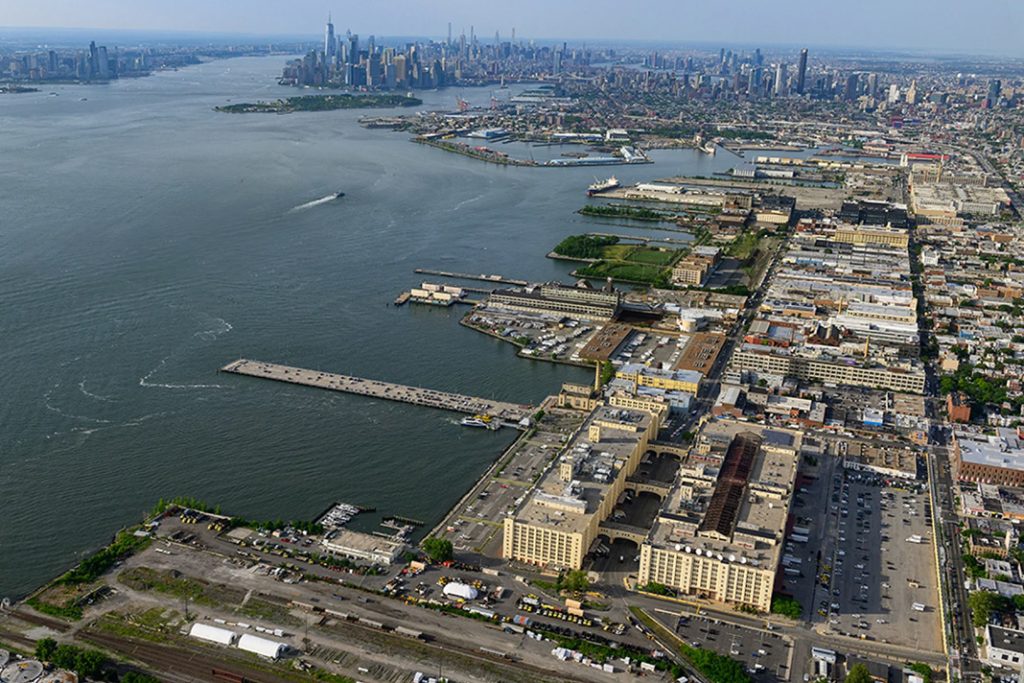
Brooklyn Army Terminal (BAT) began as a World War II-era military supply base. Today it is New York City’s largest publicly owned industrial campus, with 59 waterfront acres, more than 4 million square feet and over 100 businesses. In this episode of Industry Insights, Bridget Chansakul, Vice President of Leasing & Portfolio Management at NYCEDC, explains what space is available and what’s planned for the 250,000+ square feet of new industrial space in Building A. She also covers how the ferry, parking and on-site childcare help tenants hire and keep workers, along with workforce partnerships, City incentives for manufacturers and where BAT is headed next.
Get In Touch
Google news and SEO compliant, Industry Today’s state-of-the-art digital media platform offers bespoke media campaigns that target key decision makers and buyers to achieve your marketing and promotional goals.

Contribute
Showcase your brand and promote your business to our highly targeted audience. We offer detailed Google Analytics with measurable ROI to assure success. Submit your content for review by our Editorial team who will contact you to discuss the project further.
About Us
Reach Your Targeted Audience and Grow Your Business. Learn more About Industry Today.
Contact Us

© 2026 Industry today. All Rights reserved.