Just how is automation transforming the farming industry?
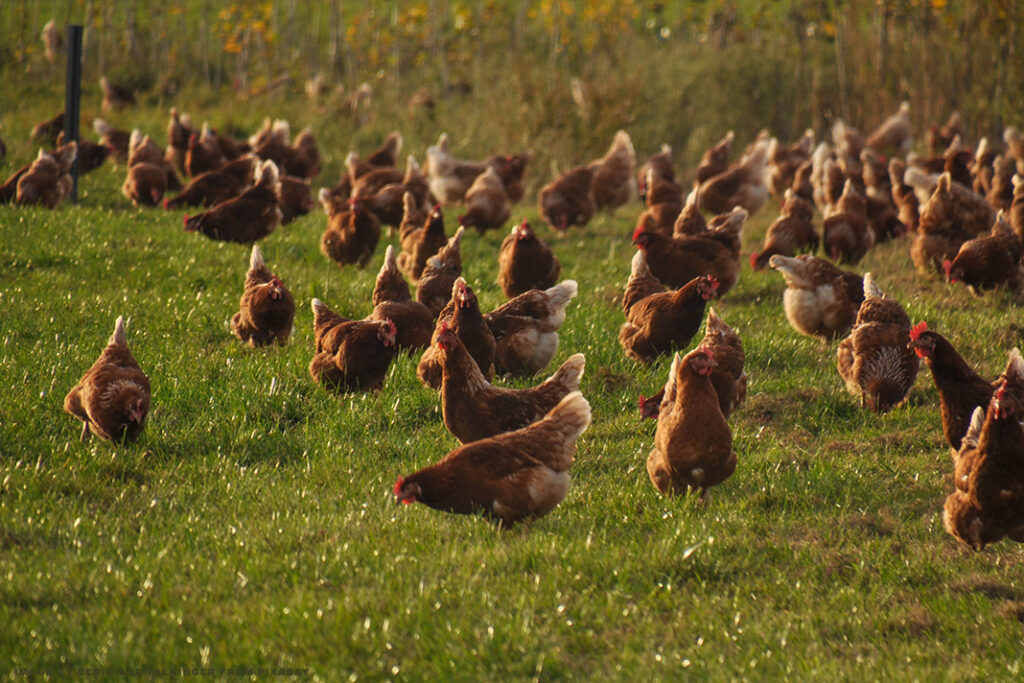
The development of agriculture was a turning point in humanity. Society could not exist without food sources. Today, with a world population of 7.8billion and rising, the farming industry must continue to modernise so that it can provide sustenance on such a huge scale, yet in an economical way.
Agriculture is one of the most advanced industries when it comes to the use of automation technology. So, just how is automation transforming the farming industry?
With enormous expanses of land, and generally only a few workers manning it, technology that can work the land with minimal oversight is a significant benefit.
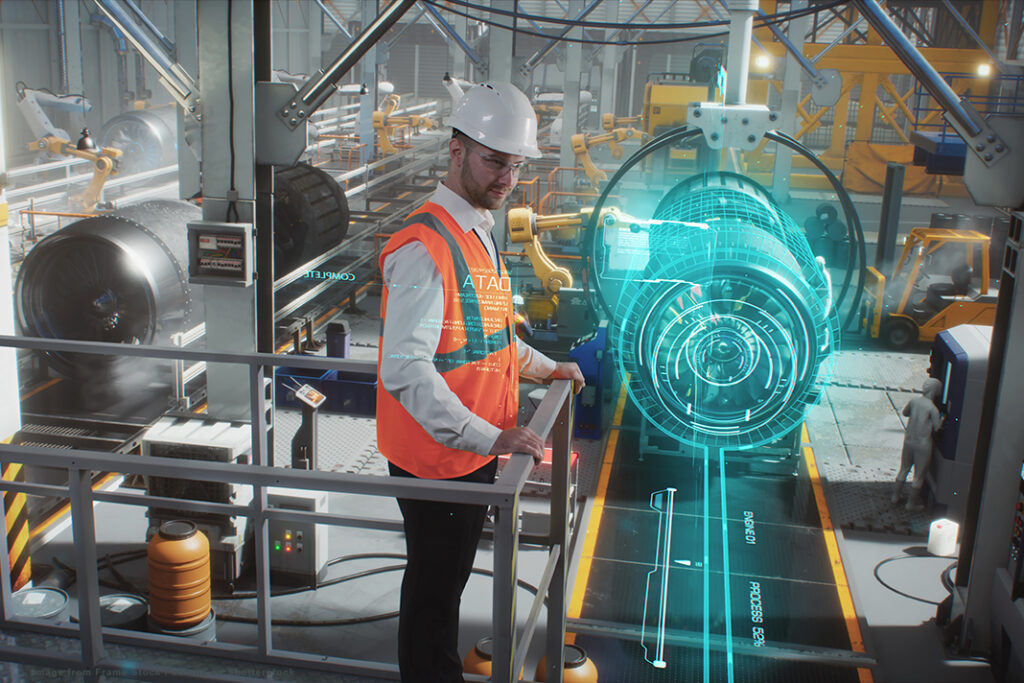
Automation and robotics are changing agriculture at a startling pace. With the advance in technology, farmers can now get their hands on the likes of tractors and combine harvesters with GPS-enabled self-steering systems, weeding robots and drones to monitor conditions remotely.
The main goal of farm automation is to cover the easier, everyday jobs. Harvesting fruit and vegetables, for example, has always been fairly hard to automate. It is essential that harvest robots are gentle with the produce to reduce chances of damage. Today, certain robots can now successfully harvest fruits such as strawberries and apples.
Additional superb robots include those that have been developed for weeding and seeding. Targeting specific crop areas, they’re incredibly accurate and can reduce pesticide usage.
Once farmers have invested in the technology that they’d benefit from most, it’s also vital that they stock up on all the industrial controls they might need. From contactors and motor controllers to machine guarding and timers, they will be able to keep things moving, while ensuring everyone’s safety.
Machinery helps farmers to accomplish basic tasks faster, which has a knock-on positive effect on productivity levels. Farmers are often impacted by labour shortages, and as a result sometimes have to move to less labour-intensive crops.
Thanks to the likes of harvest robots, routine tasks can now be automated, reducing labour costs and the manpower needed. A job that might usually take thirty farm workers can now be carried out by one single machine.
Farming is a hazardous industry. Farmers are exposed to terrible weather, chemicals, livestock, loud noises and potentially dangerous vehicles and machinery. Over the last decade, almost one person per week has been killed as a direct result of agricultural work, and many more have been injured.
Farming automation offers an additional huge benefit in that it provides great safety. Because machines can now do the work instead of humans, a lot less people will end up getting hurt.
Currently, we are only at the early stages of farm automation technology, but there is no doubt that it will continue to transform agriculture.

Forging the Next 250 Years: Powering the Next Era of American Manufacturing
Brooklyn Army Terminal (BAT) began as a World War II-era military supply base. Today it is New York City’s largest publicly owned industrial campus, with 59 waterfront acres, more than 4 million square feet and over 100 businesses. In this episode of Industry Insights, Bridget Chansakul, Vice President of Leasing & Portfolio Management at NYCEDC, explains what space is available and what’s planned for the 250,000+ square feet of new industrial space in Building A. She also covers how the ferry, parking and on-site childcare help tenants hire and keep workers, along with workforce partnerships, City incentives for manufacturers and where BAT is headed next.
Get In Touch
Google news and SEO compliant, Industry Today’s state-of-the-art digital media platform offers bespoke media campaigns that target key decision makers and buyers to achieve your marketing and promotional goals.

Contribute
Showcase your brand and promote your business to our highly targeted audience. We offer detailed Google Analytics with measurable ROI to assure success. Submit your content for review by our Editorial team who will contact you to discuss the project further.
About Us
Reach Your Targeted Audience and Grow Your Business. Learn more About Industry Today.
Contact Us

© 2026 Industry today. All Rights reserved.