How can manufacturers identify and address workforce-related risks that threaten business continuity?
By Paul Sellers
Manufacturers can strengthen business continuity by identifying dependencies on critical employees, retaining experienced talent, preparing future leaders, and regularly reassessing workforce risks. These priorities extend beyond labor shortages, which 34% of manufacturing C-suite leaders identified as a top business threat, according to a survey by Wakefield Research on behalf of Sentry® Insurance.
Concentrated institutional knowledge, employee turnover, and leadership gaps can be just as disruptive to operations as equipment failures or supply chain interruptions. Five questions can help manufacturers identify workforce vulnerabilities and take steps to address them.
Every manufacturing operation relies on mission-critical employees who don’t necessarily hold executive titles. Consider the machinist who knows how to compensate for aging equipment, the maintenance technician familiar with recurring failures, or the quality specialist who understands a major customer’s specifications; or the salesperson who holds long-standing relationships with major regional buyers.
Experience like this is an asset, but concentrating knowledge, relationships, or decision-making creates vulnerabilities. Whether it’s a long-time employee, a founder who approves major customer decisions, or an executive managing critical supplier relationships, an unexpected departure can disrupt operations.
Leaders can reduce manufacturing workforce continuity risks by:
Retention is more than an HR concern. Losing experienced employees can disrupt operations, particularly when they possess specialized skills or serve as informal leaders whom co-workers rely on for guidance.
Emerging managers and executives also consider whether the organization offers the training, advancement, compensation, and stability needed for a long-term career. Understanding why critical employees stay—and what might cause them to leave—should inform workforce continuity and manufacturing succession planning.
Employee benefits can support a broader retention strategy. Leaders should consider:
Leadership vulnerabilities can emerge as manufacturing operations grow and change, making succession planning an ongoing priority.
Adding production lines or facilities may require technically skilled supervisors to assume management responsibilities they’re not prepared for. Advances in operational technology also can demand new leadership capabilities, from managing workflows to making data-driven decisions.
Preparing successors requires developing both technical knowledge and the leadership skills needed to guide employees, make decisions, and assume greater responsibility. Succession planning should also address unexpected leadership departures and ownership transitions.
Important considerations include:

Continuity plans developed five years ago may no longer reflect a manufacturer’s operations or future needs. Opening facilities, acquiring businesses, adopting new technology, or serving larger customers can change workforce responsibilities, staffing needs, and operational dependencies.
As manufacturing businesses evolve, owners and leaders should annually reassess four areas:
Manufacturers cannot fully protect business continuity without protecting the people, knowledge, and leadership that keep operations running. Workforce vulnerabilities deserve the same attention as equipment failures, supply chain disruptions, and other operational risks.
Consider how the unexpected loss of a critical employee or leader could affect production, customer relationships, or decision-making. Identify critical workforce dependencies, assess who could step in, and assign responsibility for addressing gaps.
Key considerations include:
Integrating these measures into broader risk management planning helps manufacturers address workforce vulnerabilities before they disrupt operations.
“Manufacturers cannot fully protect business continuity without protecting the people, knowledge, and leadership that keep operations running.”
Manufacturers routinely assess operational dependencies, but applying the same discipline to workforce risks can reveal vulnerabilities in institutional knowledge, retention, and leadership succession. Addressing these risks through coordinated workforce, financial, and insurance strategies can help protect current operations and support long-term manufacturing business continuity.
Because production depends on experienced employees, specialized knowledge and effective leadership. Losing critical personnel without adequate preparation can disrupt operations, customer relationships, and production schedules.
At least annually, and whenever significant changes occur, such as expansion, new technology adoption, leadership transitions or changes in staffing.
Employee benefits can support retention, while key-person insurance and life insurance arrangements may help address financial exposures associated with losing critical leaders or navigating ownership transitions.
About the Author:
Paul Sellers is Senior Director of Life & Annuities for Sentry® Insurance.
Read more from the author:
Business Continuity Planning for Greenhouse Leaders: 5 Questions to Ask | Greenhouse Grower (October 3, 2026)

Forging the Next 250 Years: Powering the Next Era of American Manufacturing
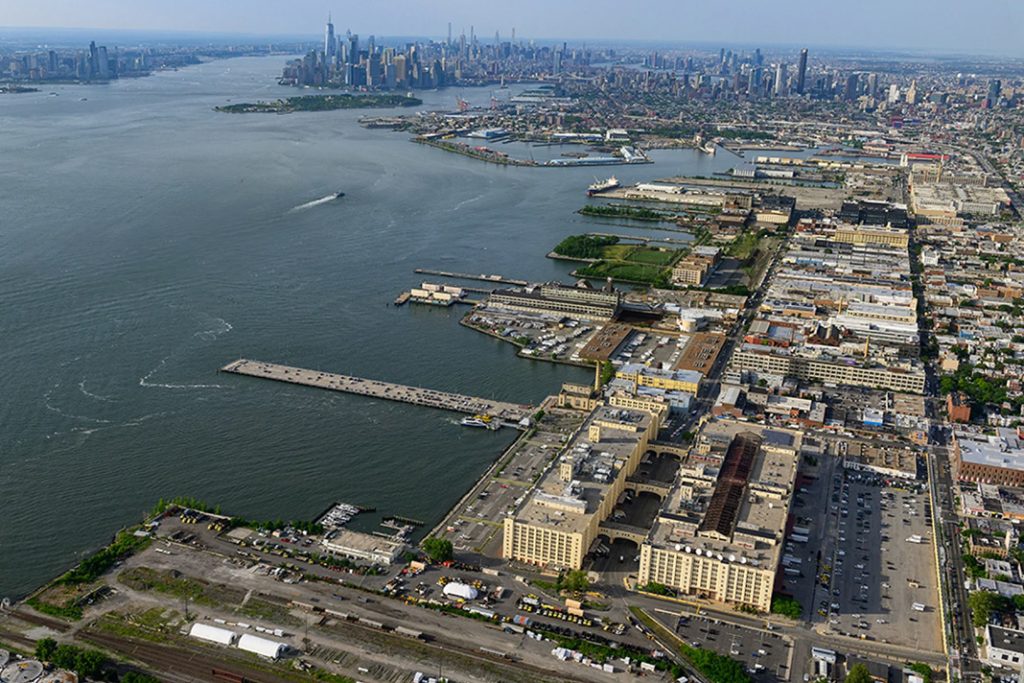
Brooklyn Army Terminal (BAT) began as a World War II-era military supply base. Today it is New York City’s largest publicly owned industrial campus, with 59 waterfront acres, more than 4 million square feet and over 100 businesses. In this episode of Industry Insights, Bridget Chansakul, Vice President of Leasing & Portfolio Management at NYCEDC, explains what space is available and what’s planned for the 250,000+ square feet of new industrial space in Building A. She also covers how the ferry, parking and on-site childcare help tenants hire and keep workers, along with workforce partnerships, City incentives for manufacturers and where BAT is headed next.
Get In Touch
Google news and SEO compliant, Industry Today’s state-of-the-art digital media platform offers bespoke media campaigns that target key decision makers and buyers to achieve your marketing and promotional goals.

Contribute
Showcase your brand and promote your business to our highly targeted audience. We offer detailed Google Analytics with measurable ROI to assure success. Submit your content for review by our Editorial team who will contact you to discuss the project further.
About Us
Reach Your Targeted Audience and Grow Your Business. Learn more About Industry Today.
Contact Us

© 2026 Industry today. All Rights reserved.