To avoid disasters, prioritize day-to-day reliability over responsive fixes.
When a fire swept through a Novelis hot mill in upstate New York in October, it triggered an aluminum supply crunch that convulsed the automotive supply chain, with Ford alone reportedly losing up to $2 billion in sales.
The truth is, events like this aren’t rare, they’re just rarely this visible.
It’s too soon to know what caused the Novelis fire. But when the plant comes back online this month, managers will undoubtedly ensure fire safety protocols are followed to the letter. That’s how it goes: after any disaster, people get serious about safety.
Ideally, of course, we wouldn’t wait for billion-dollar disasters before taking action. Instead of responsive safety fixes, industrial organizations need systemic solutions that make safety the daily default, heading off accidents before they become national headlines. That requires a new strategic focus, not on reflexive safety management, but on day-to-day reliability and maintenance.
Hindsight is always 20/20: in the aftermath of a disaster, it’s easy to say that the Hindenburg shouldn’t have had a smoking lounge, or that NASA should have heeded warnings about the Challenger’s O-rings. But such fixes are shutting the door after the horses have bolted. To prevent disasters from happening in the first place, we need a more proactive approach.
History shows this pattern clearly. At DuPont, once considered the gold standard for industrial safety, seemingly routine deviations from hazard controls preceded several major incidents, demonstrating how even world-class organizations can suffer catastrophic outcomes when reliability standards begin to drift.
That starts with recognizing that safety is a function of reliability. Most disasters start with small problems that balloon into bigger crises: delayed maintenance, deviations from standard operating procedures (SOPs), or minor operational lapses left unaddressed. A missed inspection here, an outdated work permit there, these small cracks accumulate until the entire safety architecture fails. Whether it’s a leaking seal, a disabled alarm, or a skipped procedural step, everyday lapses compound and create the exact conditions in which catastrophic failures take root. Across countless industries, from explosives manufacturing to steel production, and from oil refining to battery storage, reliability drift eventually flares into major safety issues.
To move beyond reactive fixes, we need to view reliability and maintenance as the foundations of operational safety. Only by giving managers and frontline teams the tools to ensure reliability can we create smarter, safer, and more resilient workplaces.
I met with a CEO a couple of weeks ago who was obsessed with sustainability. It shaped every decision he made, but you wouldn’t know it at first glance. “If I told everyone I was building a sustainable business, I’d never get a dollar,” the executive explained. Instead, he sneaks sustainability into his operations via value-driving processes, more efficient engineering or more reliable energy procurement, for instance.
Today, almost 9 out of 10 companies view sustainability through the lens of value creation. It’s time for a similarly pragmatic approach to workplace safety. It isn’t enough to say safety is a priority; we need to go back to first principles, and demand safety improvements that also deliver concrete bottom-line benefits.
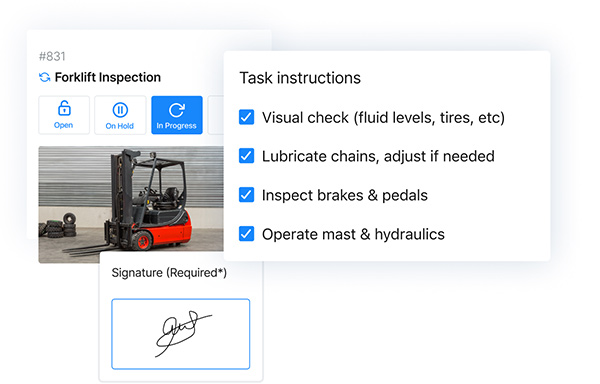
This is where a focus on reliability can be transformative. The ROI on “safety” is mostly from avoided losses, but the ROI on reliability is more immediate. When you standardize workflows, (and maintain those standards!), you can reduce variance, cut incident rates, slash downtime, and boost capacity. More reliability means higher equipment availability and more time shipping product; it also means lower workforce costs and more stable schedules.
Reliability, in other words, makes organizations safer while also improving profitability. In fact, research shows that when teams operationalize safety through reliability and maintenance, they see an average 32% reduction in unplanned downtime and a 53% improvement in work-order completion. Instead of a discrete goal, “avoiding accidents”, safety is integrated into a value engine that can be continuously optimized to increase productivity and resilience across the organization.
How can companies build for reliability? The transition always starts with effective leadership. But good intentions aren’t enough, managers must consciously design frontline operations to ensure the safest way of working is also the fastest, cheapest, and most auditable way.
Here are six key steps every organization can take:
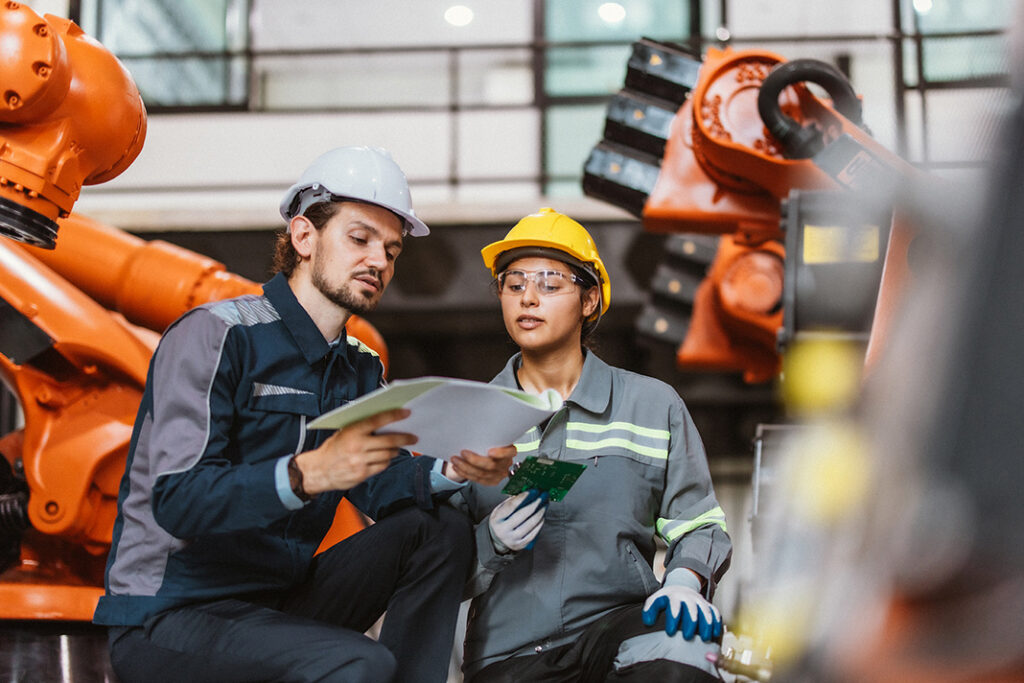
For leaders, the goal must be to make the safest way the standard way. Instead of simply avoiding disasters, leaders must make safety a daily practice, and build out support systems that allow frontline teams to spot problems, preserve and share institutional knowledge, and rapidly upskill new hires.
The reality is that minor operational lapses quickly compound, leading to downtime, injuries, and lost capacity. To avoid that, organizations must make reliability and safety part of every worker’s daily responsibilities, ensuring that everyone knows exactly what’s needed, and has the tools to get the job done right.
This requires a cultural shift, with organizations realigning around a more practical, proactive, and positive approach to workplace safety. Companies that get this right won’t just avoid catastrophic failures, they’ll also find it easier to hire and retain workers, maximize output, and safely and efficiently adapt to disruption of all kinds.
So don’t wait for a catastrophe to change your culture for you. With the right technological and organizational backbone, frontline teams can proactively spot hazards, lock in best practices, and bake reliability and safety into their daily workflows. Reliability isn’t just a safety strategy, it’s the backbone of modern industrial competitiveness.
About the Author:
Nick Haase is the co-founder of MaintainX, an AI-powered maintenance and asset management platform transforming how frontline teams operate. Over the past seven years, he has helped scale MaintainX into a global leader trusted by more than 12,000 manufacturing and other industrial companies to boost production, reduce unplanned downtime, and build more resilient operations. Today Nick continues to drive MaintainX’s rapid growth and innovation, shaping the future of industrial maintenance and operations.
Read more from the author:
Digital Transformation Is a Sales Job, and the Customer Is the Floor | Manufacturing.net, Nov 7, 2025
A Guide to Autonomous Maintenance | Quietly Digest, Oct 14, 2025

Industry in Transition: The Forces Reshaping Manufacturing
As manufacturers offer more customization than ever before, managing product complexity has become a critical challenge. Tune in with Dan Joe Barry, Vice President of Product Marketing at Configit, who explores how companies are tackling the growing number of product configurations across engineering, sales, manufacturing, and service. He explains how Configuration Lifecycle Management (CLM) helps organizations maintain a single source of truth for configuration data. The result: fewer errors, faster quoting, and the ability to deliver customized products at scale.
Get In Touch
Google news and SEO compliant, Industry Today’s state-of-the-art digital media platform offers bespoke media campaigns that target key decision makers and buyers to achieve your marketing and promotional goals.

Contribute
Showcase your brand and promote your business to our highly targeted audience. We offer detailed Google Analytics with measurable ROI to assure success. Submit your content for review by our Editorial team who will contact you to discuss the project further.
About Us
Reach Your Targeted Audience and Grow Your Business. Learn more About Industry Today.
Contact Us

© 2026 Industry today. All Rights reserved.