Labor shortages and compliance pressures are stretching HR teams. PEO partnerships are helping manufacturers stay competitive.
By Aimee Despres, SHRM-CP
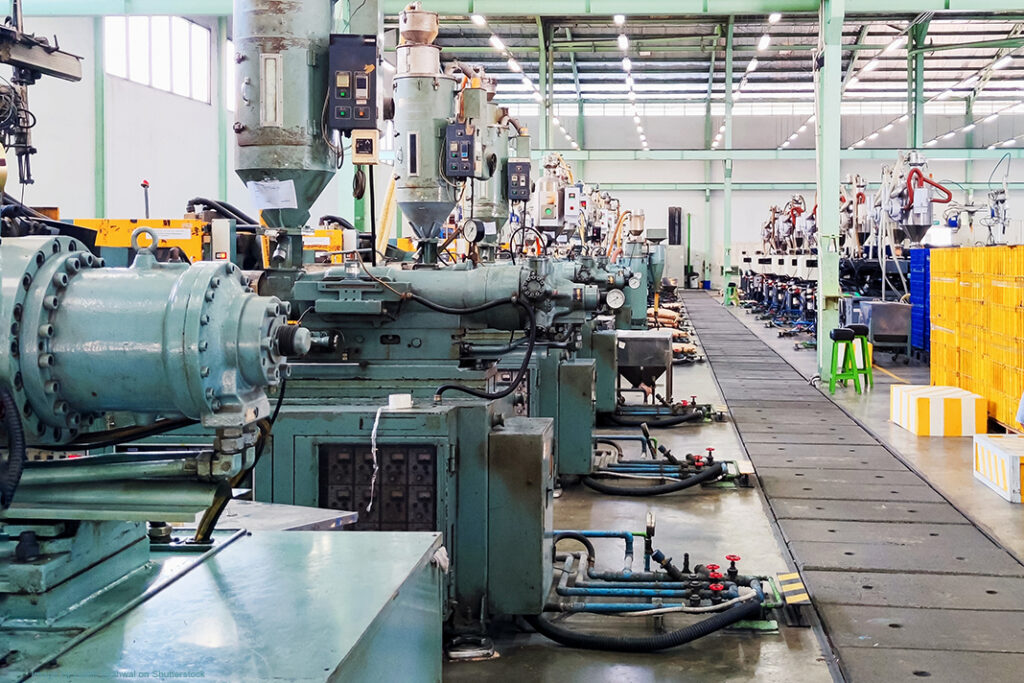
Manufacturers across the United States are operating in one of the most challenging workforce environments the sector has faced in decades. Skilled labor shortages persist, regulatory expectations continue to evolve, and operational demands leave little room for administrative inefficiencies.
The numbers illustrate the scale of the challenge. The Manufacturing Institute estimates that 2.1 million manufacturing jobs could go unfilled by 2030 if workforce trends continue, while most manufacturers say attracting and retaining workers remains their top business concern.
For many companies, these pressures are converging around a single operational challenge: human resources.
Managing the workforce behind modern manufacturing operations has grown significantly more complicated in recent years. Responsibilities that were once handled by small internal teams now involve navigating regulatory compliance, managing workforce documentation, and ensuring employees receive the training and support required to safely operate in complex production environments. Yet many manufacturers continue to operate with lean HR capacity or sometimes no dedicated HR department at all.
As a result, companies are increasingly exploring partnerships with professional employer organizations (PEOs) as a way to strengthen workforce management while maintaining focus on core production goals.
While once viewed primarily as payroll providers, modern PEOs increasingly function as strategic partners that help manufacturers address workforce challenges, manage compliance obligations, and streamline HR operations.
The manufacturing sector continues to face a well-documented shortage of skilled workers. Retirements among experienced employees, competition from other industries, and evolving skill requirements have made recruiting and retaining talent a persistent challenge for manufacturers of all sizes.
When open positions remain unfilled, the impact extends well beyond the HR department. Production schedules become harder to maintain and operational flexibility on the plant floor begins to erode.
HR teams play a critical role in addressing these workforce gaps, but they are often responsible for far more than hiring alone. In many organizations, the same small team coordinating interviews and onboarding new employees is also managing documentation, compliance requirements, and employee support for the existing workforce. When capacity is stretched thin, even routine hiring processes can slow down.
Many manufacturers underestimate how much administrative HR work can slow hiring and workforce development. When HR teams are overwhelmed, even routine processes like onboarding or training coordination can delay bringing new workers onto the production floor.
PEOs can help relieve this pressure by providing additional HR infrastructure and recruiting support. Tools like applicant tracking help streamline job postings, candidate screening, and communication with applicants. Many PEOs also offer digital onboarding software that centralizes paperwork, training tasks, and new‑hire documentation, helping employees get onto the production floor faster. In addition, performance management tools available through PEO platforms help supervisors track employee progress, skill development, and training completion, creating a more structured path for developing talent.
By taking on many of the administrative responsibilities surrounding hiring and onboarding, these partnerships allow internal leaders to concentrate on identifying and developing the talent their operations require.
Manufacturers operate in one of the most heavily regulated environments in the economy. Safety regulations, employment laws, and workforce documentation requirements are continually evolving and maintaining compliance requires consistent attention.
Even small administrative oversights can expose organizations to penalties or regulatory scrutiny. Documentation errors, outdated training records, or inconsistent reporting processes can quickly create risk.
Many manufacturers find it difficult to stay ahead of these requirements while also managing day-to-day operational demands. PEOs help bridge that gap by providing access to HR professionals who specialize in regulatory compliance and workforce administration.
Manufacturers face a unique mix of workforce challenges, from shift scheduling to safety documentation, that require specialized HR expertise. Having the right compliance support in place helps organizations reduce risk while strengthening workforce practices.
With the right systems and guidance in place, including centralized HR technology that maintains trainings records and supports employee performance, companies are better able to maintain accurate records, support workplace safety programs, and respond confidently when regulatory expectations change.
Manufacturing leaders are focused on keeping production lines running efficiently and maintaining product quality. Yet workforce administration can consume a surprising amount of time and attention.
This challenge becomes especially visible in facilities that operate across multiple shifts. Managing payroll accuracy, tracking hours, and maintaining employee records requires careful coordination, particularly when new hires are entering the workforce or training schedules must be updated.
Consider a manufacturer running three production shifts across several departments. HR teams must ensure that timekeeping systems accurately reflect shift structures while also keeping documentation current and supporting the needs of employees across the facility. For small HR teams, these responsibilities can quickly become overwhelming.
PEOs help centralize these functions through integrated HR platforms and administrative support. Instead of juggling multiple systems or processes, manufacturers gain a single framework for managing workforce data and HR operations.
The result is a more streamlined HR function that supports the production floor rather than slowing it down.
Attracting skilled workers has become one of the most pressing challenges facing the manufacturing industry. Compensation remains important, but today’s workforce often evaluates job opportunities based on the overall stability and support offered by an employer.
For smaller and mid-sized manufacturers, offering competitive benefits packages can be difficult. Larger organizations often have greater purchasing power and can provide more comprehensive benefits options.
PEO partnerships help level that playing field. By aggregating employees across multiple client organizations, PEOs are often able to secure benefits packages typically available only to larger companies.
For manufacturers, this expanded access to benefits can strengthen recruitment efforts and improve retention in a highly competitive labor market.
Workplace safety has always been a priority in manufacturing environments, but expectations surrounding safety programs continue to evolve. Companies are increasingly expected to demonstrate consistent training practices and proactive risk management.
PEOs often provide guidance that helps manufacturers strengthen safety programs and develop more structured training initiatives. These efforts not only support regulatory compliance but also contribute to a stronger workplace culture.
When employees feel confident that their workplace prioritizes safety and professional development, engagement and retention often improve.
At its core, the value of a PEO partnership lies in allowing manufacturers to concentrate on what they do best: producing high-quality products and managing complex supply chains.
With administrative HR functions handled through specialized systems and expertise, internal leaders can devote more attention to operational strategy, workforce development, and long-term growth.
In an industry where efficiency and reliability are essential, reducing administrative friction can translate directly into improved performance.
The manufacturing industry is evolving rapidly, shaped by technological advancements, shifting workforce expectations, and an increasingly complex regulatory landscape.
Companies that treat workforce management as a strategic capability rather than a purely administrative function are often better positioned to adapt to these changes.
For many manufacturers, partnering with a PEO offers a practical way to strengthen HR infrastructure without dramatically expanding internal teams. With the right support systems in place, organizations can navigate workforce challenges more effectively while maintaining focus on the operational priorities that drive long-term success.
As labor markets tighten and compliance demands grow, manufacturers that streamline HR operations today will be better prepared to compete tomorrow.

About the Author:
Aimee Despres, SHRM-CP, is Senior Vice President of Client Relations at Vensure Employer Solutions. She works closely with restaurant and hospitality operators to streamline HR operations, strengthen compliance, and build scalable workforce strategies that support long-term growth and operational stability.
Forging the Next 250 Years: Powering the Next Era of American Manufacturing
As manufacturers offer more customization than ever before, managing product complexity has become a critical challenge. Tune in with Dan Joe Barry, Vice President of Product Marketing at Configit, who explores how companies are tackling the growing number of product configurations across engineering, sales, manufacturing, and service. He explains how Configuration Lifecycle Management (CLM) helps organizations maintain a single source of truth for configuration data. The result: fewer errors, faster quoting, and the ability to deliver customized products at scale.
Get In Touch
Google news and SEO compliant, Industry Today’s state-of-the-art digital media platform offers bespoke media campaigns that target key decision makers and buyers to achieve your marketing and promotional goals.

Contribute
Showcase your brand and promote your business to our highly targeted audience. We offer detailed Google Analytics with measurable ROI to assure success. Submit your content for review by our Editorial team who will contact you to discuss the project further.
About Us
Reach Your Targeted Audience and Grow Your Business. Learn more About Industry Today.
Contact Us

© 2026 Industry today. All Rights reserved.