Learn how industrial equipment, compressors, and advanced technologies support reliable energy production and America’s energy future.
As energy demand continues to grow across the United States, industries are under increasing pressure to produce, transport, and manage energy more efficiently. From manufacturing facilities and processing plants to utility operations and renewable energy projects, industrial equipment plays a critical role in keeping essential systems operating safely and reliably.
Modern energy infrastructure depends on a wide range of equipment designed to improve efficiency, support productivity, and meet changing environmental goals. Understanding how these technologies contribute to the energy sector underscores their importance in meeting the nation’s future energy needs.
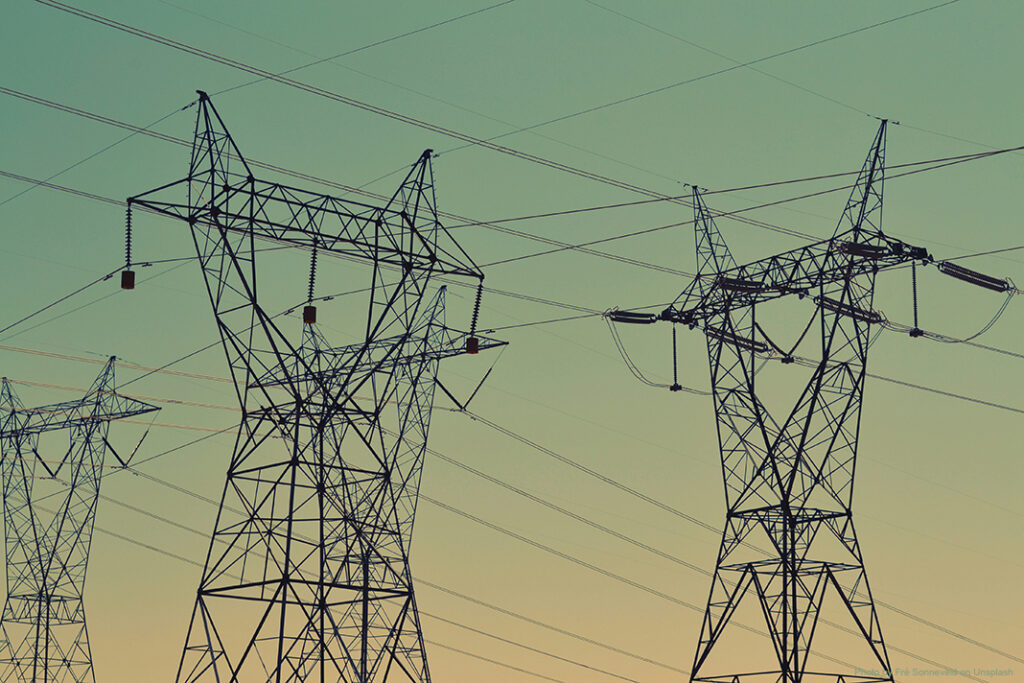
America’s growing demand for electricity requires dependable infrastructure capable of supporting residential, commercial, and industrial users. As population growth, technological advancements, and expanding industries increase electricity consumption, energy providers must continue investing in reliable equipment that supports power generation and distribution.
According to the U.S. Energy Information Administration, power demand was projected to reach 4,165 billion kWh in 2025. This increase emphasizes the need for equipment that can operate efficiently while supporting higher production and distribution requirements.
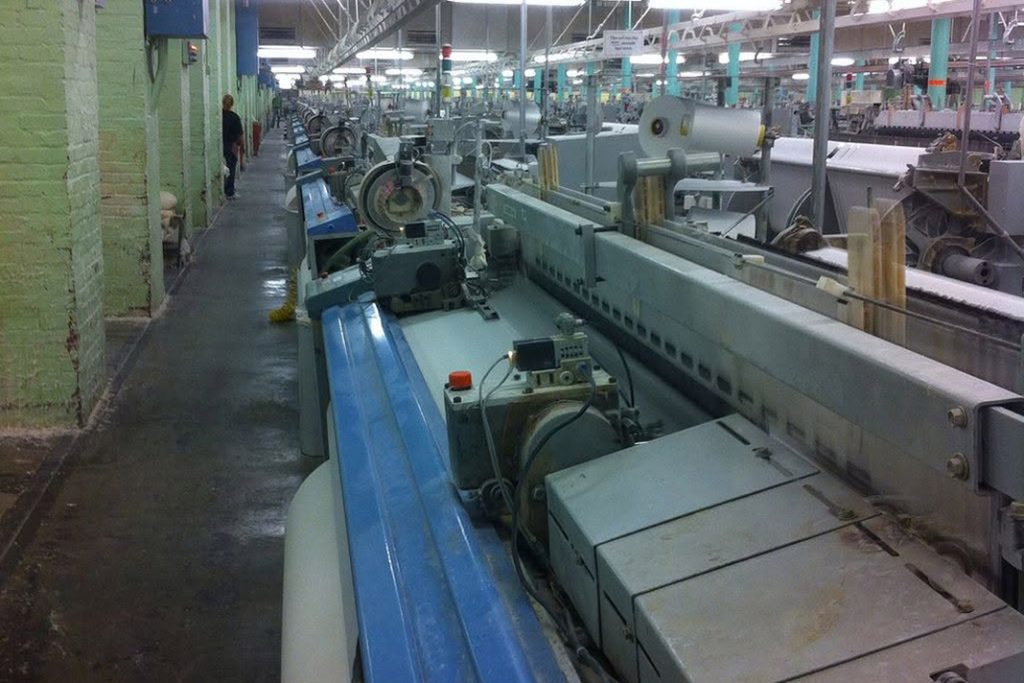
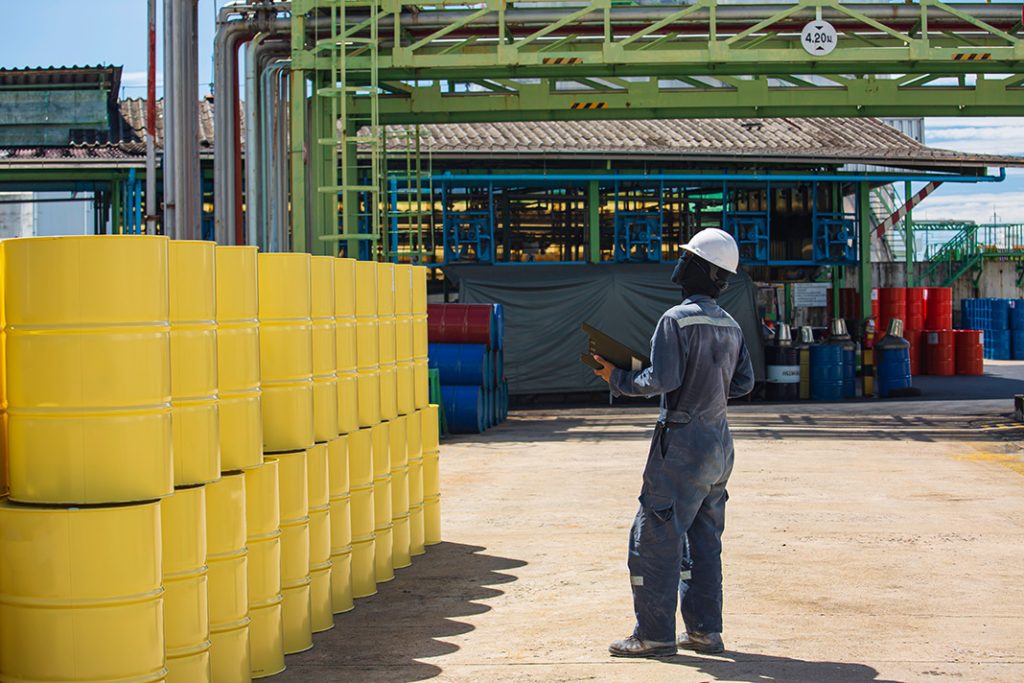
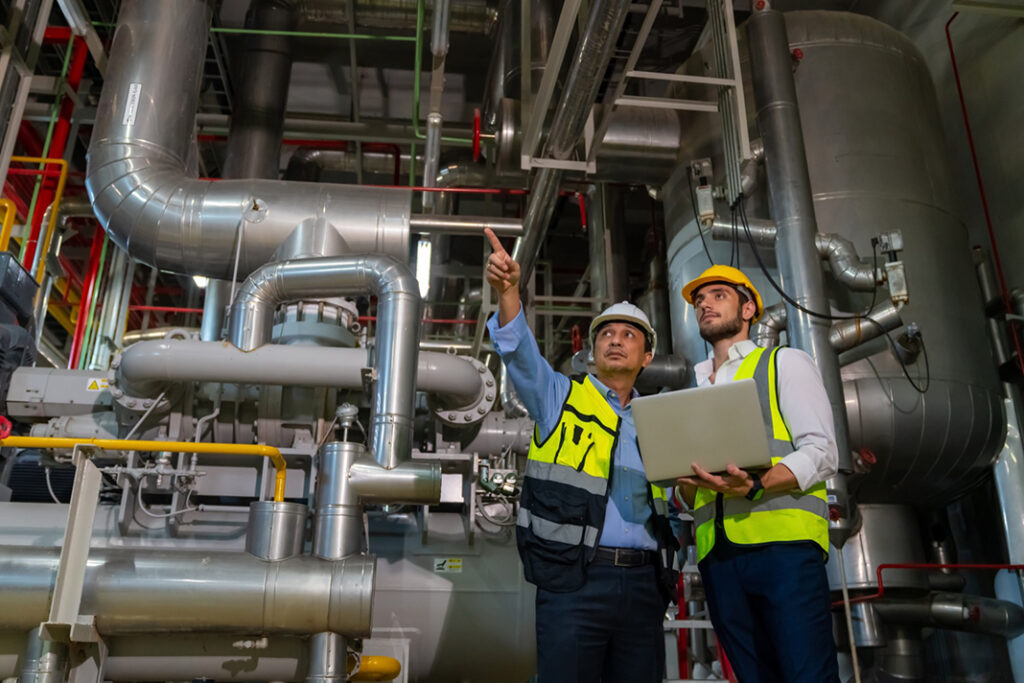
Industrial equipment such as pumps, turbines, generators, compressors, valves, and monitoring systems helps maintain continuous operation throughout the energy supply chain. These components support everything from fuel processing and power generation to transmission and facility maintenance.
As demand continues to grow, equipment reliability becomes increasingly important. Unexpected downtime can interrupt production, increase operating costs, and affect the delivery of energy to businesses and consumers.
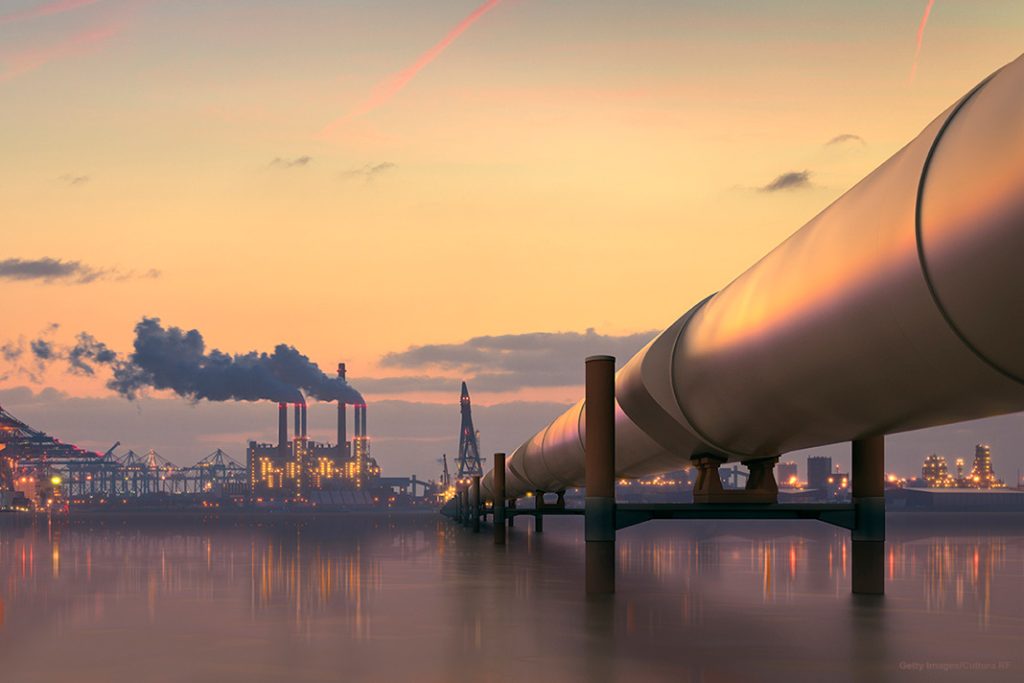
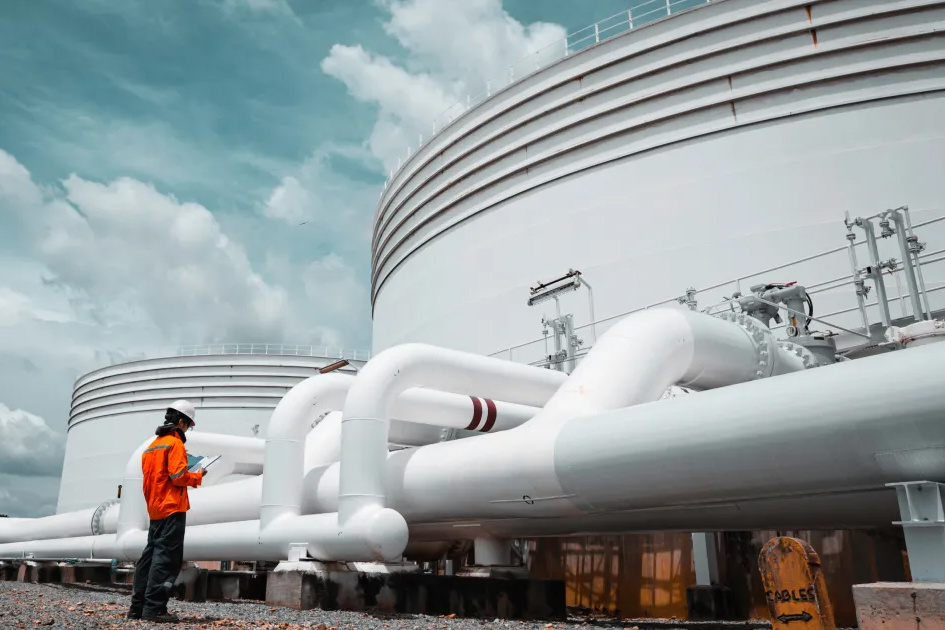
Compressors are among the most important pieces of equipment used throughout the energy industry. They are responsible for moving gases through pipelines, supporting refining operations, assisting natural gas processing, and maintaining pressure in numerous industrial applications.
According to IBISWorld, the market size of air and gas compressor manufacturing in the United States was projected to reach $8.7 billion in 2025. This market growth reflects the continued demand for compressor technology across manufacturing, energy production, and industrial processing.
Modern compressor systems are designed to improve operational efficiency while helping facilities reduce energy consumption and maintain consistent performance. Advances in automation, monitoring technology, and equipment design also help organizations identify maintenance needs before they lead to costly failures.
In addition to supporting traditional energy operations, compressors are increasingly used in renewable energy applications, hydrogen production, carbon capture systems, and other emerging technologies that require reliable gas movement and pressure control.
As businesses work to reduce environmental impacts, cleaner fuel options have become an important part of many energy strategies. Industrial equipment helps produce, transport, store, and distribute these fuels while supporting safe and efficient operations throughout the supply chain.
According to the IRFA, biodiesel decreases greenhouse gas emissions by up to 86%. This demonstrates how alternative fuels can contribute to lower emissions while continuing to meet transportation and industrial energy needs.
Producing and distributing biodiesel requires a variety of industrial systems, including storage tanks, pumps, filtration equipment, compressors, and processing machinery. Reliable equipment helps maintain product quality, supports efficient production, and allows facilities to operate consistently.
As interest in lower-emission energy solutions continues to grow, industrial equipment manufacturers will remain an important part of the development and support of technologies that improve sustainability across multiple industries.
The energy industry continues to evolve as organizations seek greater efficiency, reliability, and environmental responsibility. Industrial equipment will remain a key part of this transition by supporting both traditional energy infrastructure and emerging technologies.
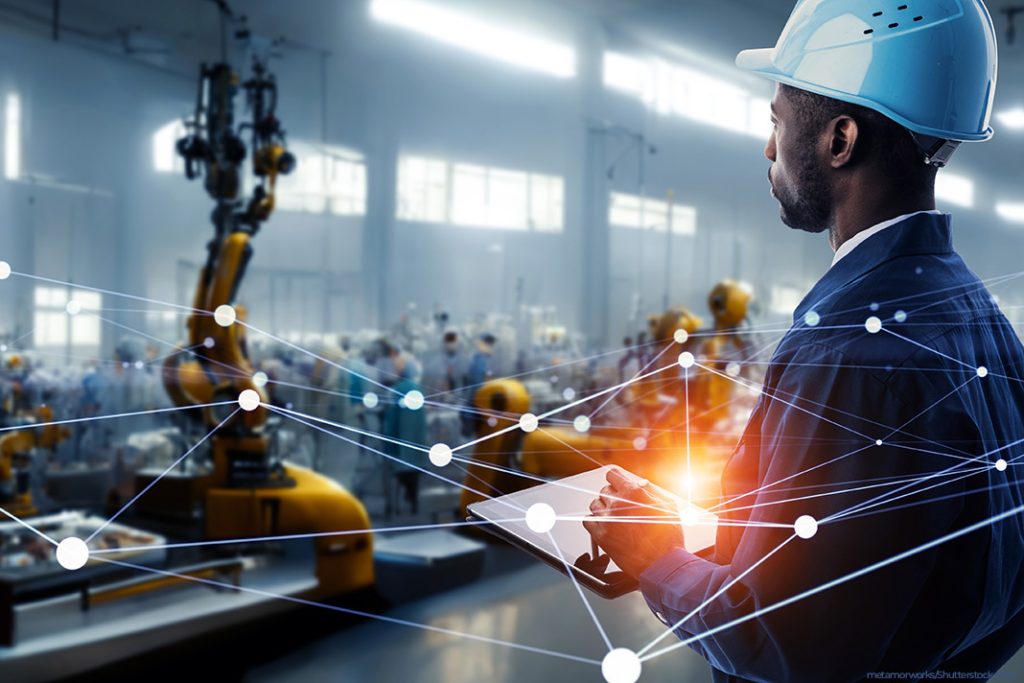
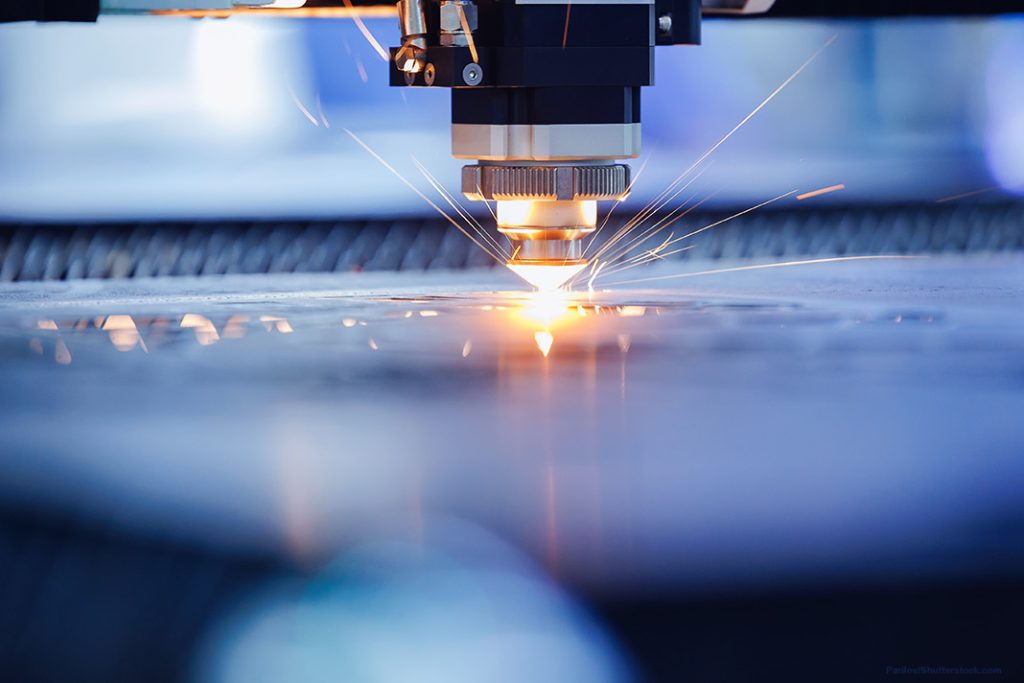
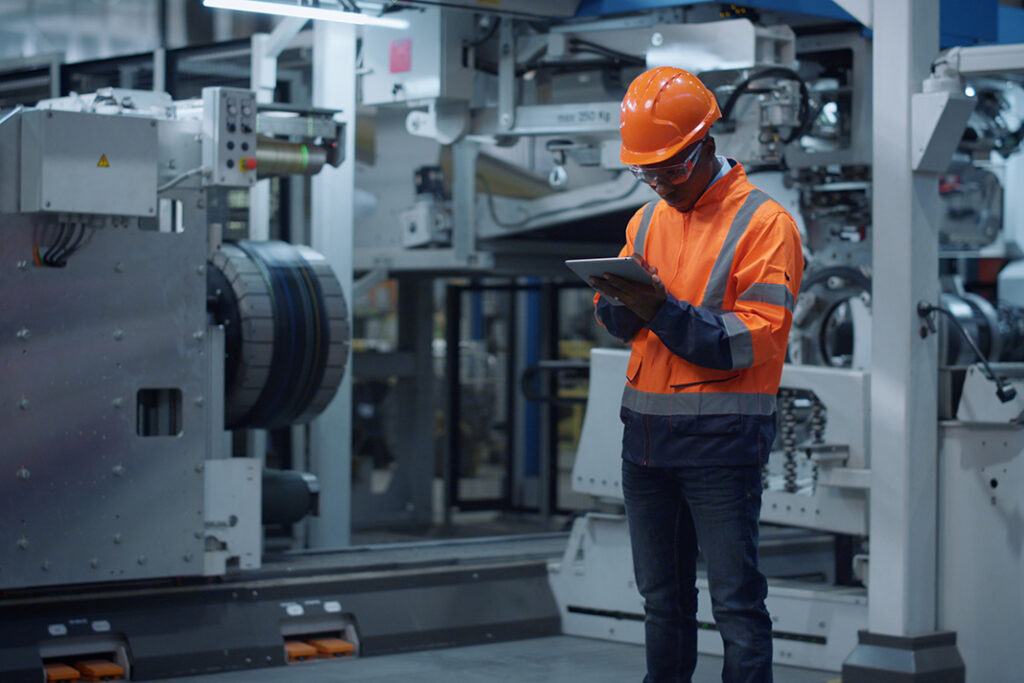
Investments in equipment modernization can improve operational performance, reduce maintenance costs, and increase system reliability. Technologies such as predictive maintenance, digital monitoring, automation, and energy-efficient components help facilities optimize operations while adapting to changing industry demands.
As energy production becomes more diverse, facilities will require equipment capable of supporting multiple fuel sources, advanced manufacturing processes, and expanding infrastructure. Organizations that prioritize dependable equipment and proactive maintenance will be better positioned to meet future operational requirements.
Industrial equipment serves as the foundation of America’s energy infrastructure by supporting power generation, fuel processing, transportation, and facility operations. As electricity demand continues to grow and cleaner energy technologies gain momentum, reliable equipment will remain essential for maintaining efficient and dependable energy systems.
From compressors that support critical industrial processes to equipment used in biodiesel production and power generation, these technologies help industries respond to changing energy needs. Continued investment in modern industrial equipment will play an important role in supporting a more efficient, reliable, and sustainable energy future.

Forging the Next 250 Years: Powering the Next Era of American Manufacturing
As manufacturers offer more customization than ever before, managing product complexity has become a critical challenge. Tune in with Dan Joe Barry, Vice President of Product Marketing at Configit, who explores how companies are tackling the growing number of product configurations across engineering, sales, manufacturing, and service. He explains how Configuration Lifecycle Management (CLM) helps organizations maintain a single source of truth for configuration data. The result: fewer errors, faster quoting, and the ability to deliver customized products at scale.
Get In Touch
Google news and SEO compliant, Industry Today’s state-of-the-art digital media platform offers bespoke media campaigns that target key decision makers and buyers to achieve your marketing and promotional goals.

Contribute
Showcase your brand and promote your business to our highly targeted audience. We offer detailed Google Analytics with measurable ROI to assure success. Submit your content for review by our Editorial team who will contact you to discuss the project further.
About Us
Reach Your Targeted Audience and Grow Your Business. Learn more About Industry Today.
Contact Us

© 2026 Industry today. All Rights reserved.