A review of how growing companies can simplify international transactions.
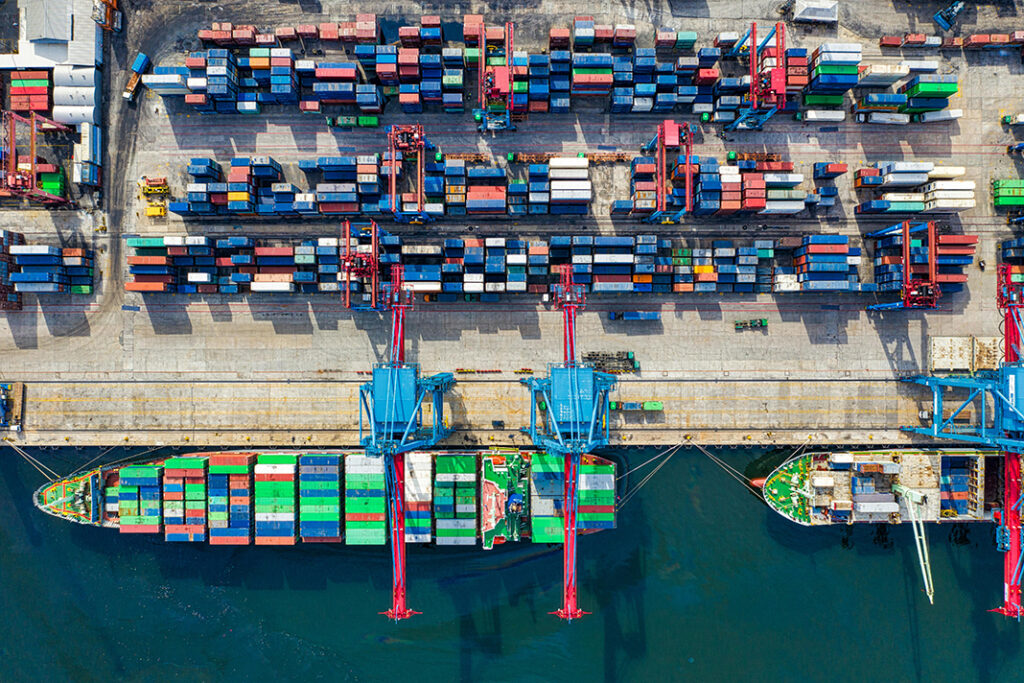
It is no longer possible for a business to remain national, let alone regional. We live in an irrevocably connected world, a world in which we have been opened-up to international communication, commerce and trade. Being a business makes engaging with this global market impossible to avoid – and it’s for the best. Not only does it democratise access to a world of goods and assets, but it also democratises access to the best of them, at the best price. And it makes the possibility of international entrepreneurialism more tantalising than ever.
Of course, expanding into new international markets is not an easy thing to do, even with this seamless global trade network. There are various hurdles in place that make establishing new lines of enquiry and trade difficult, particularly where new territories, currencies and legal concerns become apparent. Rather than turning away from these challenges, let’s turn into them – with an examination of you, as a growing company can simplify international transactions to make expanding into new markets easier.
The reasons for the growing complexity of business transactions as a business expands into new international territories are, broadly, self-evident. But a surface-level understanding of them does not help a business with learning to solve them. Expanding into new markets introduces your business to the necessity of transacting in multiple currencies, not to mention building relationships with different banking services that reach into specific regions.
Meanwhile, regulatory requirements dictate the manner in which payments may be made, as well as the manner in which wider trade can be undertaken. These difficulties compound as transaction volumes increase, making for an exponentially more difficult process – at least, without the proper processes to hand.
These are challenges enough for businesses, but can beget challenges of their own. When international transactions rely on the interconnection of different financial systems, delays can present. The delays are costly in and of themselves, but especially so when fluctuating currency exchange rates can shave value off a transaction.
These challenges are compounded further when manual payment processes take time and rob precious man-hours from a business – all of which has a knock-on effect on the efficiency, cash flow and broader profitability of your business.
The trick, then, is to make moving money between territories as simple as possible. This is possible with cross border payments platforms, which enable the oversight and automation of financial tasks alongside the streamlined payment of money between nations. Such platforms enable a broader streamlining of financial operations, and better transaction visibility – which can be a boon for finance departments and tax auditing.
Indeed, visibility is a powerful thing when it comes to international transactions. That oversight enables the monitoring of transactions, the tracking of associated costs, and the making of informed financial decisions in the medium- and long-term relating to international trade and commerce. For growing companies, this level of control can also make it easier to identify payment bottlenecks, compare the true cost of different routes and currencies, and forecast cash flow with greater confidence. Rather than treating international payments as isolated transactions, businesses can use clearer reporting to understand how money moves across markets, where costs are being incurred, and where processes can be improved. With this information freely at hand, you have the keys to international profitability.

Forging the Next 250 Years: Powering the Next Era of American Manufacturing
As manufacturers offer more customization than ever before, managing product complexity has become a critical challenge. Tune in with Dan Joe Barry, Vice President of Product Marketing at Configit, who explores how companies are tackling the growing number of product configurations across engineering, sales, manufacturing, and service. He explains how Configuration Lifecycle Management (CLM) helps organizations maintain a single source of truth for configuration data. The result: fewer errors, faster quoting, and the ability to deliver customized products at scale.
Get In Touch
Google news and SEO compliant, Industry Today’s state-of-the-art digital media platform offers bespoke media campaigns that target key decision makers and buyers to achieve your marketing and promotional goals.

Contribute
Showcase your brand and promote your business to our highly targeted audience. We offer detailed Google Analytics with measurable ROI to assure success. Submit your content for review by our Editorial team who will contact you to discuss the project further.
About Us
Reach Your Targeted Audience and Grow Your Business. Learn more About Industry Today.
Contact Us

© 2026 Industry today. All Rights reserved.