Applying production line thinking to the QC lab.
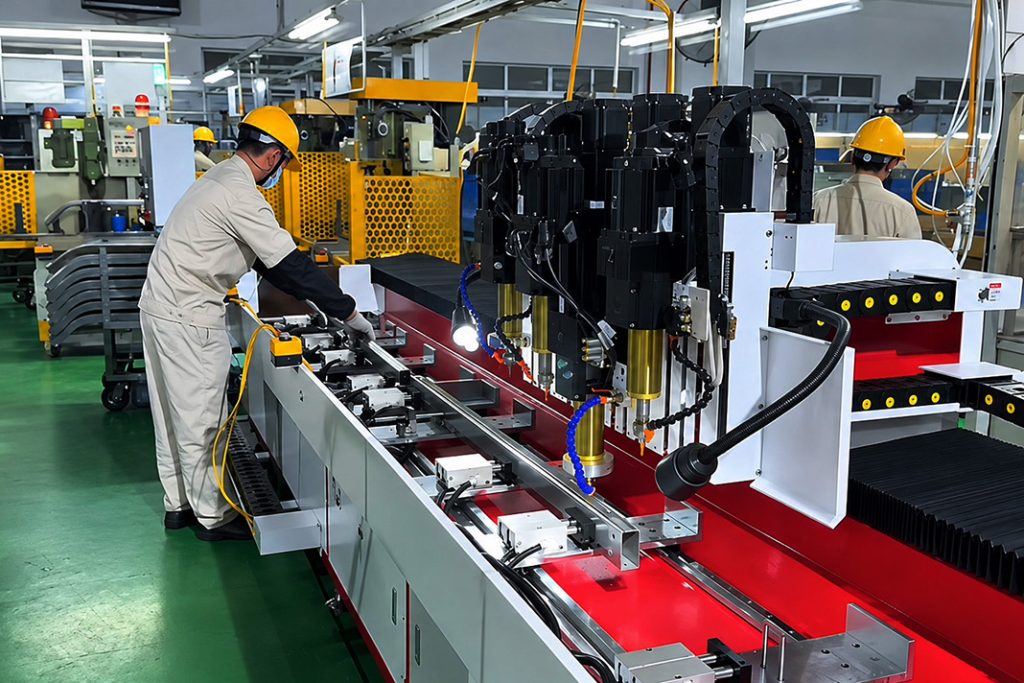
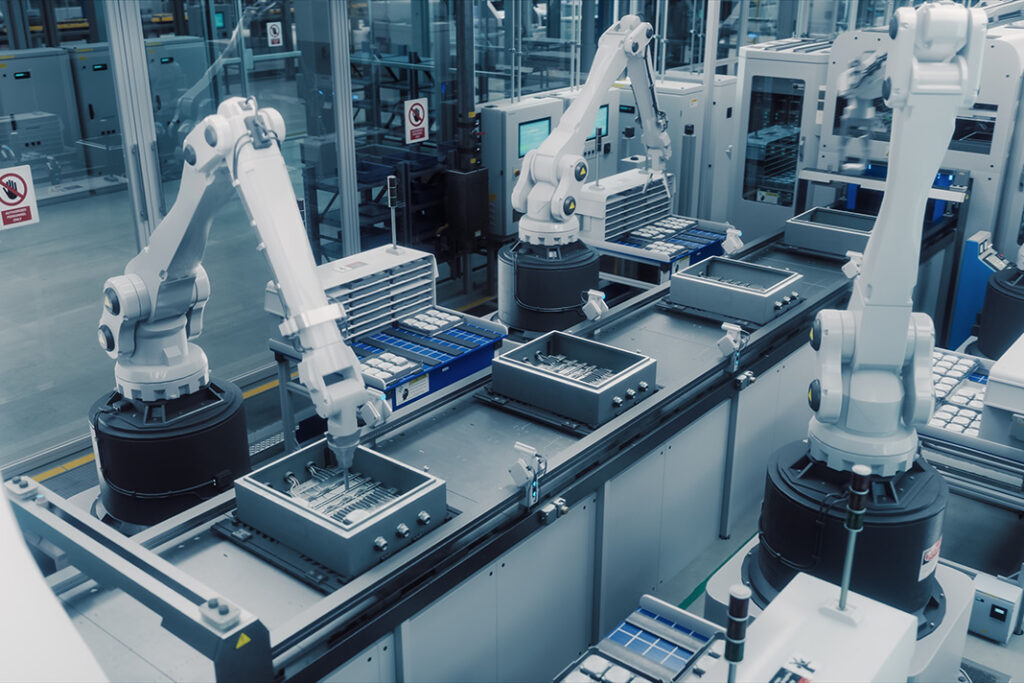
Manufacturing has relied on automation for a long time. Robotic cells, conveyor systems and machine vision are widely used on production lines, doing and checking repetitive work to a set standard.
The lab can look a little different. Plenty of laboratory workflows still include manual pipetting, and that matters, because quality control results feed into decisions like batch release and contamination investigations. Laboratory automation brings the production line’s core idea into the lab. Define the repetitive process. Then let a machine follow the same programmed steps on every run.
Sample preparation for microbial testing, assays or stability studies can mean a long series of repetitive liquid transfers. Done by hand, each of those transfers depends on the person holding the pipette. Two skilled operators won’t always pipette exactly alike, and those small differences can show up as variability in the results.
When results feed into batch release, that’s not a minor detail. Inconsistent sample preparation can turn into a quality risk. A repeat test means more instrument time and more reagents, and it can leave a release waiting while results are confirmed.
A lot of lab protocols come down to moving measured volumes of liquid between tubes, plates and reservoirs. Pipetting, dispensing, mixing, serial dilution, reagent addition. In a single run, those steps may be repeated across many samples.
A liquid handling robot takes over those transfers and works from programmed protocols. The instrument, not the operator’s hand, controls aspiration, dispensing and positioning, so every sample goes through the same defined steps. Save the protocol and you can run it again later, which helps a method stay consistent between runs and between operators.
Manufacturers will recognise the logic. It’s much like a robotic work cell: define the process, program it, let the machine repeat it. Operators typically set up the run, keep an eye on it and review the output.
Size varies. Larger high-throughput platforms are built for labs handling high sample volumes, while compact benchtop units suit labs that are short on bench space. Some compact models can even fit inside certain biosafety cabinets.
Good candidates for automation tend to share at least one trait. The work is repetitive, the volume is high, or small volume errors affect the result.
Food pathogen testing is one example. PCR-based methods are used here, and they need consistent reaction setup, since a contaminated or poorly prepared reaction can give an unreliable result. In pharmaceutical and biotech manufacturing, quality control testing relies on reproducible sample and assay preparation. Chemical and materials labs, meanwhile, prepare calibration standards and serial dilutions, where a small volume error can throw off accuracy.
Speed isn’t the headline in any of these. Consistency is. Reducing the variability between operators and teams can have more confidence in the results they report.
Contamination is worth a closer look. Any liquid transfer, manual or automated, is a potential source, whether through aerosols, contact with surfaces or carryover from one sample to the next. Automated systems can cut down direct handling of open samples, and some also include HEPA filtration and UV decontamination. Where the protocol calls for it, a fresh tip for each sample helps limit carryover.
Several principles from production automation carry across to laboratory automation.
Standardise first. If a process is poorly defined, automating it simply reproduces the same problems, only more consistently. Review each protocol before it goes anywhere near an instrument, and confirm the volumes, the sequence and the quality checks.
Then start with the bottleneck rather than trying to automate everything at once. Which workflow takes up the most technician time? Which one leads to the most repeat testing? That’s a sensible place to begin.
Think about throughput, too. Look at today’s sample volumes and where they’re expected to go. A system sized only for current demand may need to be replaced or supplemented as volumes grow. While you’re at it, check labware compatibility and how the system will work with existing equipment.
In accredited and regulated labs, traceability isn’t optional. ISO/IEC 17025:2017 requires technical records to include the date and the identity of the personnel responsible for each laboratory activity. Good Manufacturing Practice (GMP) regulations also set documentation requirements for manufacturers in regulated industries. Software that logs protocol runs can support this record-keeping. It doesn’t remove the need for validation, though. An automated system used in a regulated environment is typically expected to be validated for its intended use.
Training and performance checks round things out. Dispensed volumes can be verified periodically using gravimetric or photometric methods, much as production equipment gets routine inspection and maintenance.
Automated liquid handling can reduce variability. It still depends on sound methods, suitable consumables and regular maintenance, though, and it’s no substitute for a well-defined, documented process.
In regulated manufacturing, quality control testing supports batch release decisions. That’s a good reason to bring the process discipline of the production line into the lab. Start small: map one routine protocol, count the manual transfers in it and ask whether that workflow is a good candidate for automation.

Forging the Next 250 Years: Powering the Next Era of American Manufacturing
As manufacturers offer more customization than ever before, managing product complexity has become a critical challenge. Tune in with Dan Joe Barry, Vice President of Product Marketing at Configit, who explores how companies are tackling the growing number of product configurations across engineering, sales, manufacturing, and service. He explains how Configuration Lifecycle Management (CLM) helps organizations maintain a single source of truth for configuration data. The result: fewer errors, faster quoting, and the ability to deliver customized products at scale.
Get In Touch
Google news and SEO compliant, Industry Today’s state-of-the-art digital media platform offers bespoke media campaigns that target key decision makers and buyers to achieve your marketing and promotional goals.

Contribute
Showcase your brand and promote your business to our highly targeted audience. We offer detailed Google Analytics with measurable ROI to assure success. Submit your content for review by our Editorial team who will contact you to discuss the project further.
About Us
Reach Your Targeted Audience and Grow Your Business. Learn more About Industry Today.
Contact Us

© 2026 Industry today. All Rights reserved.